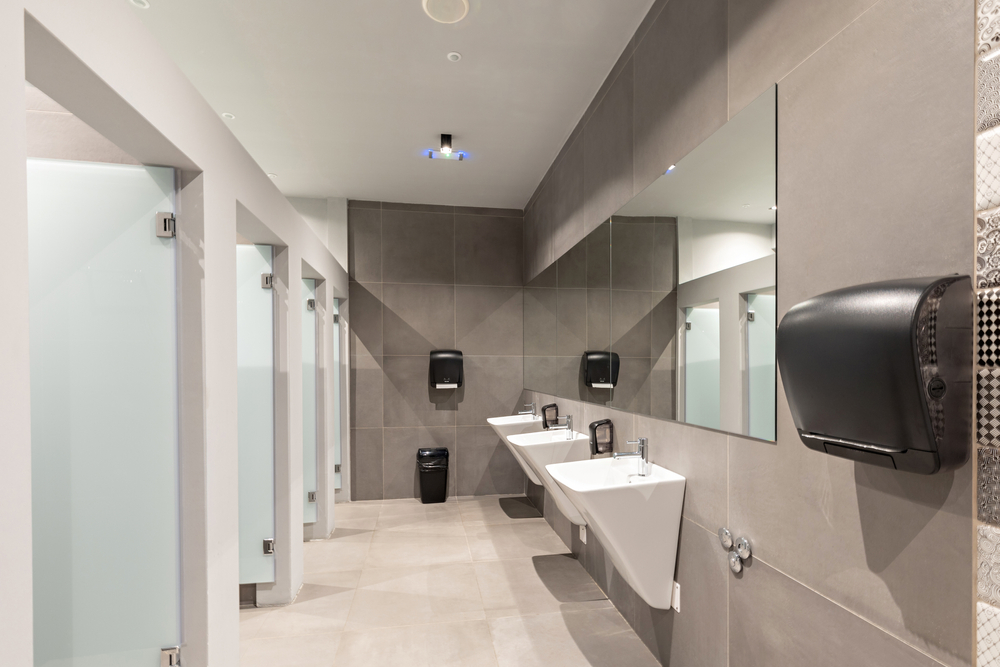
Commercial bathrooms experience heavy use every day.
In offices, shopping centres, hospitality venues and medical facilities, these spaces must stay functional, hygienic and compliant with health standards. Over time, wear and tear, outdated fittings and water damage make upgrades necessary. Commercial bathroom renovations improve safety and appearance, but also create significant waste challenges.
Effective renovation waste removal plays a central role in keeping projects on schedule and worksites safe. From broken tiles to old plumbing fixtures and moisture damaged materials, bathroom upgrades produce a complex mix of debris that requires organised handling.
At Sydney City Rubbish, our expert team of renovation and demolition waste removalists support businesses across the CBD and surrounding areas. We provide professional, tailored junk removal services tailored to commercial projects, helping sites remain clear and compliant throughout the renovation process.
Understanding the waste generated in commercial bathroom renovations
Bathroom upgrades involve more than replacing a few fittings. Commercial bathroom demolition often strips the space back to its structural elements. Contractors remove wall and floor tiles, partitions, basins, toilets, pipework and cabinetry. Waterproofing layers, adhesives and sealants also come out during this phase.
This process generates large volumes of bathroom renovation waste. Materials are typically heavy, sharp and awkward to handle. Ceramic and porcelain tiles break into jagged fragments. Old fixtures made from metal or composite materials add bulk. Packaging from new products and leftover installation materials further increase the load.
Without a structured plan for renovation waste removal, debris can quickly build up. Cluttered work areas slow tradespeople down and raise the risk of trips, cuts and other injuries. Regular, organised collection keeps the site manageable and allows work to progress smoothly.
Tiles, concrete and masonry debris
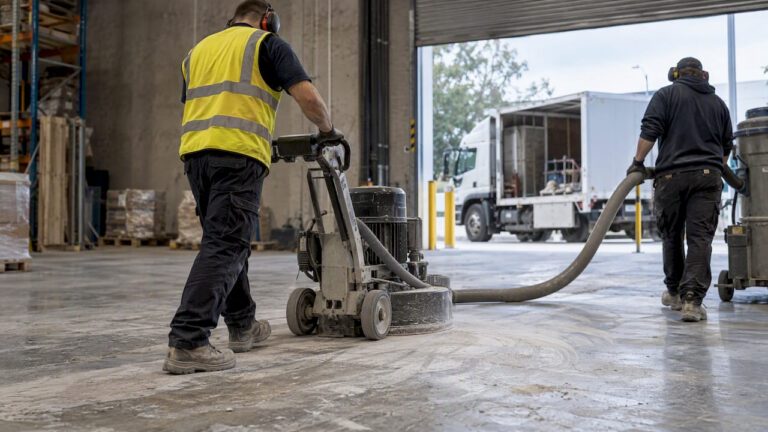
Tiles form one of the most visible waste streams during bathroom upgrades. Floors and walls in commercial settings often use durable materials such as ceramic, porcelain or stone. Removing them during commercial bathroom demolition creates a large amount of dense rubble.
This type of bathroom renovation waste can be difficult to move without the right equipment. Small fragments scatter easily, creating slip hazards, while larger pieces are heavy and awkward. Combining tile debris with other materials also makes recycling more complicated.
Professional renovation waste removal services help manage this load efficiently. By using appropriate bins and timely pickups, contractors keep pathways clear and reduce manual handling risks. In many cases, masonry materials can move into recovery streams rather than landfill, supporting more responsible waste outcomes.
Fixtures, fittings and bulky items
Beyond tiles, bathroom upgrades involve removing toilets, urinals, basins, tapware, mirrors and partitions. These items contribute to bathroom renovation rubbish removal needs because they take up significant space and often require careful lifting.
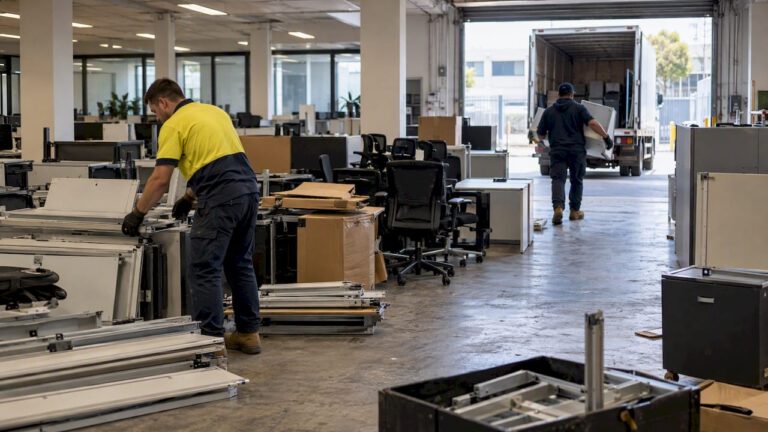
Metal components may have recycling value, but only when separated and handled correctly. Mixed loads of ceramic, plastic and metal can become harder to process. During commercial bathroom renovations, contractors already juggle tight schedules and multiple trades. Partnering with a provider that specialises in bathroom renovation junk collection helps ensure bulky items leave the site promptly.
Keeping these items out of walkways improves safety and allows new fixtures to arrive without congestion. It also reduces the chance of damage to new materials, which often arrive on site before demolition finishes.
Dealing with mould and water damaged materials
Bathrooms present unique challenges due to moisture. Leaks, poor ventilation or failed waterproofing can lead to mould growth behind walls or under floors. When discovered during commercial bathroom demolition, these materials require careful handling.
Mouldy plasterboard, insulation and timber form part of bathroom renovation waste, but they also present health risks. Workers must avoid spreading spores through the building. Containing, bagging and removing affected materials quickly is essential.
Reliable renovation waste removal supports this process. Fast collection reduces the time contaminated materials remain on site. Proper transport and disposal help maintain hygiene standards, which is especially important in commercial environments such as healthcare or hospitality.
Keeping worksites safe and compliant
Safety remains a priority during any renovation. Sharp fragments, exposed nails and heavy debris increase injury risks. Regular bathroom renovation rubbish removal reduces these hazards and helps businesses meet workplace safety obligations.
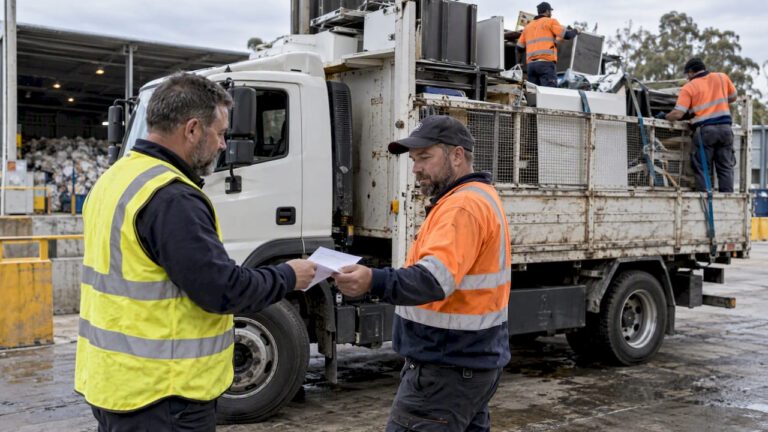
Clear waste management practices also support environmental compliance. Construction and renovation projects must handle waste responsibly and use licensed carriers. Choosing a professional service for renovation waste removal helps businesses demonstrate that they manage materials properly from site to disposal facility.
In busy CBD locations, space constraints make this even more important. Limited storage areas mean waste must move off site efficiently to avoid obstructing public areas or shared building access points.
Scheduling collections around commercial operations
Many commercial bathroom renovations take place in occupied buildings. Offices, shops and venues often remain open during works, with renovations scheduled in stages to minimise disruption. Waste removal must fit around these operational needs.
Flexible bathroom renovation junk collection services allow pickups outside peak hours or at agreed times that avoid customer traffic. Regular collections prevent odours, dust and visual clutter from affecting staff or visitors.
Sydney City Rubbish works with commercial clients to coordinate renovation waste removal around project timelines. This planning helps maintain a professional environment while renovation works proceed behind the scenes.
Environmental responsibility in renovation projects
Sustainability expectations now extend to renovation works. Businesses aim to reduce landfill use and recover materials where possible. Proper sorting during bathroom renovation rubbish removal makes a difference.
Masonry, metals and certain plastics from bathroom renovation waste can enter recycling streams when separated correctly. Packaging from new fixtures can also be diverted from general waste. These practices support broader environmental goals and demonstrate responsible project management.
By working with experienced providers, businesses ensure that renovation waste removal aligns with both operational and environmental priorities. This approach enhances brand reputation, especially for organisations that promote sustainable values.
Supporting project efficiency and timelines
Renovation projects rely on tight coordination. Delays in waste removal can slow progress, block access and create rework. Overflowing bins may force trades to stop while space is cleared.
Consistent bathroom renovation junk collection keeps materials moving and work areas accessible. Contractors can focus on installation rather than managing debris. Clear spaces also allow easier inspection and quality control during different stages of the project.
Sydney City Rubbish provides dependable services for bathroom renovation rubbish removal, helping projects stay on track. By removing waste promptly, the team supports smoother workflows and reduces unnecessary downtime.
Choosing the right partner for renovation waste removal
Commercial projects require more than a basic skip hire. They need responsive service, knowledge of different waste types and an understanding of site safety. A provider experienced in renovation waste removal can adapt to changing volumes and unexpected discoveries, such as additional water damage or hidden materials uncovered during demolition.
At Sydney City Rubbish, our expert team specialises in commercial environments across the CBD and surrounding suburbs. The team supports commercial bathroom renovations with organised pickups, safe handling and compliant disposal. From heavy tile debris to mould affected materials, they manage the full range of bathroom renovation waste.