Office Chair Recycling in Sydney: A Business Guide
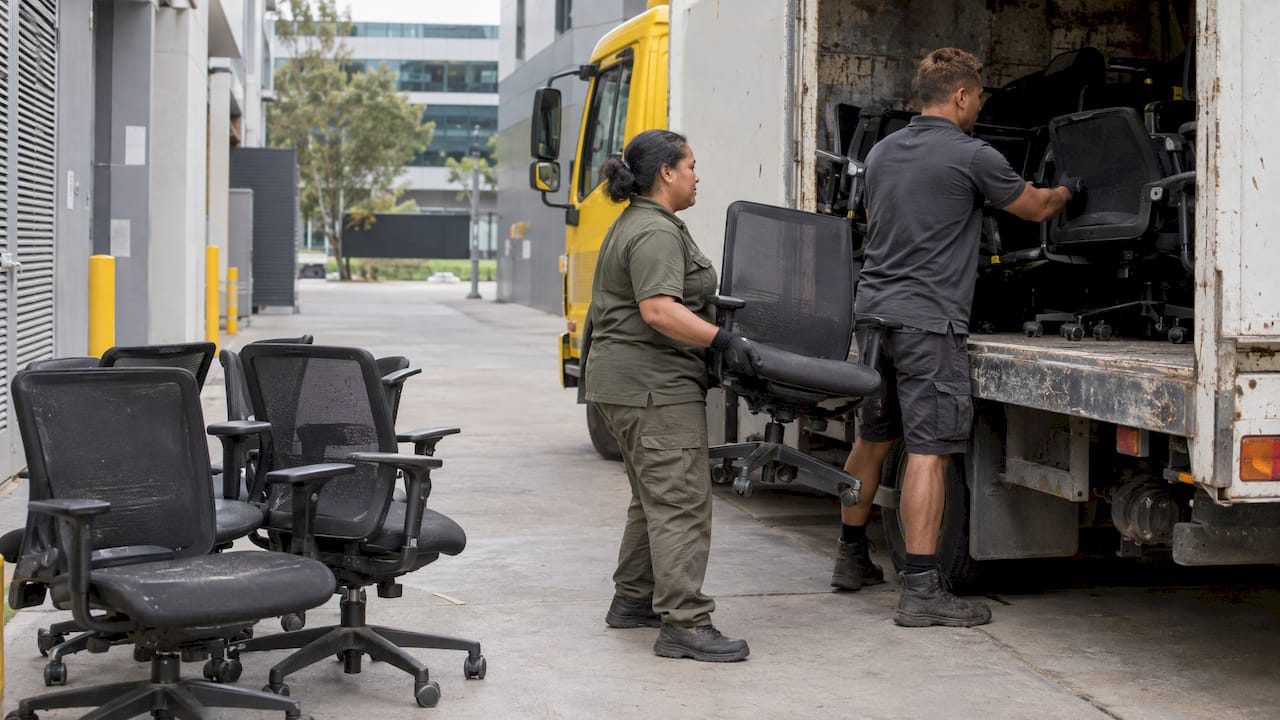
The best route for old office chairs in Sydney is to sort them by condition, send sound chairs on to reuse, and send the rest to recycling through one commercial collection. Council doorstep services are built for households, so a floor of chairs rarely fits them. A single booked clear-out also handles access, loading and disposal in one visit. At Sydney City Rubbish we collect office furniture from offices, retail sites, strata buildings and end-of-lease premises across Sydney, and this guide sets out the decisions in the order you will face them.
TL;DR
- Sort chairs into two groups first: those that still adjust and carry weight (reuse or donate) and those that are broken (recycle).
- City of Sydney’s doorstep recycling does not accept desk chairs or business waste, so commercial quantities need a commercial collection.
- Metal frames and bases are the easiest parts to recycle. Foam and fabric are harder, so expect a mixed result.
- An inventory by floor, plus a note of lifts, loading docks and building rules, prevents most collection-day problems.
- For a whole floor or an end-of-lease handover, one booked collection with building management coordination is usually the simplest route.
Table of Contents
- Why an old office chair is harder to dispose of than it looks
- Step one: sort by condition before you choose a route
- What can be recovered from an office chair
- Why council services rarely fit a business
- Preparing the clear-out: inventory and access
- Reuse, resale and donation: the channels by type
- End-of-lease clear-outs: where chair disposal becomes urgent
- How we remove office chairs and furniture
- Choosing how to clear a large number of chairs
- FAQ
- Sources
Why an old office chair is harder to dispose of than it looks
An office chair is a composite product. A typical task chair combines a steel or aluminium base, a gas cylinder, a plastic shell, foam padding and fabric or mesh. Each material has a different destination, and a chair thrown into general waste carries all of them to landfill together.
For a business the problem multiplies. One chair is a minor job. Forty chairs from a floor you are vacating, plus desks, filing cabinets and screens, is a logistics task with a deadline, usually set by a lease or a fit-out schedule. Ergoprise, a furniture supplier, frames a surplus of 20 or more chairs as a procurement project rather than a casual tidy-up, because mistakes cost money and create legal exposure. That framing suits Sydney offices well: treat the clear-out as a planned job with a start date, an owner and a destination for every item.
Step one: sort by condition before you choose a route
The waste hierarchy puts reuse ahead of recycling, and local government guidance is consistent on it. Logan City Council’s office waste guide in Queensland orders options from avoid and reduce through reuse, repair and resale before recycling. The ACT’s official Recyclopaedia says the same of office furniture: if it is in good condition it is best to reuse it, by giving it away, donating it or selling it.
In practice, walk the floor and place each chair in one of three groups.
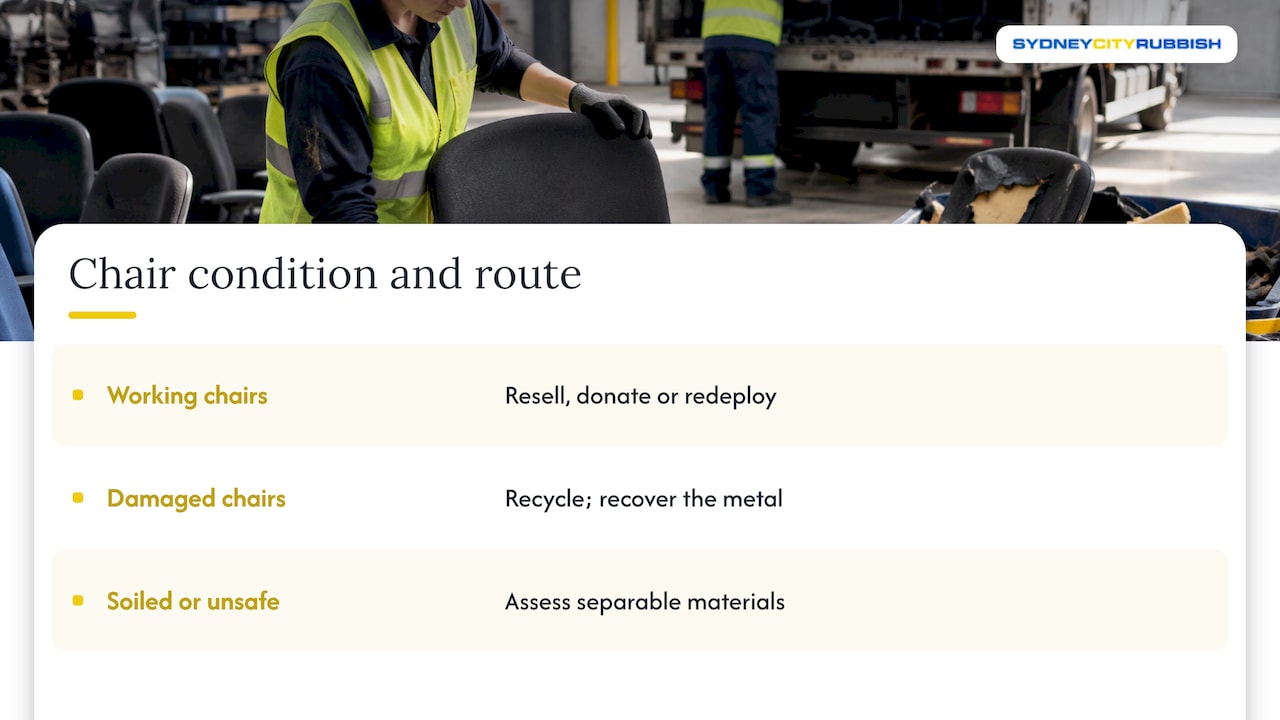
The first group is chairs that still adjust, hold their height and carry weight. Ergoprise describes this as donation-grade. These can be resold, donated or redeployed to another site.
The second group is chairs with a failed gas cylinder, a cracked base or torn mesh. The same guide calls these recycle-grade. They are not worth repairing in volume, and their metal can be recovered.
The third group is chairs that are soiled, water-damaged or unsafe. These are not suitable for donation, and the recycling outcome depends on what can be separated.
Photograph a sample from each group. The photos help whoever takes the chairs, whether that is a charity, a buyer or a collection crew, give you a fast and accurate answer.
What can be recovered from an office chair
Metal is the clear win. The ACT guidance notes that office furniture is made from metals, plastics and woods, and that items made predominantly of metal can be dropped free at its transfer stations. RecyclingWorks Massachusetts, a professional waste-reduction programme, makes a similar point: metal furniture is the easiest to recycle, while most wood furniture is not because of stains or adhesives.
For chairs, this means the steel or aluminium frame, base and cylinder housing are the parts most likely to be recovered. Foam padding bonded to fabric is the hardest part to process. A realistic expectation is that a recycled chair is largely a metal recovery job with the remaining components handled as responsibly as the available channels allow. This is why we use registered recycling partners for the furniture we collect: the outcome depends on where the material ends up, not only on who picks it up.
That is also the reason reuse comes first. A chair that is resold or donated keeps every component in service.
Why council services rarely fit a business
Many first searches end at a council page, and for a business it is usually a dead end.
The City of Sydney’s doorstep recycling service is a good example. It takes only small furniture in great condition that one person can lift, up to three items per collection and only if assembled. It explicitly excludes desks, desk chairs and single dining chairs, and it does not accept business or commercial waste. Items must also be out before 7am on the scheduled day.
Other councils set the principle in different words. City of Wellington in Victoria lists donation as the preferred route for office furniture and says it cannot go in recycling or organics bins. Anything else goes to a transfer station or landfill where charges apply. Willoughby Council in Sydney’s north offers a clean-up collection for office furniture but suggests repairing, selling, giving away or donating first. Those services are written for residents. Commercial tenants, strata managers and property managers generally need a different channel.
There is a compliance side as well. The Commonwealth’s Recycling and Waste Reduction Act 2020 aims to build a circular economy that maximises the continued use of products and waste material across their life cycle. The direction of policy favours documented reuse and recovery over dumping, and it is a sensible standard to apply to corporate furniture.
One warning applies everywhere. Leaving chairs outside a charity shop or on a nature strip is treated as illegal dumping. The ACT guidance states that fines will result, and councils across Sydney take the same view. Never leave furniture at a building’s loading dock or footpath without an arranged collection.
Preparing the clear-out: inventory and access
Most delays on collection day come from information nobody collected beforehand. RecyclingWorks Massachusetts advises building an inventory by location that records item type, quantity, quality, condition, dimensions, materials, make or model and photos, and noting loading docks, truck parking and lifts. It also says planning for surplus should start before replacement furniture is bought.
A workable Sydney version of that inventory is a simple spreadsheet with one row per item group and one tab per floor. Record the number of chairs, whether they are task chairs, meeting chairs or stools, and which group they fall into from the sorting step. Add desks, pedestals, screens and shelving, because the cheapest time to arrange their removal is with the chairs.
Then deal with the building. Many Sydney CBD towers restrict goods lift use to certain hours, require a booking, insurance details from contractors, and loading dock reservations. Strata and property managers should confirm these rules before a date is set. Our team coordinates directly with building management for access, which takes that back-and-forth off your desk and avoids a crew arriving to a locked dock.
Reuse, resale and donation: the channels by type
If your chairs are in donation-grade condition, there are four kinds of destination.
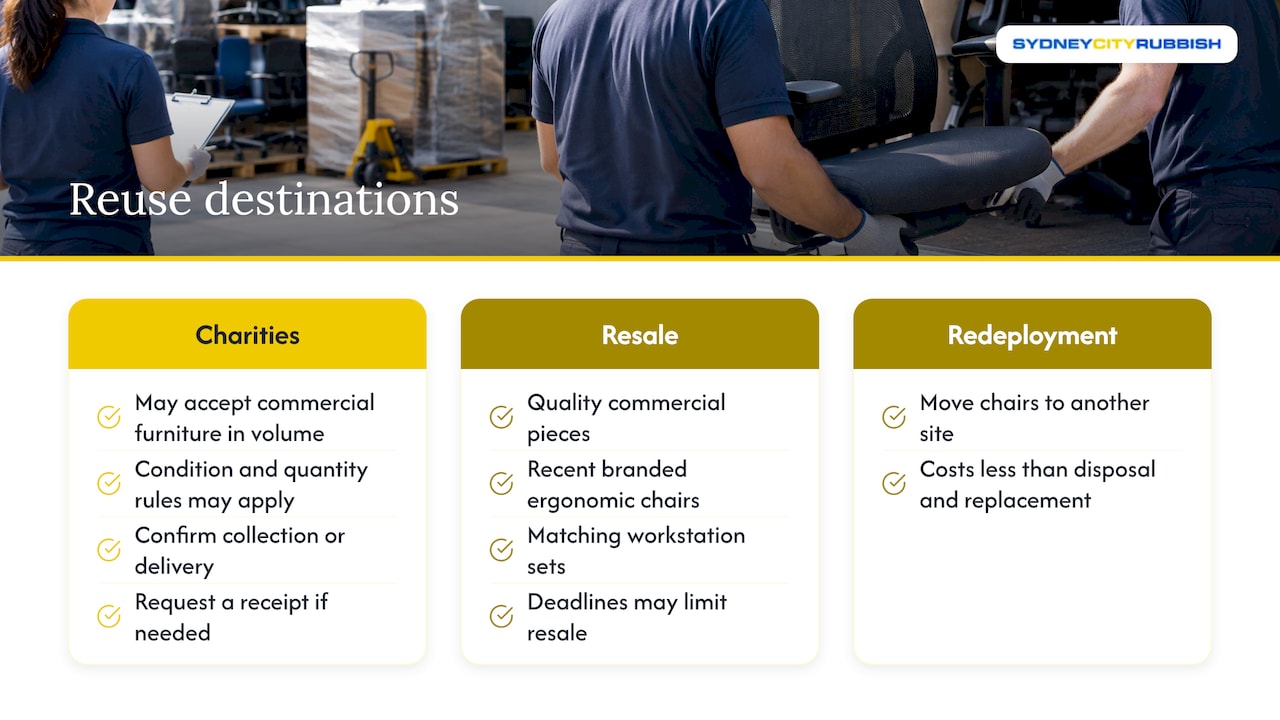
Charities and community groups. Some organisations accept commercial furniture in volume, often with specific eligibility rules on condition, quantity and collection. Ask for any receipt you need for your records, and confirm whether they collect or expect delivery. We have set out the Sydney options in our guide to donating office furniture in Sydney.
Resale to dealers. Second-hand office furniture dealers and online marketplaces buy or take quality commercial pieces. Resale suits recent, branded ergonomic chairs and sets of matching workstations. It rewards patience, which an end-of-lease deadline rarely allows.
Internal redeployment. If another site in your group has staff growing into new space, moving chairs there costs less than disposal and buying new.
Staff and tenants. A short, scheduled offer to employees can clear a handful of good chairs. It does not scale to a floor.
The common thread is that reuse works when you have time and sound stock. When either is missing, the chairs move to the recycling group, and the question becomes how to move them out cleanly.
End-of-lease clear-outs: where chair disposal becomes urgent
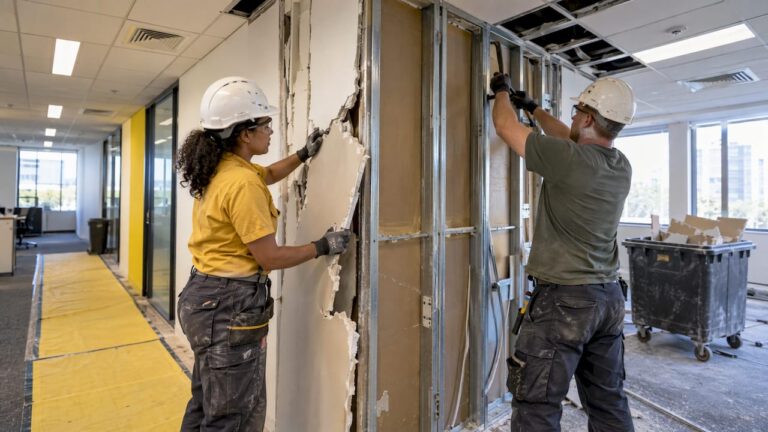
For property managers and tenants, chairs are rarely the only item. A lease handover typically means returning the premises to the condition the lease requires, which can include removing furniture, joinery, partitions and floor finishes. Chairs are the easy part, and they are best removed first so the space is clear for the rest of the makegood.
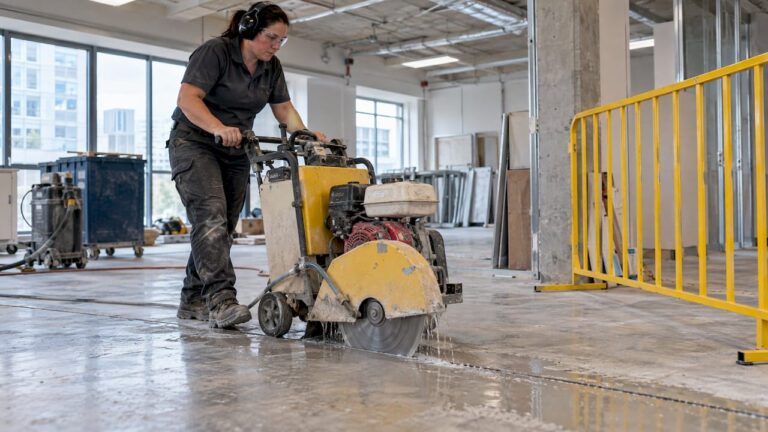
We handle this as one job: office furniture removal alongside makegood and de-fit, strip-out and floor finish removal when the lease requires them. Booking one provider for the whole sequence means one point of contact and one set of access arrangements. For warehouses, the same logic applies to racking, pallets and bulk furniture. If your project is wider than furniture, our commercial office rubbish removal page explains what is covered.
How we remove office chairs and furniture
Sydney City Rubbish specialises in corporate and commercial waste: offices, retail spaces, construction sites and strata-managed buildings. For office chairs, the service covers removal of the full furniture load, with electronics and other items taken at the same visit. Our approach rests on a few commitments:
- Fast electronic quoting, so you can price a clear-out before you plan the date.
- A punctuality guarantee, with compensation if we are late.
- Meticulous cleanup, so no waste is left behind.
- Responsible disposal through registered recycling partners.
- An opt-in carbon-neutral service for corporate clients, delivered through our partnership with Carbon Neutral.
Quotes are per truckload or per project, and you can book and pay online. If you have an inventory ready, send it with your request and ask for a free quote on commercial rubbish removal. You can also read about our furniture disposal and recycling service before you decide.
Choosing how to clear a large number of chairs
Whichever route you take, settle five points before you commit. They apply to any collection and are the practical version of the procurement mindset above.
First, what happens to the chairs afterwards. Ergoprise suggests asking providers for their historical landfill percentage and chain-of-custody reporting, and for itemised donation receipts if you need them for tax. Treat those as reporting questions that matter to your ESG or sustainability reporting.
Second, how access will work. A provider who liaises with building management removes the biggest source of failed collections.
Third, timing. If the lease ends on a date, a late crew is a cost to you. A punctuality guarantee with compensation puts that risk where it belongs.
Fourth, scope. Chairs, desks, partitions and e-waste are easier to manage as one job than four.
Fifth, whether you want carbon-neutral disposal as part of your reporting. It is available as an opt-in with our service.
FAQ
Can I put old office chairs in a council clean-up or doorstep collection?
For a business, generally not. The City of Sydney doorstep service excludes desk chairs and commercial waste, and council clean-ups are designed for household quantities. A commercial collection is the practical route for any volume of chairs.
Are office chairs actually recyclable?
Partly. Metal frames, bases and cylinders are the most readily recovered materials, while foam and fabric are harder to process. Chairs that are still sound are better reused or donated, because that keeps the whole chair in use.
Where should I sell or donate usable office furniture in Sydney?
Sound, recent chairs suit second-hand office furniture dealers, online marketplaces or charities that accept commercial furniture. Check each destination’s condition and quantity rules first. Our Sydney donation guide lists local options.
How should I prepare chairs for collection?
Count and group them by condition, photograph a sample of each group, and note lifts, loading dock access and building hours. Sending that inventory with your quote request lets the crew arrive with the right truck and the right access.
Can you remove chairs as part of an end-of-lease cleanout?
Yes. We remove office furniture, joinery and related fit-out as part of makegood and end-of-lease work for offices and warehouses, and we coordinate access with building management.
Sources
- Office waste management, Logan City Council
- Office furniture, Recyclopaedia, ACT NoWaste
- Doorstep recycling for tricky items, City of Sydney
- Waste and Recycling Guide: Office Furniture, City of Wellington
- Office furniture, City of Willoughby
- Business and Institutional Furniture and Office Equipment, RecyclingWorks Massachusetts
- How to Dispose of an Office Chair: 5 Methods, Ergoprise
- Recycling and Waste Reduction Act 2020