Avoid Fines: Sydney Strip Out Permits, 10m² Asbestos, Hire Local Help
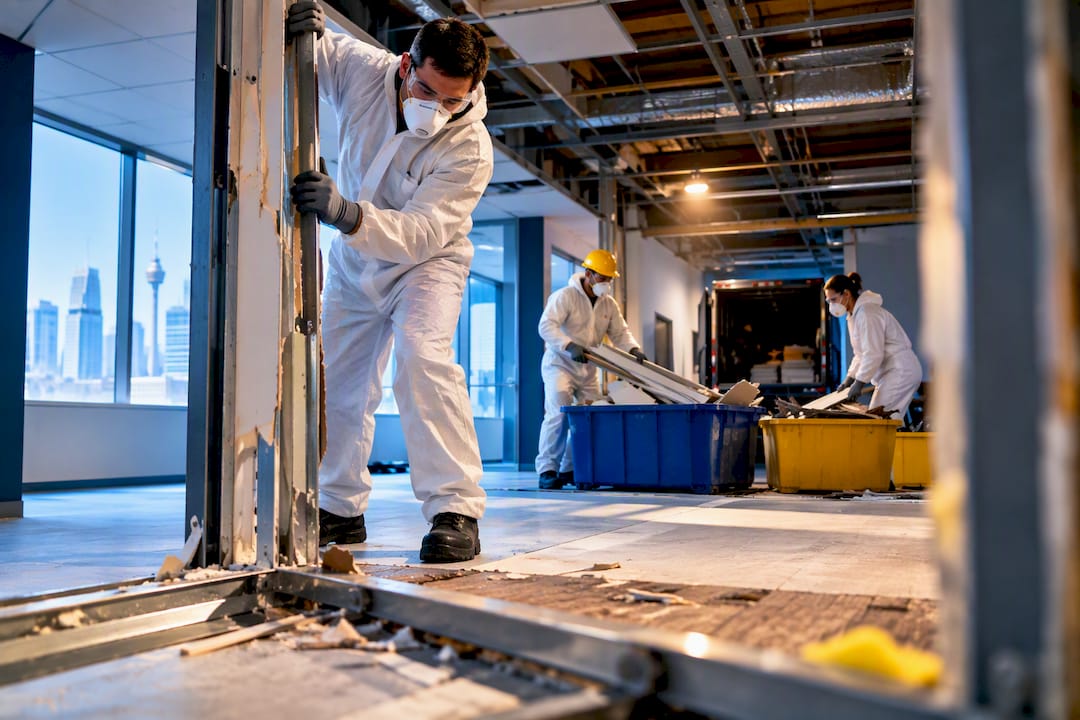
Most interior strip outs in Sydney do not need council approval if the work is non-structural and meets the state exempt development test, but that exemption has limits. Structural changes, heritage-listed buildings, and any site with suspected asbestos push the job into a formal approval pathway. Before you touch a wall, check the NSW Planning Portal, speak with your local council or a private certifier, and confirm asbestos status through SafeWork NSW guidance. Stop work immediately if you suspect asbestos or plan to alter anything load-bearing.
TL;DR:
- Most non-structural interior demolitions in Sydney are exempt if they stay within the scope of removing fixtures, joinery, and non-load-bearing walls without altering structural elements.
- Projects involving heritage-listed buildings, structural changes, or asbestos presence require formal approval through a CDC or DA, with DAs taking significantly longer if objections or complexity arise.
- Buildings constructed before 1990 should treat asbestos removal as a high priority, with licensed removalists necessary for more than 10 square meters of non-friable asbestos.
- Proper waste management planning, including separating asbestos and recyclable debris, is essential to meet approval conditions and avoid delays or fines.
- Confirm project scope, asbestos status, and approval pathway with certifiers or councils beforehand, and involve experienced demolition partners early to streamline compliance and logistics.
Table of Contents
- What counts as a strip out permits Sydney requirement, and when work is exempt
- CDC vs DA: which approval pathway applies to your strip out?
- Asbestos rules: when do you need a licensed removalist?
- Waste management and disposal rules for a Sydney strip out
- How long does a strip out permit take, and what does compliance cost?
- How to check if your strip out needs a permit
- How a Sydney strip out and rubbish removal partner reduces compliance risk
- Get help with your Sydney strip out from Sydney City Rubbish
- Sources
- FAQ
What counts as a strip out permits Sydney requirement, and when work is exempt
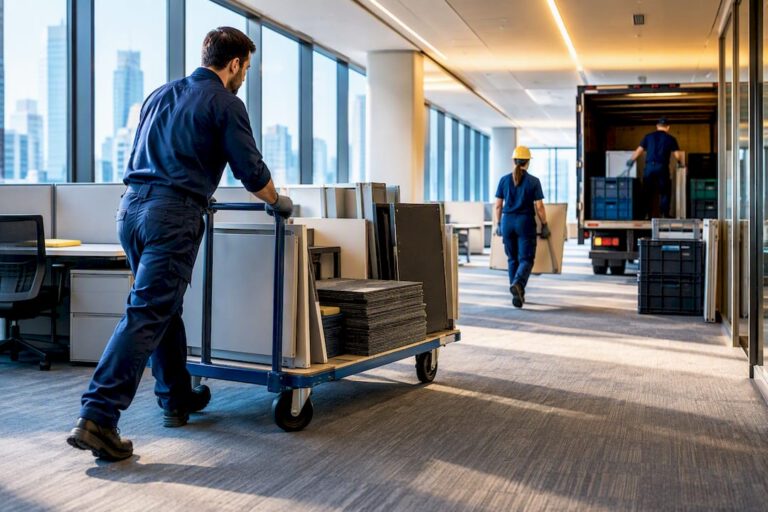
A strip out typically covers removing fixtures, joinery, partitions, ceiling tiles, carpet and floor finishes, and non-load-bearing internal walls. None of that is structural, and none of it usually needs a strip out permit in Sydney, provided the work stays within the boundaries of exempt development.
Exempt development is minor work that skips the formal planning and building approval process entirely, but it still has to satisfy the checklist in the State Environmental Planning Policy (Exempt & Complying Development Codes) 2008. The test is scope specific, not size specific. A large open-plan office fit out can qualify as exempt if nothing structural moves, while a small job touching a single load-bearing stud wall cannot.
Common exempt-eligible strip out tasks include:
- Removing carpet, vinyl, and other floor coverings down to the slab
- Stripping ceiling tiles, grid systems, and non-structural bulkheads
- Demolishing stud walls that carry no load
- Removing kitchenette or bathroom fixtures and fittings
- Taking out joinery, shelving, and built-in cabinetry
Even fully exempt work must still comply with Australian Standard AS 2601 for demolition practice and with Work Health and Safety regulations. Exemption from planning approval is not exemption from safety obligations.
CDC vs DA: which approval pathway applies to your strip out?
When a strip out falls outside the exempt category, Sydney property owners face two approval routes: a Complying Development Certificate (CDC) or a Development Application (DA). Picking the right one shapes your entire project timeline.
A CDC is a rule-based approval issued by a private certifier or council for work that meets pre-set standards. It suits strip outs with a clearly defined scope, such as internal demolition ahead of a fit out, and is often the faster route because there is no discretionary assessment involved. A DA, by contrast, goes through a full merit assessment at council. Officers weigh the application against planning controls and can invite objections from neighbours, which is why DAs commonly take several months or longer once complexity or community pushback enters the picture.
Several scenarios routinely push a strip out from CDC territory into DA territory:
- The building or site sits on a heritage list or within a heritage conservation area
- The work involves structural changes, such as removing or altering load-bearing walls
- Significant façade or external wall works are part of the scope
- The site has unresolved issues like unauthorised prior building work
Retail tenancies in older commercial buildings hit this trap often. A shopfront strip out that looks routine can reveal a structural mullion or a heritage-listed ceiling once the fit out begins, and that discovery alone can force a switch from CDC to DA mid-project.
Asbestos rules: when do you need a licensed removalist?
Buildings constructed before 1990 carry a meaningfully higher chance of containing asbestos, in insulation, floor tiles, ceiling sheeting, or wall linings behind later renovations. Any Sydney strip out touching a pre-1990 structure should treat asbestos as a live possibility until proven otherwise.
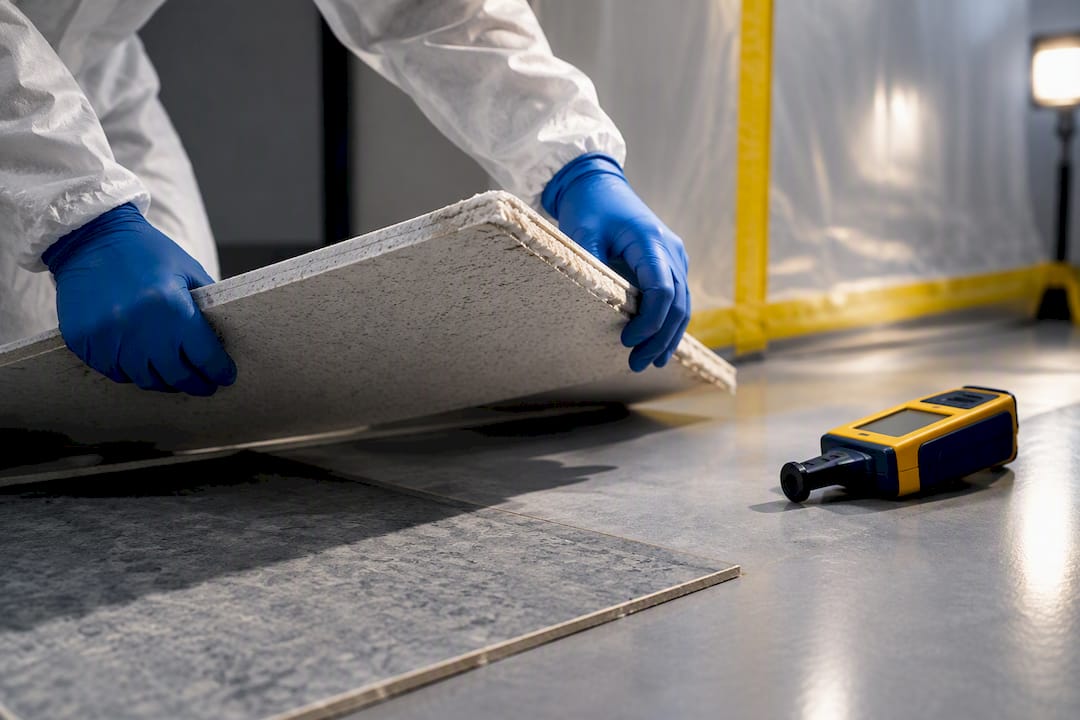
NSW licensing rules turn on quantity and material type. A Class B asbestos removal licence is required to remove more than 10 square metres of non-friable asbestos, while friable asbestos removal of any size needs a Class A licence and stricter controls again. Below the 10 square metre non-friable threshold, a licence is not mandatory, but SafeWork NSW’s code of practice still requires safe work methods and proper documentation.
The compliance sequence generally runs:
- Confirm asbestos presence through a registered assessor or the building’s asbestos register
- Engage a licensed removalist and have them prepare an asbestos removal control plan (ARCP)
- Notify SafeWork NSW ahead of the removal, particularly for friable material or larger non-friable jobs
- Obtain an independent clearance certificate before anyone re-occupies the space
Pro Tip: If the building’s asbestos register is missing or out of date, budget extra lead time. Notification and clearance steps can add days to a schedule that otherwise looked tight, and rushing them is where most strip out delays and fines originate.
Waste management and disposal rules for a Sydney strip out
A CDC issued under Schedule 9 typically comes with conditions covering a waste management plan, site run off controls, and neighbour notification, plus dilapidation reporting where work sits within 900mm of an adjoining wall. Skipping the waste plan is one of the more common reasons a certifier holds up sign off.
Getting disposal right means keeping waste streams separate rather than tipping everything into one skip:
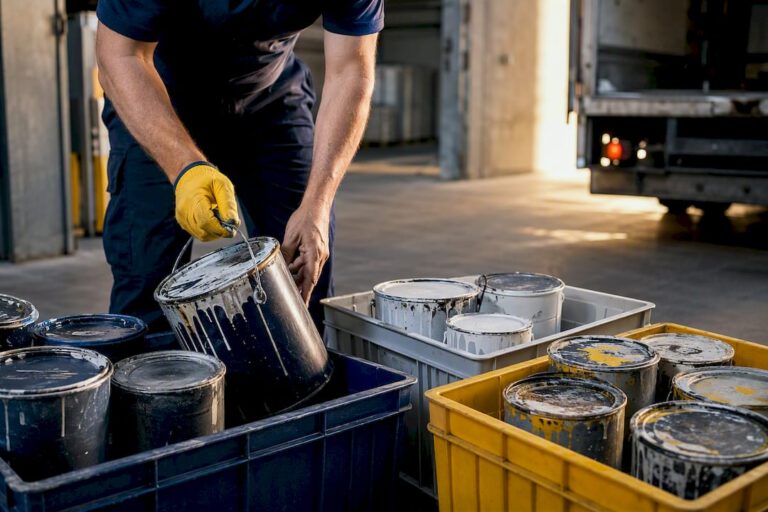
- Asbestos waste goes only to a licensed facility approved to accept it, transported by a licensed handler
- E-waste, including old switchboards, lighting ballasts, and IT equipment, needs separate collection for approved recycling
- General construction debris, timber, and metal should be sorted for recycling wherever the site allows it
- Councils commonly restrict demolition and loud works to standard hours, typically 7am to 5pm on weekdays and Saturdays, with no work on Sundays
A construction waste management plan prepared early avoids the scramble that happens when a certifier asks for one mid-project.
How long does a strip out permit take, and what does compliance cost?
Timeframes vary sharply by pathway. A CDC can sometimes clear in a few weeks once the paperwork is complete, while a DA subject to merit assessment and neighbour objections often runs two to six months. Add asbestos notification and clearance waits on top, and a project that looked like a four week job on paper can stretch well past two months.
The heavier cost items tied to compliance rather than the fit out itself include:
- Licensed asbestos removal and independent clearance testing
- Certified air monitoring where friable material is disturbed
- Skip bin or truck hire scaled to the volume of demolition debris
- Licensed landfill or recycling facility disposal fees
Build contingency time into any strip out schedule for certifier response windows, SafeWork NSW notification periods, and clearance inspections. None of these are optional extras you can compress by pushing harder on the tools.
How to check if your strip out needs a permit
Before any demolition tool touches a wall, work through a short contact and document sequence rather than assuming the job is exempt.
- Confirm with the property owner or head lessee that the proposed works are permitted under the lease
- Speak with building management or the strata committee about access, waste routes, and any building specific rules
- Contact a private certifier or your local council to confirm whether the scope is exempt, needs a CDC, or requires a full DA
- Pull a Dial Before You Dig plan and check for services running through slabs or ceilings before any cutting or jackhammering
- Gather the asbestos register, scope drawings, and a draft waste management plan ahead of that certifier conversation
Get written confirmation of exemption or a formal approval reference before starting, and hold onto every ARCP and clearance certificate. If a dispute or council query comes up later, those documents are your evidence that the job was done properly.
How a Sydney strip out and rubbish removal partner reduces compliance risk
Bringing in an experienced demolition and strip out service early, ideally while you’re still confirming the approval pathway, saves time later. A provider who has handled waste plans before can draft one faster than a first-time applicant, and knows which licensed disposal facilities a certifier will accept without question.
The most useful moment to bring in a removal partner is before the waste management plan is submitted, not after demolition starts. That means coordinating truck scheduling, skip placement, and disposal streams around the approval conditions rather than whatever’s convenient once walls are already coming down. A provider who liaises directly with licensed asbestos contractors also removes one communication gap that regularly causes delays on Sydney sites, particularly in office strip outs where building management imposes its own access and noise rules on top of council conditions.
Get help with your Sydney strip out from Sydney City Rubbish
Sydney City Rubbish handles the parts of a strip out that most commonly hold up compliance sign off, coordinated waste removal, scheduled truck hire, and site clean up that leaves nothing behind for a certifier to query. The team works alongside licensed asbestos removalists rather than around them, and offers carbon-neutral disposal as an opt in for clients who want that reporting line in their sustainability records.
Services relevant to a compliant strip out include Building Strip Out, Construction Waste Disposal Sydney, and truck and driver hire scaled to your site’s schedule rather than a generic skip drop. Punctuality is guaranteed with compensation if the crew runs late, which matters when a certifier’s clearance inspection is booked around your removal timeline.
If you’re weighing up a strip out and want the waste and logistics side handled properly from day one, request a quote through Commercial Waste Removal Sydney and get your project moving without the compliance guesswork.
Sources
For official rules, go directly to the NSW Planning Portal’s exempt development pages, the SafeWork NSW asbestos licensing guidance, and the Asbestos. Always confirm project specifics with your certifier or council before relying on general guidance.
- Exempt development — NSW Planning Portal
- Demolition permits and asbestos — CMS Contracting
- Class B asbestos removal licence — SafeWork NSW
FAQ
Do I need a permit for a small office strip out in Sydney?
Not always. A small office strip out that removes only carpet, joinery, and non-structural partitions usually qualifies as exempt development under the NSW Planning Portal rules. Confirm with your certifier if the site is heritage listed or if any wall might be load bearing.
What’s the difference between a CDC and a DA for demolition work?
A Complying Development Certificate (CDC) is a rule-based approval for defined scopes of work, often issued in weeks by a private certifier. A Development Application (DA) involves a full merit assessment by council and can take two to six months or longer when objections or complexity arise.
When do I need a licensed asbestos removalist?
You need a Class B licence for removing more than 10 square metres of non-friable asbestos, and a Class A licence for any friable asbestos work. Below that threshold, licensing isn’t mandatory but safe work practices and documentation still apply.
Can Sydney City Rubbish help with the waste management plan for my strip out?
Yes, Sydney City Rubbish coordinates waste removal, truck scheduling, and disposal streams that support the construction waste management plan most CDCs require. Current pricing for specific projects is available through a direct quote request on their site.
What happens if I skip the permit process for a strip out?
Working outside an approved exemption or without a required CDC or DA can expose you to council fines, stop-work orders, and costly rework if the certifier later finds the scope didn’t qualify as exempt. Getting written confirmation of exemption status before starting is the simplest way to avoid that outcome.