Make good soft strip demolition: contractor checks and waste reporting
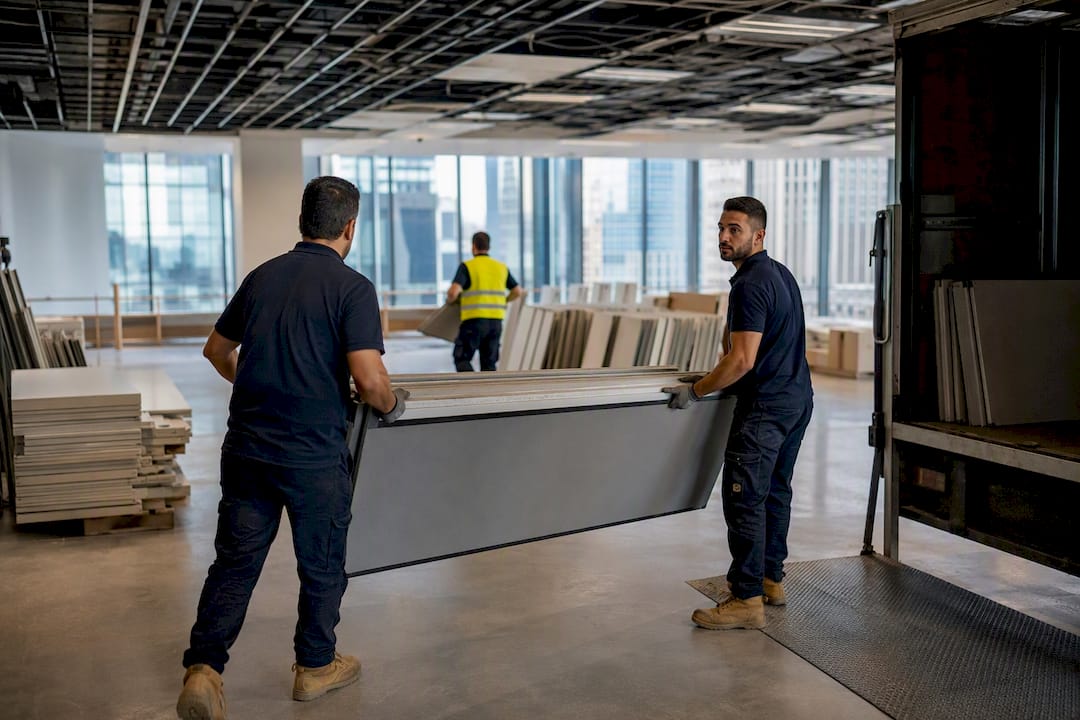
Soft strip demolition is the controlled removal of non-structural internal elements while the building’s structural shell, including load-bearing walls, columns, slabs and the roof, stays fully intact. Contractors and property managers also call it strip-out, defit or internal demolition, depending on the industry. Whatever the term, the outcome is the same: a clean, empty shell ready for a new fit-out, a change of tenant, or the next stage of full demolition.
TL;DR:
- A soft strip demolishes interior non-structural elements such as partitions, ceilings, flooring, and fixtures, leaving load-bearing structures intact.
- It is required for lease end make-good, tenant fit-outs, and pre-demolition preparations, often involving hazardous material surveys like asbestos checks.
- The process includes site surveying, service disconnection, sequential removal, waste segregation, and documentation, with specific permits and licenses needed depending on scope.
- Cost and duration vary widely based on hazardous materials, site access, and project scope, with early asbestos surveys and fixed-price quotes recommended.
- Recyclable waste streams are segregated on-site, with disposal records and sustainability commitments increasingly part of contractor offerings.
Table of Contents
- What does soft strip demolition remove?
- How is soft strip different from hard demolition?
- When do businesses need a soft strip?
- What is the soft strip demolition process?
- What permits and licences apply to soft strip work?
- What drives the timeline and cost of a soft strip project?
- How is soft strip waste managed and recycled?
- How do you choose a soft strip demolition contractor?
- How do professional teams run a compliant soft strip?
- Sources
What does soft strip demolition remove?
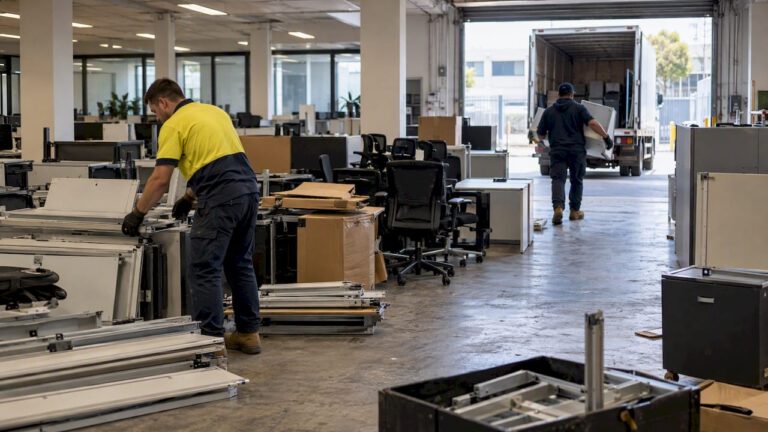
Soft strip demolition targets everything inside a building that isn’t holding it up. On a typical commercial job, that means partition walls, suspended ceilings and their grids, floor coverings such as carpet tiles and vinyl, and every piece of loose or fixed joinery that doesn’t form part of the structure.
The scope generally covers:
- Non-structural partition walls and stud framing
- Suspended ceilings, tiles and ceiling grids
- Floor finishes, including carpet, vinyl and raised access flooring
- Kitchenettes, joinery, shelving and reception desks
- Lighting fixtures, switchboards and low-voltage cabling
- Plumbing fixtures such as basins, taps and toilet pans
- Signage, branding and glazed manifestation film
What stays untouched is the building’s skeleton: load-bearing walls, structural columns, concrete slabs, the roof structure and the external envelope. Terminology shifts depending on who you’re talking to. A building surveyor might call it an “internal demolition,” while a leasing agent will almost always say “defit” or “strip-out.” They’re describing the same scope.
How is soft strip different from hard demolition?
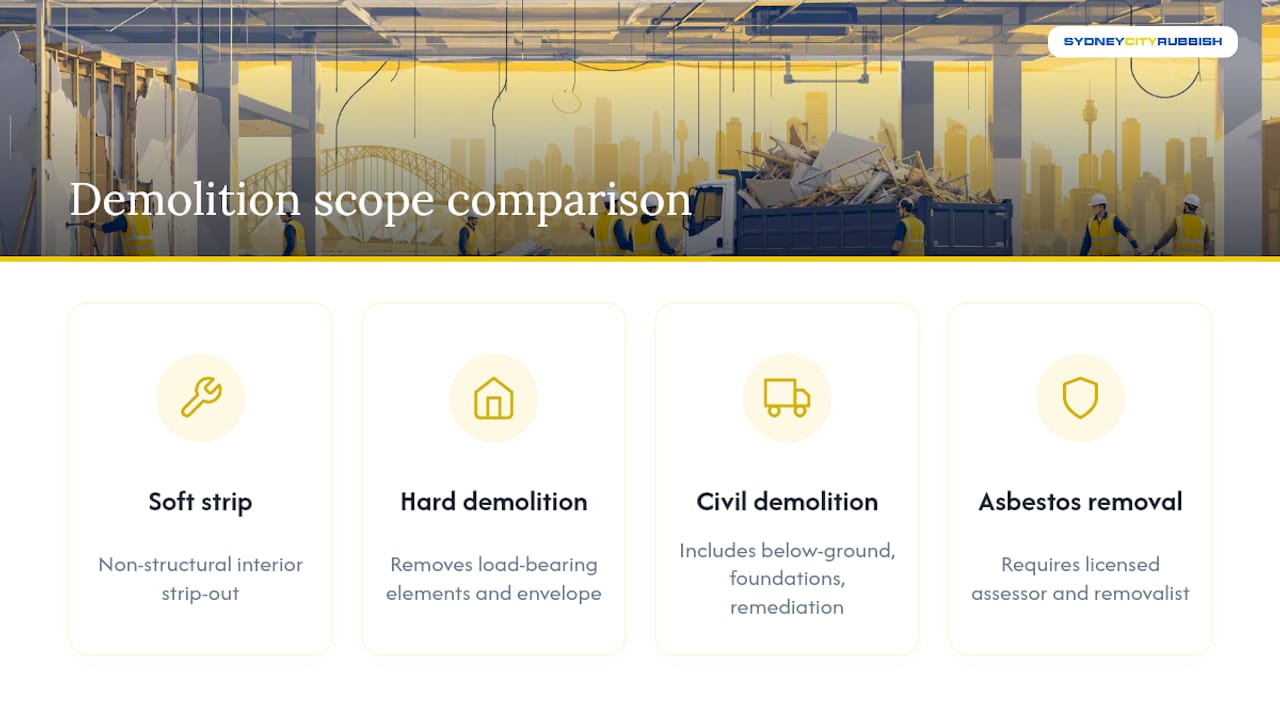
This is where confusion causes the most expensive mistakes. Hard demolition, sometimes called structural demolition, involves knocking down load-bearing elements, slabs and the building envelope itself. Civil demolition goes further again, covering below-ground works, foundations and site remediation. Both trigger different engineering controls, different equipment and, critically, different licensing requirements than a soft strip project.
Hazardous material removal is another line that gets blurred. If a pre-2004 building survey flags asbestos-containing materials, that removal becomes a separate specialist scope requiring a licensed asbestos assessor and removalist, not a general strip-out crew.
Pro Tip: Before signing off on a quote, ask the contractor to state their licence class in writing against the specific scope of works. A demolition licence for structural work doesn’t automatically cover asbestos removal, and vice versa.
When do businesses need a soft strip?
Soft strip work shows up at three predictable points in a commercial property’s life, and understanding which one you’re dealing with shapes the entire brief.
- End-of-lease make-good: Most commercial leases obligate the outgoing tenant to return the premises to a specified condition, and make-good clauses are usually explicit about what “clean shell” means.
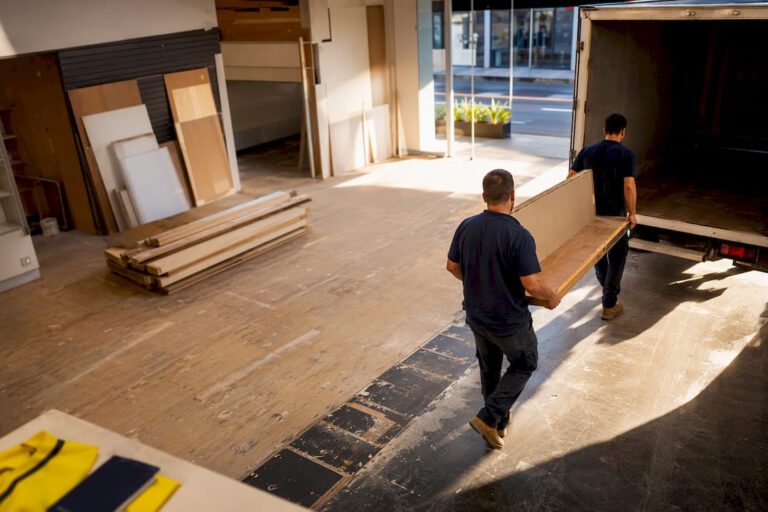
- New tenant fit-out prep: Landlords or incoming tenants strip a space back to base building before installing a fresh layout, which is often faster and cheaper than working around old fixtures.
- Pre-demolition isolation: Before a full structural demolition begins, crews soft strip the interior to recover saleable materials and isolate hazardous elements ahead of the heavier works.
What is the soft strip demolition process?
A soft strip demolition project follows a fairly consistent sequence, whether it’s a single office floor or an entire retail tenancy.
- Survey the site. A hazardous-materials survey, with particular attention to asbestos in buildings constructed or fitted out before 2004, comes before anything else touches the walls.
- Confirm scope and isolate services. Electrical, gas and water services get isolated, and the contractor prepares a written method statement covering each phase of removal.
- Remove fixtures, finishes and services in sequence. Ceilings typically come down before floors, services get disconnected before partitions, and retained structural elements are protected throughout.
- Segregate waste and hand over. Materials get sorted on site, the space is cleared and swept, and formal handover documentation goes to the client or the next contractor on the job.
Pro Tip: Ask for the method statement before the quote, not after. A contractor who can’t sequence the four steps above on paper usually hasn’t run enough of these jobs to price the risk properly.
What permits and licences apply to soft strip work?
Regulatory obligations catch a lot of tenants and facilities managers off guard, mainly because soft strip sits in a genuine grey area. It’s smaller in scale than structural demolition, but it can still trigger demolition-style controls depending on the state and the specific works involved.
- Building or demolition permits are typically required when the work affects structural elements, masonry, or exceeds a council threshold, so confirm with your local council or a registered building surveyor before starting.
- WorkSafe Queensland’s demolition licence guidance shows that licence requirements and contractor thresholds vary by the nature and scale of the work, and Queensland sets a threshold for licensed contractor work on structural jobs, so rules must be verified state by state.
- Older buildings almost always need a formal asbestos survey before strip-out begins, and contractors should hold current insurance and a documented safe work method statement (SWMS).
Industry guidance increasingly treats soft strip as demolition for planning and risk-control purposes, which is exactly why the survey and paperwork step happens before any tools come out, not after.
What drives the timeline and cost of a soft strip project?
Pricing on a commercial defit swings widely because scope, hazardous materials and site access all move the number independently of floor area. A straightforward office floor with no asbestos and easy loading-dock access costs far less per square metre than a retail tenancy with asbestos-lined ceiling tiles and no vehicle access.
Lease deadlines add their own pressure. Landlords rarely extend handover dates, and contractors often shift to after-hours or weekend work to hit them, which lifts labour costs but avoids the far bigger expense of holdover rent on a missed deadline — see these top commercial moving tips for a smooth office relocation to coordinate your timing effectively.
- Get the asbestos survey done early. It’s the single biggest unknown in any quote.
- Ask for a fixed-price scope rather than a time-and-materials rate where possible.
- Confirm building access hours before locking in a schedule; loading dock restrictions are a common hidden delay.
Make-good obligations documented by Queensland’s government guidance show just how directly lease terms shape both the cost and the acceptable finish standard for these projects.
How is soft strip waste managed and recycled?
Responsible contractors segregate waste streams on site rather than throwing everything into one skip. Recyclable metals, timber joinery with resale value, and general construction debris get separated from e-waste and any hazardous material identified during the survey.
- Waste manifests and disposal receipts should be provided as part of the handover documentation, not chased up afterwards.
- Diversion rates from landfill are worth asking about directly. Some contractors track and report them; many don’t.
- Corporate clients increasingly want a sustainability opt-in, such as carbon-neutral disposal, built into the contract from the outset.
How do you choose a soft strip demolition contractor?
A tender response that skips the paperwork is the clearest warning sign in the entire procurement process. Before signing anything, work through these checks.
- Confirm licences and current insurance certificates against the specific scope quoted.
- Ask how asbestos is handled, and request evidence of a completed survey where the building’s age warrants one.
- Request references from previous make-good or defit projects of a similar scale.
- Get the waste disposal policy in writing, including diversion and recycling commitments.
- Confirm timeline guarantees and what happens if lease deadlines are at risk.
Red flags include a missing asbestos survey on an older building, a vague one-line scope statement, or a contractor who can’t produce insurance certificates on request. A solid tender includes a phased method statement, a SWMS, insurance documentation, a realistic timeline and a written waste plan.
How do professional teams run a compliant soft strip?
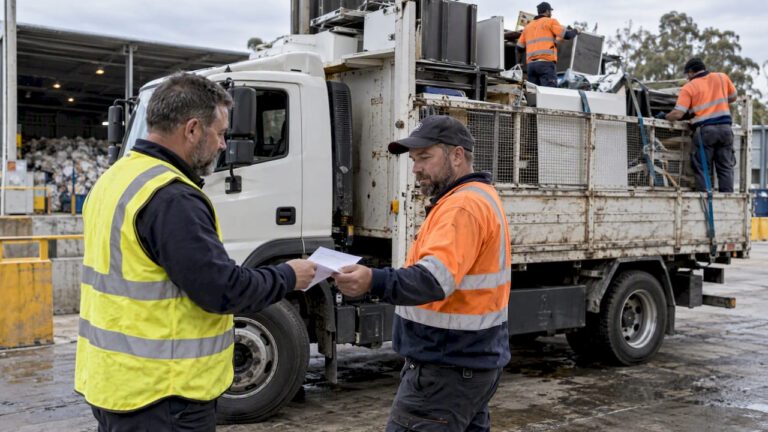
Experienced crews protect retained structural elements with hoarding and floor protection throughout the job, and they schedule the noisier phases after hours specifically to meet lease handover dates without disrupting neighbouring tenancies. Every waste stream gets documented as it leaves the site, not reconstructed from memory at the end.
Sydneycityrubbish runs commercial defit and strip-out projects across Sydney’s office, retail and strata sectors, with carbon-neutral disposal built into client reporting through a partnership with Carbon Neutral. That means the manifest a client receives at handover doesn’t just show where waste went. It shows the offset applied against it.
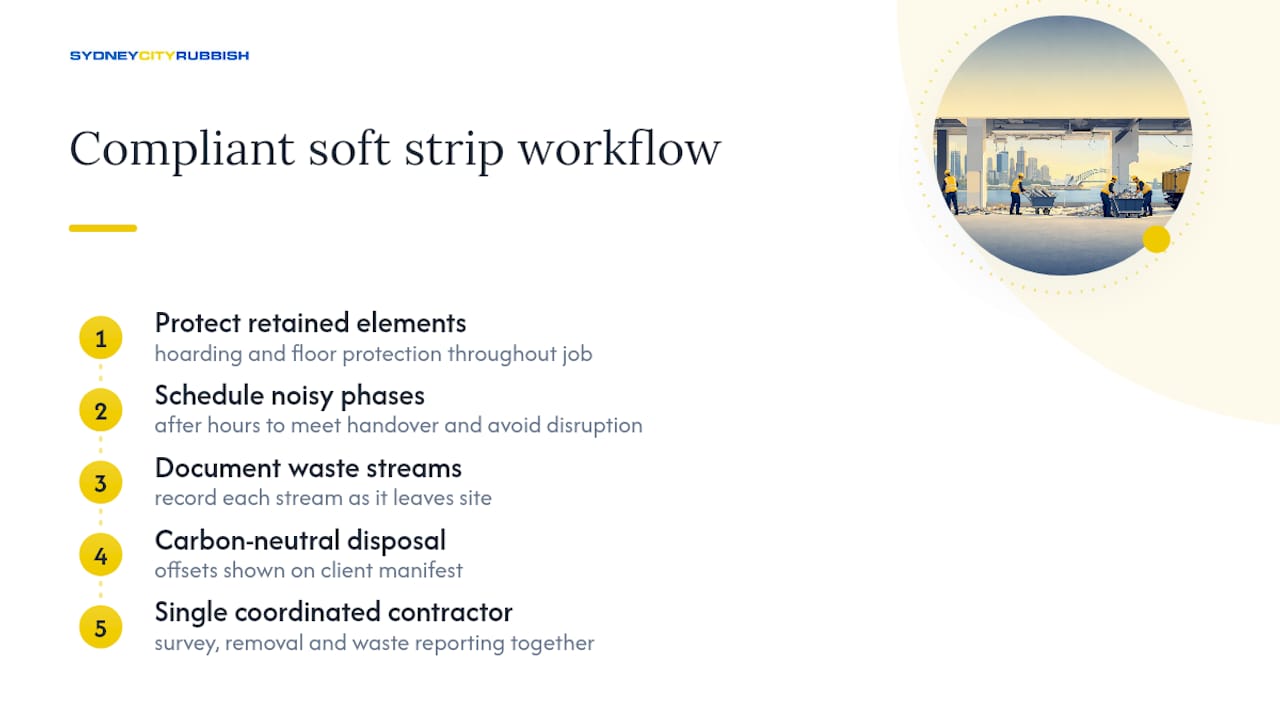
If you’re planning a make-good, fit-out prep or pre-demolition strip-out and want a contractor who documents every step, Sydneycityrubbish’s demolition and strip-out team handles the survey, the removal, and the waste reporting as one coordinated job. Get a free quote now.
Sources
- Demolition licence — WorkSafe Queensland
- Soft Strip Demolition: Process, Safety Measures & Regulations — HSEBlog