NSW Shop Defit: s133A Limits Claims, Handover Checklist & Waste Quotes
Most retail leases in New South Wales require some form of make-good, but landlords cannot simply demand full reinstatement without proper disclosure. Two legal protections limit what you owe: the Retail Leases Act 1994 requires clear disclosure of refurbishment clauses, and section 133A of the Conveyancing Act 1919 caps recovery at the actual drop in property value. Start by checking your lease disclosure statement, locating your schedule of condition, and notifying your centre manager or landlord early. Book licensed contractors and a rubbish removal provider well before your handback date.
TL;DR:
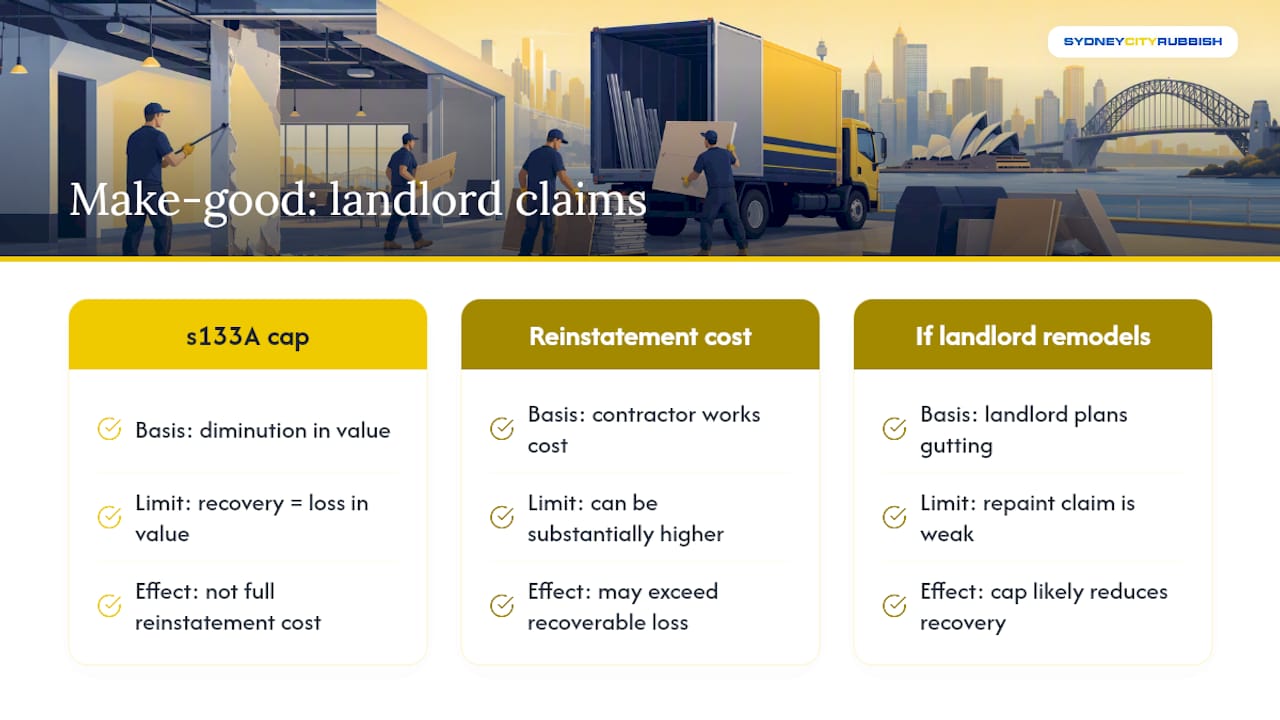
- Disclosures required by law limit your make-good obligations to the lease scope and cap recovery at property value loss, not the full reinstatement cost.
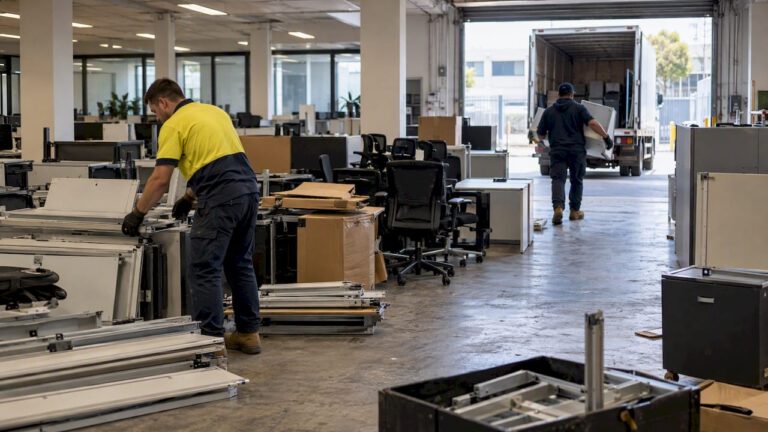
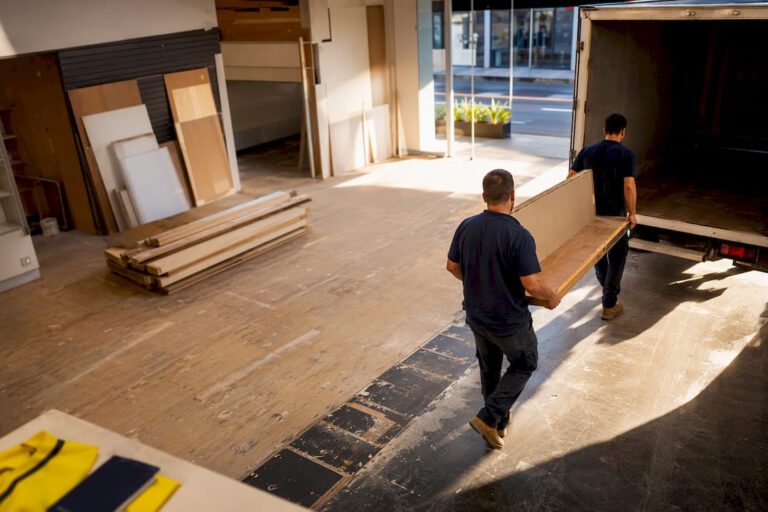
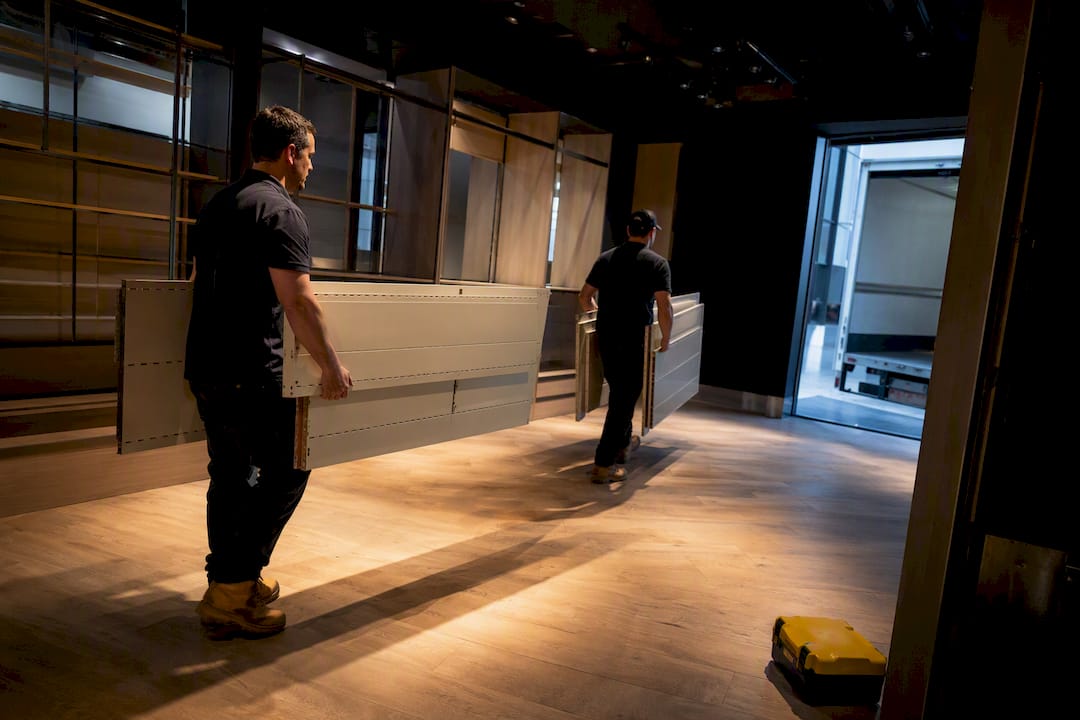
- Typical make-good work involves removing fixtures, fittings, partitions, and repainting to a neutral finish, with exact requirements depending on lease wording.
- Securing written approvals and permits before starting work, along with detailed quotes, helps avoid delays and disputes over scope and costs.
- A thorough schedule of condition with photos and notes at lease start provides crucial evidence for returning the premises and defending costs.
- Hazardous materials and waste disposal must meet SafeWork and EPA standards, with licensed contractors providing certificates and segregation reports.
Table of Contents
- What the law and standard lease clauses say about make-good in NSW
- What does a typical make-good obligation actually cover?
- What approvals do I need before defit work starts?
- How long does a shop defit take and what drives the cost?
- How do I handle the handover and avoid disputes?
- What are the waste and safety rules for shop strip-outs?
- Sydney City Rubbish: getting a defit quote sorted properly
- Sources
- FAQ
What the law and standard lease clauses say about make-good in NSW
The Retail Leases Act 1994 (NSW) sets the ground rules for retail tenancies, and it works in your favour more than most tenants realise. Any lease clause requiring you to refurbish or refit the shop must disclose the general nature, extent, and timing of that work. A vague catch-all clause, the kind that simply says “return premises to landlord’s satisfaction,” is often unenforceable because it fails that disclosure test.
Separately, section 133A of the Conveyancing Act 1919 (NSW) limits what a landlord can actually claim if you fall short on make-good. Recovery is capped at the diminution in value the breach caused, not the full cost of reinstatement works. A landlord planning to gut the whole tenancy for a new occupant anyway has a weak claim for the cost of your repainting job.
These protections apply specifically to retail leases as defined under the Act, covering most shops, cafes, and service businesses in shopping centres and retail strips. Office and industrial leases don’t get the same disclosure protections, so check which category your tenancy falls under. Small Business NSW recommends reading your disclosure statement line by line and getting legal advice the moment a make-good clause looks ambiguous. Commercial leasing lawyers report that courts routinely read vague clauses narrowly against the landlord, according to Prosper Law’s analysis.
What does a typical make-good obligation actually cover?
Legal wording turns into physical work once you’re standing in an empty tenancy with a deadline. Most standard make-good clauses in NSW retail leases involve:
- Removing all tenant-installed fixtures, shelving, counters, and signage back to the base building shell.
- Taking down partitions, feature walls, and any structural additions made during your fit-out.
- Repainting walls to a neutral finish specified in the lease or fit-out guide.
- Capping or returning services (power, data, plumbing) to agreed termination points rather than leaving live connections exposed.
The exact wording matters enormously here. “Restate to base building shell” is the strictest standard and usually means stripping everything back to bare concrete and services. “Redecorate” is lighter, often just paint and floor coverings. “Repair only” is the narrowest obligation and shouldn’t require removing anything that isn’t damaged.
Fair wear and tear sits outside all of this. Scuffed skirting boards and faded paint from years of foot traffic aren’t your responsibility to fix, provided you can prove the condition at lease start. That’s why a dated schedule of condition matters so much, and why some tenants negotiate a cash settlement instead of physical works when the landlord’s own renovation plans make reinstatement pointless.
What approvals do I need before defit work starts?
Access delays kill more defit timelines than any technical problem, particularly inside shopping centres where every trade needs sign-off before a single wall comes down. Work through this sequence before your contractors arrive on site:
- Pull out your fit-out guide and disclosure statement, then confirm exactly what “make-good” means for your tenancy.
- Request written approval from the landlord or centre manager covering method, timing, and access.
- Apply for any council permits your local government area requires for demolition or structural changes.
- Complete centre inductions and submit a method statement if you’re working in a managed shopping centre.
- Confirm licensed trades are booked, with current public liability and workers compensation insurance, and that all demolition work meets SafeWork NSW’s guidance.
- Prepare a waste management plan that satisfies EPA disposal standards and centre loading dock rules.
- Lock in out-of-hours work windows, hoarding requirements, and freight logistics for goods lifts and loading docks.
Pro Tip: Centre managers often need advance notice for after-hours approval and loading dock bookings during peak trading periods like December. Submit your method statement early, or you’ll be refitting around someone else’s Christmas trading hours.
How long does a shop defit take and what drives the cost?
Programme length depends heavily on tenancy size and how much reinstatement your lease actually demands. A small kiosk or short-format tenancy can be stripped and made good in a few days. Standard retail shops, cafes, and mid-sized stores typically need one to two weeks. Anything involving structural removal, hazardous materials, or full base-building restoration can stretch well beyond that.
Cost is shaped by several variables working together, not any single factor:
- The scope of removal, whether it’s fixtures and signage only or full structural strip-out.
- The reinstatement standard your lease specifies, since “restate to shell” costs far more than “repair only.”
- Out-of-hours penalty rates for night or weekend centre access.
- Hazardous material handling, which adds specialist labour and disposal fees.
- Centre coordination costs, including inductions, security, and access windows.
Request an itemised quote that maps directly to your lease’s make-good clause, item by item. That single step reduces disputes more than almost anything else, because you and the landlord are working from the same list rather than arguing over what “reasonable” reinstatement means after the fact. Build a contingency into your budget too. Discovering asbestos behind an old shopfront sign is not rare, and it changes both timeline and cost fast.
How do I handle the handover and avoid disputes?
A schedule of condition is your strongest piece of evidence, and it costs nothing but a bit of discipline at lease start. NSW government guidance recommends dated, high-resolution photographs and written notes on every fitting, wall, and floor surface before you move in. Keep that record somewhere safe for the entire lease term.
Before you vacate, work through this checklist:
- Complete a full clean of the tenancy, including floors, fixtures, and any remaining services.
- Remove every item of tenant property, from shelving to point-of-sale equipment.
- Provide any compliance certificates the lease requires, particularly for electrical and fire safety work completed during your tenancy.
- Confirm services are returned to the capped points specified in your make-good clause, not left live.
If the landlord disputes your costs or the standard of works, the NSW Small Business Commissioner offers low-cost mediation specifically for retail lease disagreements. Where the argument comes down to dollar figures, remember that section 133A caps recovery at diminution in value, and a professional valuer can put a number on that when negotiations stall. Keep every invoice, written approval, and email exchange. That paper trail is what protects you if the disagreement escalates.
What are the waste and safety rules for shop strip-outs?
Demolition and strip-out work inside an occupied shopping centre carries real safety obligations, not just logistical ones. SafeWork NSW’s demolition guidance sets licensing requirements for anyone removing structural elements, and centre managers will usually ask for proof before granting access. The NSW EPA’s construction and demolition waste toolkit sets out how timber, concrete, e-waste, and hazardous materials must be segregated and disposed of, with documentation to match.
Ask any contractor quoting your defit these questions before you sign:
- Are they licensed for demolition work under SafeWork NSW rules?
- Can they provide disposal certificates showing where waste actually ends up?
- What insurance do they carry, and does it cover night works inside a live shopping centre?
- What’s their recycling pathway for concrete, timber, and e-waste?
- Do they offer carbon-neutral disposal options for businesses that want to report on it?
Retail centres nationally generate a significant volume of construction and demolition waste every year through the constant cycle of fit-outs and defits, which is part of why the EPA’s toolkit pushes segregation so hard. Sydney City Rubbish’s strip-out, demolition, and concrete grinding services are built around exactly this kind of compliance, with carbon-neutral disposal available for tenants who want it documented.
Sydney City Rubbish: getting a defit quote sorted properly
If you’re staring down a make-good clause and wondering how the physical side of a shop defit actually gets done, Sydney City Rubbish handles the parts most tenants dread. That covers commercial strip-outs, demolition, rubbish removal, and concrete grinding for floor reinstatement, with a carbon-neutral disposal option through their partnership with Carbon Neutral for businesses that want cleaner reporting on their end-of-lease works.
When you request a quote, have your tenancy size, the specific make-good clause from your lease, photos of the current fit-out, and your target handover date ready. That’s the same information a landlord will want to see, and it means your quote lines up with what the lease actually requires rather than a generic strip-out estimate. Whether you’re clearing a small kiosk in Parramatta or a full tenancy strip-out in the Sydney CBD, get in touch with the team to book an inspection and lock in a handback date before your lease clock runs out.
Sources
- Retail Leases Act 1994 (NSW)
- Small Business NSW — fit-outs: who pays
- SafeWork NSW — demolition
- NSW EPA — construction and demolition waste management toolkit
FAQ
Do I always have to defit my shop at lease end in NSW?
Only if your lease contains a valid make-good clause that meets the disclosure requirements under the Retail Leases Act 1994. A vague or undisclosed clause may not be enforceable.
Can my landlord charge me the full cost of reinstatement?
Not automatically. Section 133A of the Conveyancing Act 1919 limits recovery to the actual diminution in value caused by your breach, not the full works cost.
What’s the difference between make-good and fair wear and tear?
Make-good covers restoring the premises per your lease terms, while fair wear and tear (normal deterioration from ordinary use) is generally not your responsibility if you have a schedule of condition proving the original state.
How far in advance should I book a rubbish removal contractor?
Book at least two to four weeks before your target handback date, especially for shopping centre tenancies that require inductions and out-of-hours access approval.
Does Sydney City Rubbish handle hazardous materials during a defit?
Sydney City Rubbish removes construction debris, e-waste, and hazardous materials as part of its strip-out and demolition services, following SafeWork NSW and EPA disposal standards.