Protect Your Bond: Ryde Office Make Good, Bring Weighbridge Receipts
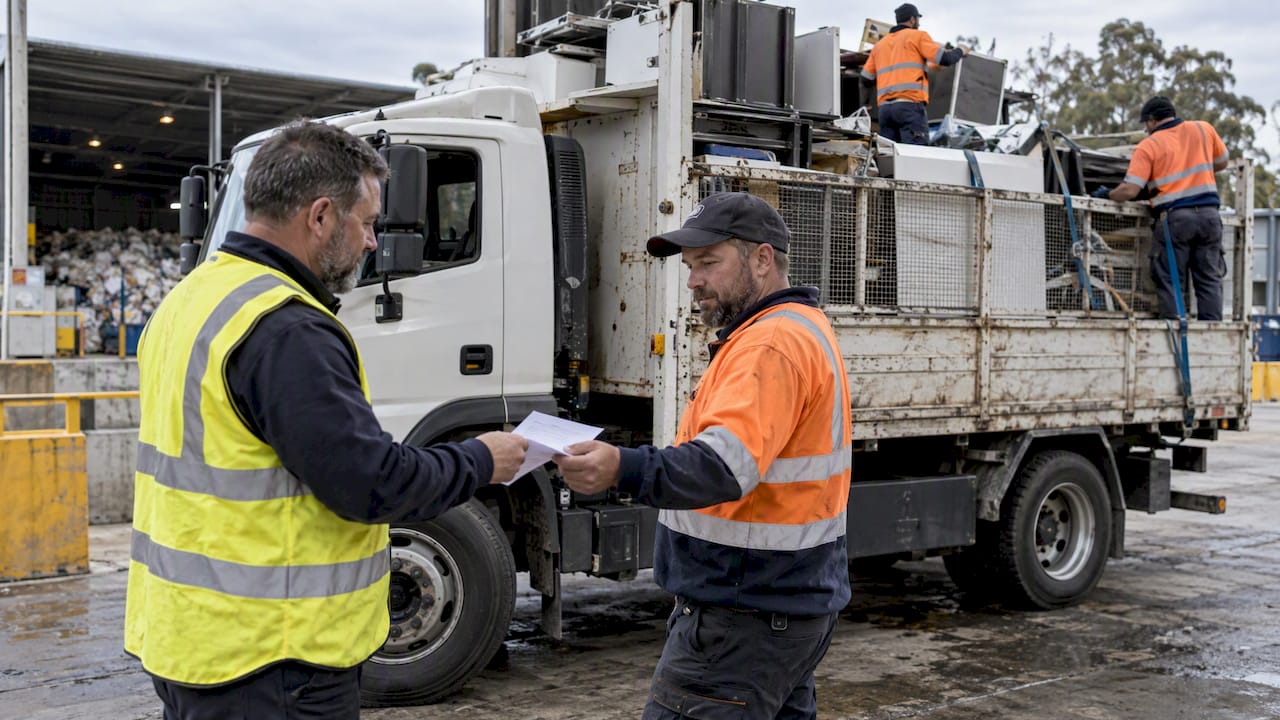
If you need an office make good in Ryde, book a compliant local commercial make good contractor, verify asbestos status and a Waste Management Plan, and require disposal receipts before final payment. This protects your bond and keeps you clear of NSW EPA rules on lawful receival facilities, asbestos tracking through WasteLocate, and the documentation that City of Ryde expects at handover.
TL;DR:
- Accurate asbestos testing before demolition is essential, especially if waste exceeds 100 kilograms or 10 square meters, to ensure proper licensed removal and tracking.
- Securing disposal receipts, weighbridge documentation, and environmental permits before final payment is critical to verify lawful waste transfer and protect your bond.
- The project timeline can extend several weeks if asbestos is found, building approval is needed, or lift and dock access is limited; early booking mitigates delays.
- Cost estimates should be based on waste volume, waste classification, and reinstatement standard, with milestones linked to disposal evidence to avoid extra charges.
- Confirming contractor insurances, ABN, and their ability to provide necessary paperwork upfront prevents legal issues and supports smooth handover procedures.
Table of Contents
- What office make good in Ryde covers
- The typical process and timeline for a Ryde make good
- How make good quotes are formed and what drives the cost
- Compliance, waste management and asbestos documentation
- Questions to ask contractors, and red flags to walk away from
- How Sydney City Rubbish supports Ryde make good projects
- FAQ
- Sources
What office make good in Ryde covers
An office make good brings a tenancy back to the condition set out in the lease, usually to base-building standard or to an agreed redecoration standard. The exact scope depends on what the original condition report recorded when you moved in, so that document is the first thing to pull out before any contractor walks through the space.
Most Ryde office make goods involve a similar set of tasks, even when the fit-out style differs between tenancies:
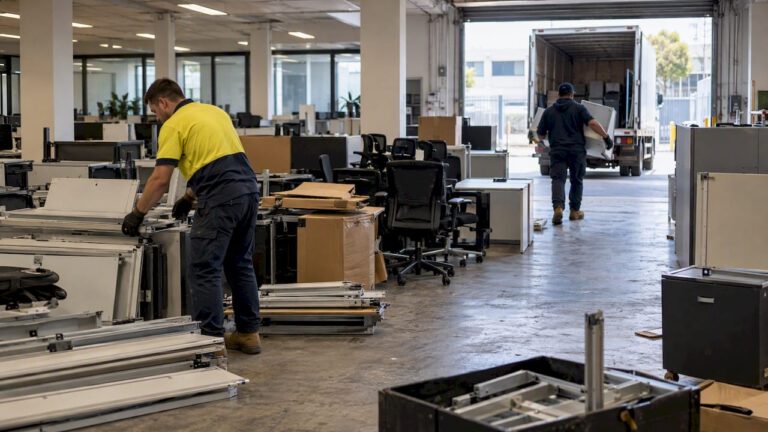
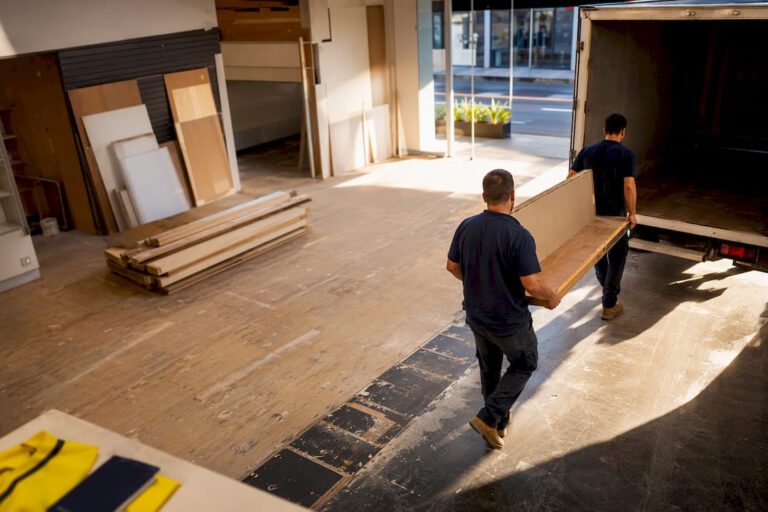
- Defit and strip-out of partitions, joinery, kitchens and signage installed during the tenancy.
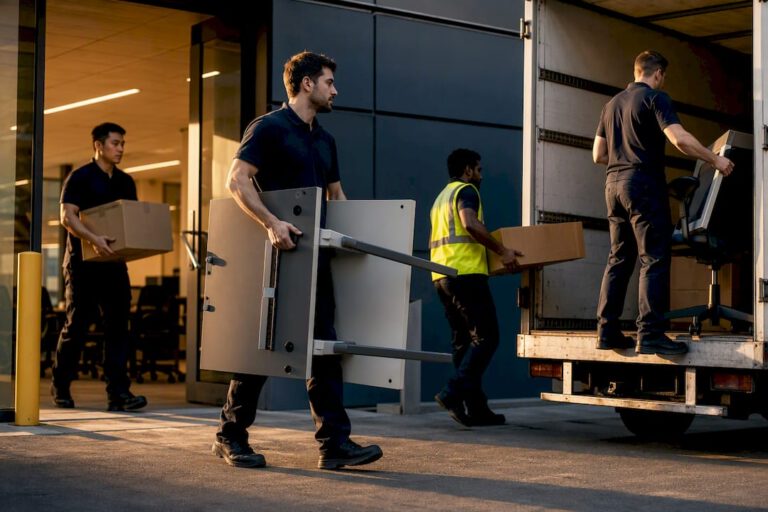
- Removal of furniture, IT cabling and any fixtures the lease requires to be taken out.
- Repairs to walls, ceilings and services, followed by repainting to the agreed standard.
- Carpet removal or replacement, and concrete grinding where the base-building floor needs to be exposed.
- Reinstatement of mechanical, electrical and fire services altered during occupation.
Base-building make good is more demanding than a simple redecoration, since it usually means stripping back to concrete and structural elements rather than leaving a clean, repainted shell. Building managers in multi-tenant Ryde premises typically control lift bookings, loading dock access and protective measures for common areas, so looping them in early avoids delays once the strip-out crew is on site.
The typical process and timeline for a Ryde make good
A make good project runs through a fairly consistent sequence, though the pace depends on building access, waste testing and how quickly approvals come through.
- Inspection and condition report review against the lease schedule.
- Waste Management Plan preparation and asbestos checks before any demolition starts.
- Itemised quote covering waste classification, labour and disposal.
- Contract execution with a milestone payment schedule tied to evidence of completed stages.
- Strip-out and on-site waste segregation by material type.
- Licensed asbestos removal, where testing identifies it, tracked through WasteLocate.
- Reinstatement works, including repairs, repainting and floor finishes.
- Final inspection and handover documentation to the landlord or agent.
A small suite might move through this sequence fairly quickly, while a full-floor office with base-building reinstatement can take several weeks once asbestos testing, lift bookings and approvals are factored in. The most common delay triggers are suspected asbestos requiring licensed removal, development application or complying development pathways for structural demolition, and competition for lift and loading dock slots in busy commercial buildings.
Pro Tip: Book lift and loading dock windows as soon as the lease-end date is confirmed, since after-hours or weekend access often compresses the overall timeline more than any other single decision.
How make good quotes are formed and what drives the cost
A reliable make good quote is built from a measured scope, not a flat truckload price. The EPA’s construction and demolition waste toolkit recommends estimating waste volumes by type and confirming receival sites before work starts, which is also what separates a defensible quote from a guess.
Several factors push the price up or down on any given Ryde project:
- Whether asbestos testing returns a positive result, triggering licensed removal and WasteLocate tracking.
- The volume and classification of waste, since mixed general waste costs less to process than contaminated or hazardous material.
- The reinstatement standard required, with base-building fitouts costing more than a simple repaint and recarpet.
- Access constraints such as limited lift availability, stairs-only loading, or restricted working hours.
- Specialist trades needed for services reinstatement, floor grinding or structural demolition.
One of the clearest cost controls available to tenants is linking payment milestones to disposal evidence, an approach the EPA toolkit recommends to reduce the risk of unlawful dumping. Holding back final payment until weighbridge receipts and receival facility paperwork are in hand gives you leverage if a contractor’s documentation falls short.
Watch for contingency allowances buried in the fine print, and insist on a clear change-order process before signing. A contractor who resists itemising these costs is usually the one who ends up asking for more money partway through the job.
Compliance, waste management and asbestos documentation
Ryde tenants carry real compliance obligations during a make good, not just a lease obligation to hand the space back tidy. The City of Ryde’s development application guidance explains that a Site Waste Minimisation and Management Plan is required for many developments, and that demolition work can trigger a DA or complying development pathway depending on scope.
A Waste Management Plan should set out the waste types expected, estimated quantities, proposed receival sites, who is responsible for each stage, and how transport will be monitored. The EPA is clear that waste must go to a facility lawfully permitted to accept it, which means checking the receival site’s licence rather than taking a contractor’s word for it.
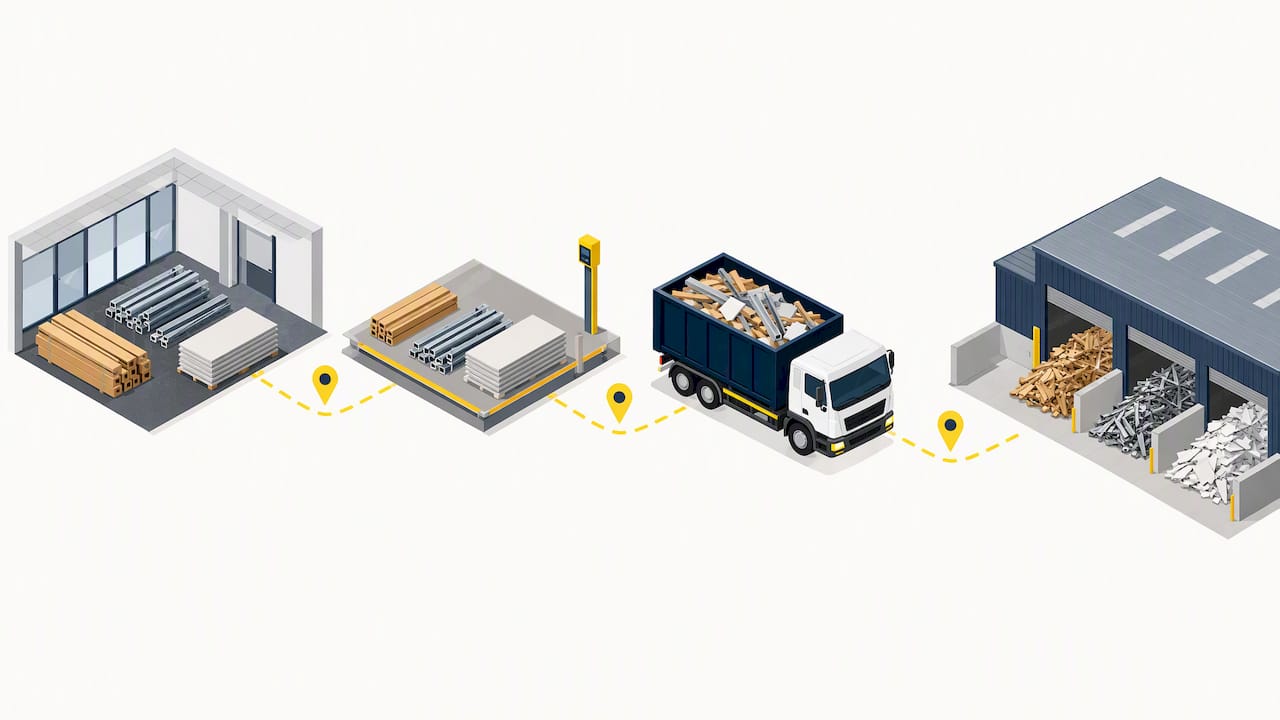
Asbestos needs separate handling entirely. Material meeting the WasteLocate tracking thresholds, over 100 kilograms or 10 square metres, must be tracked and removed by a licensed contractor, and suspected asbestos must never be mixed into a general waste load. SafeWork NSW’s guidance on recycled construction and demolition waste describes the inspection and rejection procedures recycling facilities use to catch contaminated loads, which is exactly the kind of delay a Ryde tenant wants to avoid close to a lease-end date. Our own page on asbestos disposal regulations in NSW walks through the practical steps in more detail.
The paperwork to collect at handover usually includes:
- Waste transfer dockets and weighbridge receipts for every load removed.
- WasteLocate consignment numbers for any asbestos-related waste.
- Evidence of the receival facility’s environment protection licence or development consent.
- The contractor’s ABN or ACN and relevant insurances.
| Document | Confirms |
|---|---|
| Weighbridge receipt | Waste was received at a licensed facility |
| WasteLocate consignment number | Asbestos waste was tracked under NSW EPA rules |
| Receival site EPL or development consent | The facility is lawfully permitted to accept the load |
| Contractor ABN/ACN | The entity performing the work is a legitimate business |
Confirm DA triggers, access rules, and loading dock or lift bookings with the building manager early, and bring the certifier or Council into the conversation if the scope touches structural elements.
Questions to ask contractors, and red flags to walk away from
A short vetting conversation before you sign anything will tell you most of what you need to know.
- Do you prepare a project-specific Waste Management Plan before quoting?
- Can you provide weighbridge receipts and receival facility EPLs as standard practice?
- How do you handle suspected asbestos if it turns up mid-strip-out?
- Who coordinates lift bookings and access with the building manager?
- What milestones trigger each payment under the contract?
Red flags include a flat truckload price with no breakdown by waste type, reluctance to show past disposal paperwork, no visible ABN or insurance details, and any suggestion that unlicensed subcontractors will handle demolition. A written agreement that withholds final payment until disposal evidence is delivered protects both your bond and your position if a dispute arises later.
Pro Tip: Ask for sample weighbridge receipts from a recent job before you sign, since a contractor who does this routinely will produce them without hesitation.
How Sydney City Rubbish supports Ryde make good projects
A rubbish removal company provides support for Ryde property managers and tenants on the practical side of make good, from furniture and joinery removal through to building strip-out, concrete grinding and asbestos-aware waste handling.
- Electronic quoting based on the condition report and lease schedule.
- Coordination with building management on lift bookings and loading dock access.
- An option for documented sustainable disposal practices.
- Disposal paperwork provided at the end of the job to support your handover file.
Our commercial waste removal and demolition and strip-out services cover most of what a Ryde office make good needs. Before the site inspection, have your condition report, lease schedule and any access restrictions ready, and we will build the quote around the actual scope rather than a guess at truckloads. Get a free quote now through our commercial waste removal Sydney page.
FAQ
What does an office make good typically include?
An office make good typically covers strip-out of partitions and joinery, removal of furniture and fixtures, repairs to walls and ceilings, repainting, and carpet or floor finish work to bring the space back to the standard set in the lease. The exact scope depends on whether the lease requires base-building condition or a simpler redecoration standard.
How long does an office make good take in Ryde?
Timing depends on office size, building access and whether asbestos testing is needed, with small suites often completing in one to two weeks and larger base-building reinstatements taking longer. Lift bookings, loading dock scheduling and any development application requirements are the most common factors that extend the timeline.
Do I need an asbestos check before starting make good works?
Yes, testing should happen before any demolition begins, since material meeting the WasteLocate thresholds of over 100 kilograms or 10 square metres must be tracked and removed by a licensed contractor. Suspected asbestos should never be placed in a general waste load, as recycling facilities routinely inspect and reject contaminated deliveries.
What paperwork protects my bond at lease end?
Keep weighbridge receipts, WasteLocate consignment numbers for any asbestos waste, evidence of the receival facility’s environment protection licence, and the contractor’s ABN or ACN on file. These documents show the landlord or agent that disposal was lawful and the work was completed by a legitimate operator.
Who pays for development application or approval costs?
This depends on the lease terms and the scope of works, since structural demolition can trigger a DA or complying development pathway under City of Ryde’s guidance. Tenants and landlords should clarify this responsibility in the lease or directly with the building manager before works begin.
Sources
- Construction and demolition waste | EPA
- WasteLocate (NSW EPA)
- Development applications and demolition guidance | City of Ryde
- Management of asbestos in recycled construction and demolition waste (SafeWork NSW)
Recommended
- A Comprehensive Guide to Risk Management for Sydney Office Strip-Out and Demolition
- The Importance Of Office Make Good Lease Clauses and How To Make Good At The End Of Your Lease
- What is make good in a commercial lease exit?
- Sydney City Rubbish: Concrete Grinding in Your Warehouse at the End of Your Lease