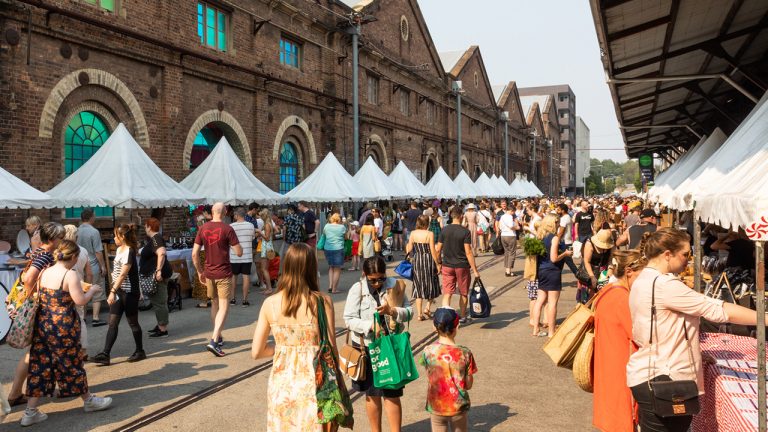
Markets and retail pop-ups are bustling spaces that inevitably bring in large crowds. With plenty of food and exciting products on offer, it’s no wonder that when it’s all over, there’s a ton of waste that needs to be dealt with. This waste can be made up of a whole lot of different materials, but no matter what it consists of, it needs to be dealt with in an eco-friendly manner.
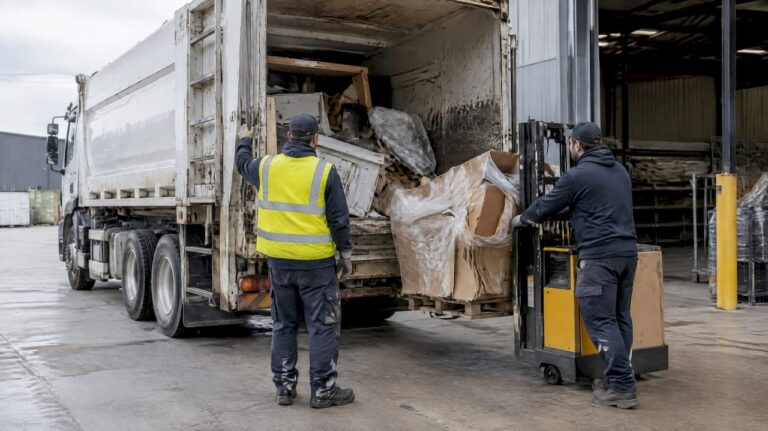
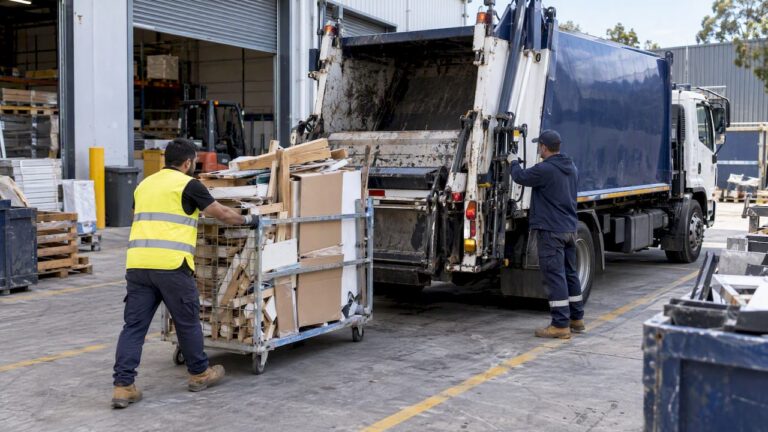
At Sydney City Rubbish, our waste specialists regularly provide rubbish removal solutions to retail clients. This includes markets and pop-up events of all shapes and sizes! We can supply large wheelie bins, help you plan out a waste segregation system, and then remove your rubbish during or at the end of the event.
We aim to make the process of dealing with your waste in an eco-friendly manner as easy as possible. When you do hire us to handle it for you, you’re able to focus more closely on the job at hand, running your stall! In this article, we’ll take a closer look at why eco-friendly waste solutions for markets are a must, and how we can help.
Click here for a free rubbish removal quote today.
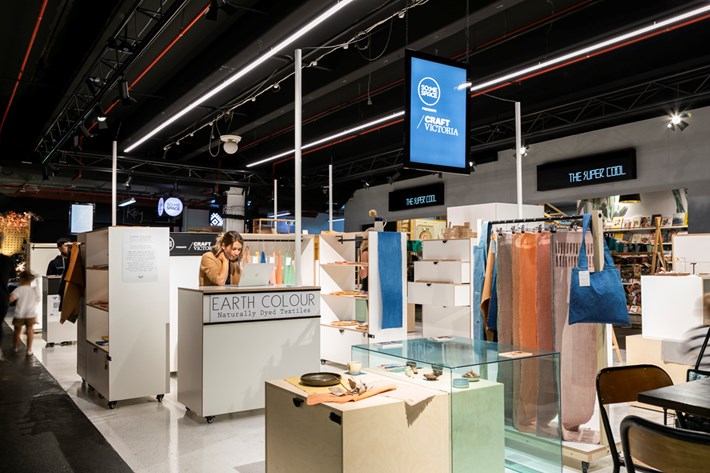
What waste do markets and pop-ups produce?
Markets and retail pop-ups generate a variety of waste types, including packaging materials, food waste, and general rubbish. Understanding these waste types and where they are coming from is the first step toward managing them effectively.
Paper waste
Markets and pop-ups often produce large amounts of paper waste, including receipts, flyers, promotional materials, and cardboard packaging. While paper is biodegradable, improper disposal can contribute to unnecessary landfill waste. Paper waste removal through dedicated recycling channels helps reduce environmental impact.
Plastic packaging
Many vendors use plastic bags, bubble wrap, and other plastic packaging to protect products. Unfortunately, single-use plastics are a major environmental concern. Plastic recycling for markets ensures that these materials are repurposed instead of ending up in landfill. That’s always the preferred result of course, because plastic in landfills takes thousands of years to break down.
Food waste
Food stalls and vendors generate food scraps, leftovers, and biodegradable packaging. Without proper disposal, this waste can attract pests and contribute to unpleasant odours. Implementing composting solutions and proper packaging waste removal strategies can significantly reduce food waste’s negative impact.
Wood waste
Temporary market structures, signage, and display stands often involve wooden components. Over time, these may become damaged and require disposal. Recycling or repurposing wood waste helps prevent unnecessary landfill contributions. Of course, the best practice here is to reuse wooden materials where possible, but that’s not always the case.
General rubbish
Aside from recyclable and organic waste, markets also produce general waste, including broken items, disposable cutlery, and miscellaneous rubbish. Proper retail rubbish removal ensures this waste is collected and disposed of in an environmentally friendly manner. This kind of waste is also going to be produced by the general public, so you may need to take that into account.
How can you reduce this waste?
Reducing waste at markets and retail pop-ups not only benefits the environment but also helps vendors save money on disposal costs.
Here are some surefire strategies to minimise waste generation:
- Encourage vendors to use sustainable packaging alternatives.
- Offer discounts to customers who bring reusable bags and containers.
- Reduce the distribution of paper flyers by using digital promotions.
- Partner with local recycling programs to repurpose materials.
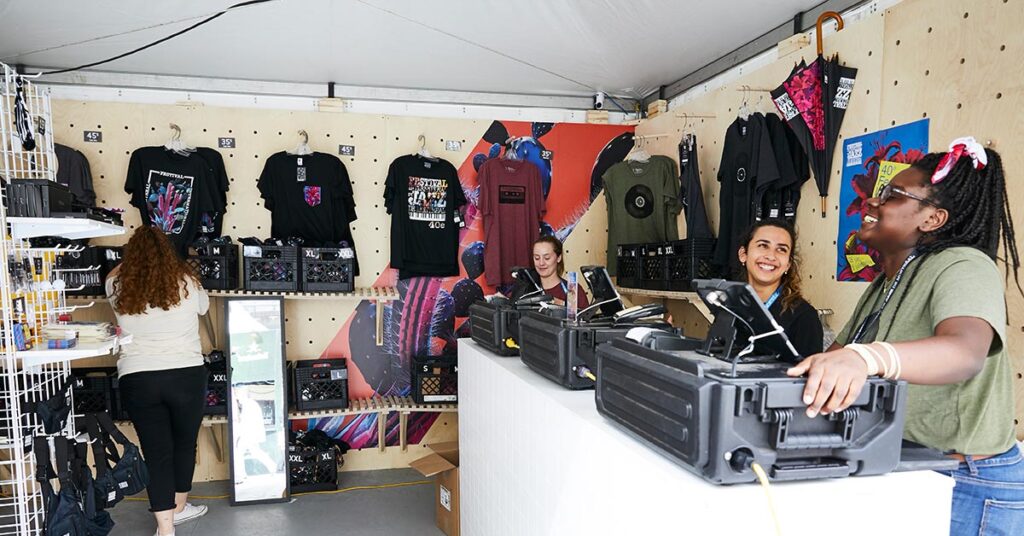
Dealing with waste in an eco-friendly manner
Proper waste management is crucial for maintaining clean and sustainable markets. Without the right strategies in place, you may well end up inadvertently polluting the surrounding environment. Moreover, you could be adding waste to landfills that just doesn’t need to be there.
Here are some best practices for eco-friendly rubbish removal for markets:
Make a plan
Before the event begins, create a waste management plan that includes designated disposal areas, recycling stations, and collection schedules. Planning ahead ensures smooth operations and minimises waste buildup.
Segregate your waste
Separating waste into different categories, such as paper, plastic, organic, and general rubbish, makes recycling more effective. Providing clearly labelled bins for packaging waste removal encourages vendors and customers to dispose of waste responsibly.
Have plenty of bins available
Ensuring that bins are strategically placed throughout the market area helps prevent littering. Adequate bin availability makes waste disposal convenient for both vendors and visitors.
Use clear signage
Signage plays a vital role in guiding people on where to dispose of different types of waste. Clear and easy-to-read signs encourage better waste separation and promote eco-friendly retail waste removal practices.
Hire a rubbish removal company
Professional waste removal services ensure that all market waste is collected, sorted, and disposed of properly. At Sydney City Rubbish, we specialise in retail rubbish removal, helping businesses and vendors keep their spaces clean and compliant with waste regulations.
Get a free rubbish removal quote today
If you’re organising a market or retail pop-up in Sydney, don’t let waste management become a challenge. Sydney City Rubbish offers reliable and eco-friendly rubbish removal for markets, ensuring your event remains clean, sustainable, and hassle-free.
Contact us today for a free, no-obligation quote on our waste removal services!
FAQs about waste management for markets and retail
Who usually deals with junk at a market?
Market organisers, stallholders, and dedicated waste management services handle junk disposal. Many markets have designated collection points or hire waste removal companies to ensure proper disposal.
What are examples of waste in inventory?
Inventory waste includes expired stock, damaged goods, outdated packaging, unsold items, and excess promotional materials. These should be sorted for recycling, donation, or responsible disposal.
Do markets produce much waste?
Yes, markets generate significant waste, including food scraps, packaging, cardboard boxes, plastic wrapping, and discarded merchandise. Effective waste management helps reduce landfill impact.
Do you take large recyclables?
Yes, we accept large recyclable items like cardboard, wooden pallets, plastic crates, and bulk packaging. Contact us to arrange collection.
Do you take old metal waste?
Yes, we collect and recycle metal waste, including shelving, fixtures, metal display stands, and old market equipment.
How do I segregate waste at a retail pop-up?
Use separate bins for recyclables, general waste, and organic materials. Clearly label bins and encourage staff and customers to dispose of waste responsibly. For larger waste removal, consider a professional collection service.