Tie Payment to Dockets: Sydney Demolition Waste Plan
If you’re managing a demolition or strip-out in Sydney, the answer is straightforward: hire a local removal contractor who can provide truck-and-driver haulage, onsite sorting and lawful transport, backed by disposal dockets for every load. Under NSW law, you and your transporter remain liable until that waste reaches a site that can lawfully receive it, so documentation matters as much as the removal itself. Sydney City Rubbish is one operator offering this combination directly.
TL;DR:
- Contractors should provide onsite sorting to improve waste recovery and reduce contamination risks, especially when handling hazardous materials like asbestos.
- Ensure the disposal sites used are lawfully permitted and obtain proof of lawful disposal, including dockets, receipts, and environmental licences for each load.
- Require licensed asbestos removal and clearance certificates before re-occupation or further demolition on sites with asbestos materials.
- Verify that waste tracking is conducted through the Integrated Waste Tracking Solution or WasteLocate, especially for larger asbestos loads.
- Contract a removal company that offers comprehensive services, including structural demolition, makegood work, haulage, and environmental footprint options like carbon-neutral disposal.
Table of Contents
- What demolition and construction waste removal services include on site
- NSW compliance essentials: what you must enforce in your demolition waste plan
- Checklist: how to choose and contract a demolition waste removal partner in Sydney
- How Sydney City Rubbish can deliver compliant demolition waste removal in Sydney
- Sources
- FAQ
What demolition and construction waste removal services include on site
A capable removal contractor does more than turn up with a truck. The scope should match the physical realities of a demolition or strip-out: dense rubble, jagged masonry fragments, timber offcuts and scattered wiring all need different handling, and a single skip bin rarely covers it. Before you accept a quote, check that the service includes:
- Truck-and-driver haulage or bin hire sized to the volume of the job, not a generic skip.
- Strip-out and makegood work for fit-outs, including ceilings, walls, doors and joinery.
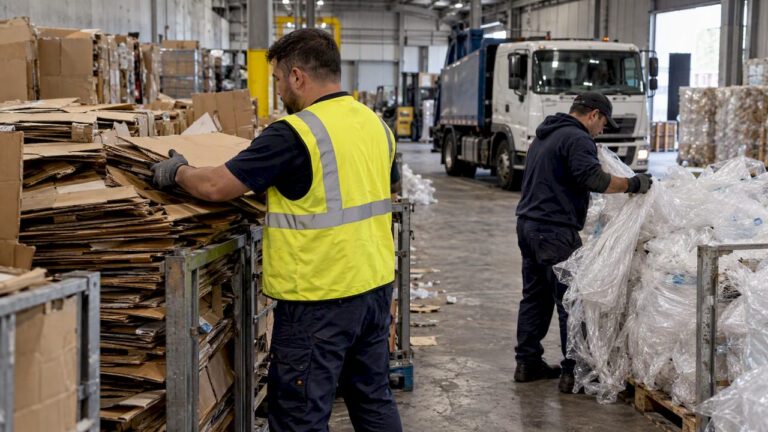
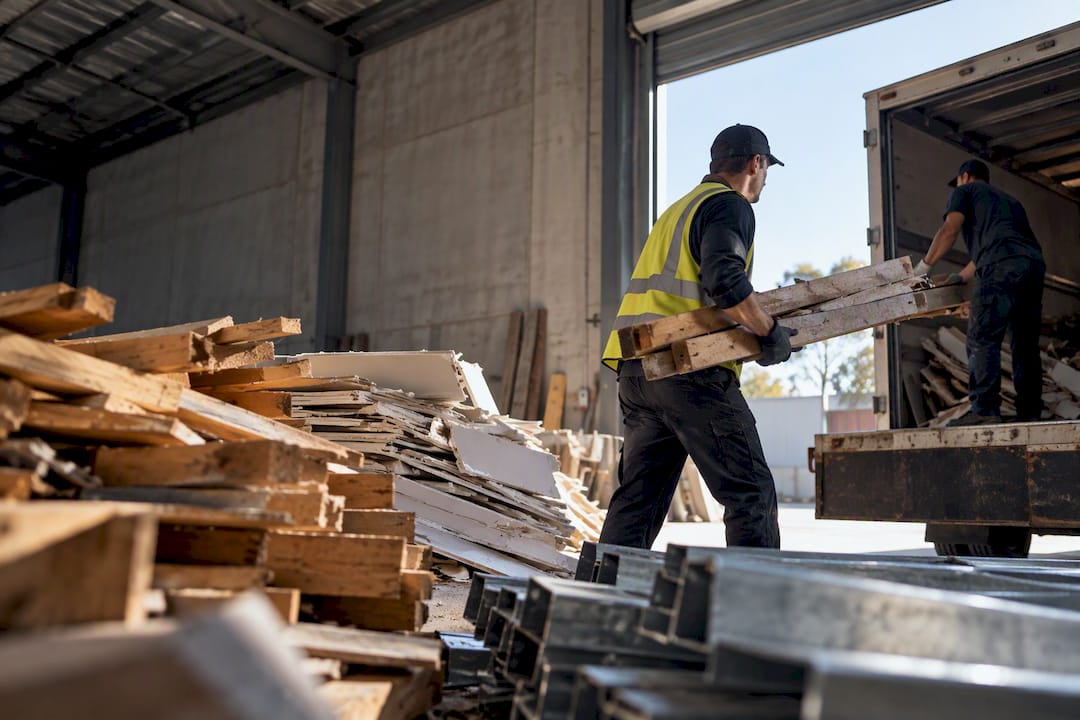
- Onsite sorting into metal, timber, concrete, general waste and hazardous streams.
- Concrete cutting, grinding or core drilling where structural elements need to come out cleanly.
- A defined pathway for hazardous material, particularly asbestos, that is separate from general demolition debris.
Onsite sorting is worth insisting on rather than treating as optional. Segregating waste at the point of removal improves recovery rates and reduces the risk of contaminated loads being rejected at the receival facility. Where a site inspection or a competent person identifies asbestos-containing material, that work sits with a licensed asbestos removalist, not the general demolition crew, and the two should coordinate rather than overlap. Ask any contractor for evidence of their licences, current insurance and their process for handling a clearance workflow before you sign off on scope.
NSW compliance essentials: what you must enforce in your demolition waste plan
Compliance on a demolition site in Sydney is not a paperwork exercise you complete after the fact. It shapes who you can legally hire and what you must retain once the job is done.
- Confirm the receival site is lawfully permitted to accept the waste type you’re generating, since EPA NSW makes clear that both the waste owner and the transporter can be liable if material ends up at an unauthorised site.
- Require disposal dockets, weighbridge receipts and a copy of the receival facility’s environment protection licence or development consent for every load.
- Treat asbestos separately from the start: a competent person identifies it, a licensed contractor removes it where required, and SafeWork NSW requires a final clearance inspection and written clearance certificate before the site can be re-occupied or demolition can proceed.
- Check that larger asbestos loads are tracked through the Integrated Waste Tracking Solution, since IWTS and WasteLocate place the consignment-creation and tracking duty on the transporter, not the site owner.
Construction and demolition waste is a growing share of the state’s waste stream, up 7% in the latest reporting period. NSW generated 22.4 million tonnes of waste in 2024-25, and that volume is exactly why regulators pay close attention to where demolition material ends up. Building these checks into your procurement process, rather than relying on a contractor’s word, is what keeps a property manager or builder out of the liability chain when something goes wrong downstream.
Checklist: how to choose and contract a demolition waste removal partner in Sydney
Getting the right contractor on paper matters as much as getting them on site. Before you award the work, verify their licences, their asbestos capability, current insurance, and whether they can name the environment protection licence of the facility they intend to use. Ask how they track loads, whether they use WasteLocate for asbestos consignments, and whether trucks are tracked from site to receival point.
Once you’re contracting, build these protections into the agreement:
- A lawful disposal clause naming the receival sites the contractor is authorised to use.
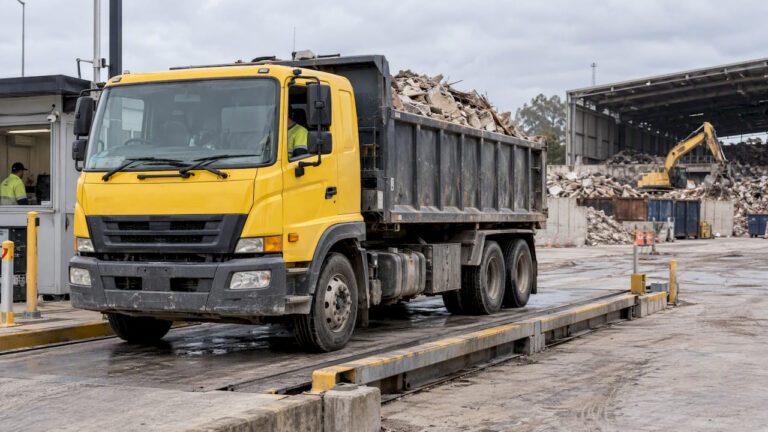
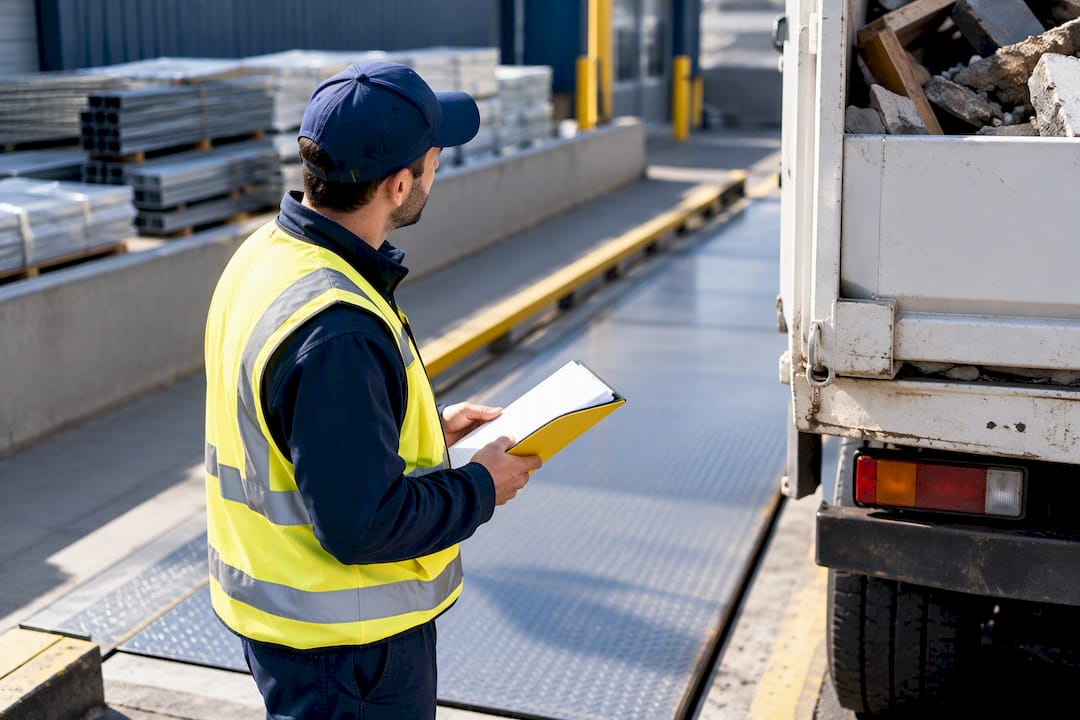
- Proof of receival, in the form of dockets and weighbridge receipts, required before final payment is released.
- A rejected-load register with agreed penalties if a load is turned away for contamination.
- An obligation to supply documentation within a set number of days of each uplift.
Operationally, insist on labelled bin segregation areas on site, a two-stage inspection before any load leaves, and a named site supervisor responsible for signing off each dispatch. Keep disposal dockets, weighbridge receipts and clearance certificates on file for the retention period your project or insurer requires.
Pro Tip: Make the release of final payment conditional on receiving disposal dockets and weighbridge receipts, not just a verbal confirmation the job is done.
Read more on preparing supporting documentation in our guide to asbestos disposal regulations in NSW and our notes on building a construction waste management plan.
How Sydney City Rubbish can deliver compliant demolition waste removal in Sydney
A rubbish removal company handles the removal side of a demolition project directly, so it’s not necessary to chase multiple subcontractors to get one job done properly. Services often include:
- Commercial and construction waste removal, sized to office fit-outs, retail sites and larger builds.
- Building strip out, makegood and de-fit work, including ceilings, walls, doors and joinery.
- Truck and driver hire, concrete cutting, concrete grinding and core drilling for structural removal.
- Coordination with building management for site access, and support gathering disposal dockets and receival documentation.
For corporate clients who want a lower environmental footprint on the project, some removal companies offer a carbon-neutral disposal option through partnerships with carbon-neutral organizations, available as an opt-in rather than a default. Read more about the demolition and strip-out capability on the demolition and strip out services page, then get a quote through Commercial Waste Removal Sydney to move your project forward.
Sources
Before you finalise a demolition waste plan, it’s worth checking the source material directly rather than relying on a contractor’s summary. EPA NSW’s construction and demolition waste guidance sets out procurement practices, including linking payment to proof of lawful disposal. SafeWork NSW publishes the asbestos removal and clearance certificate requirements referenced above, and the City of Sydney provides waste management planning tools for new developments.
- Construction and demolition waste disposal — EPA NSW
- Clearance inspections and certificates — SafeWork NSW
FAQ
Who is legally responsible for demolition waste in NSW?
Both the person who generates the waste and the transporter carrying it can be held responsible if it ends up at a site not lawfully permitted to accept it, under EPA NSW’s construction and demolition waste rules. This is why checking the receival facility’s licence before work starts matters more than checking it after.
Do I need a clearance certificate after asbestos removal?
Yes, where licensed asbestos removal work has taken place, SafeWork NSW requires a final clearance inspection and a written clearance certificate before the area can be re-occupied or further demolition can proceed. Keep this certificate with your other project documentation.
What documents should I keep from a demolition waste removal job?
You should retain disposal dockets, weighbridge receipts and, for larger jobs, a copy of the receival facility’s environment protection licence or development consent. For asbestos loads meeting the relevant thresholds, ask for confirmation the movement was tracked through IWTS and WasteLocate.
Can Sydney City Rubbish handle a full commercial demolition project?
Sydney City Rubbish offers structural demolition, building strip out, makegood and de-fit, truck and driver hire, and concrete cutting and grinding as part of its service range. Clients can also opt in to carbon-neutral disposal through the company’s partnership with Carbon Neutral for the removal component of a project.