Avoid bill shocks: Carpet tile removal costs for NSW property managers
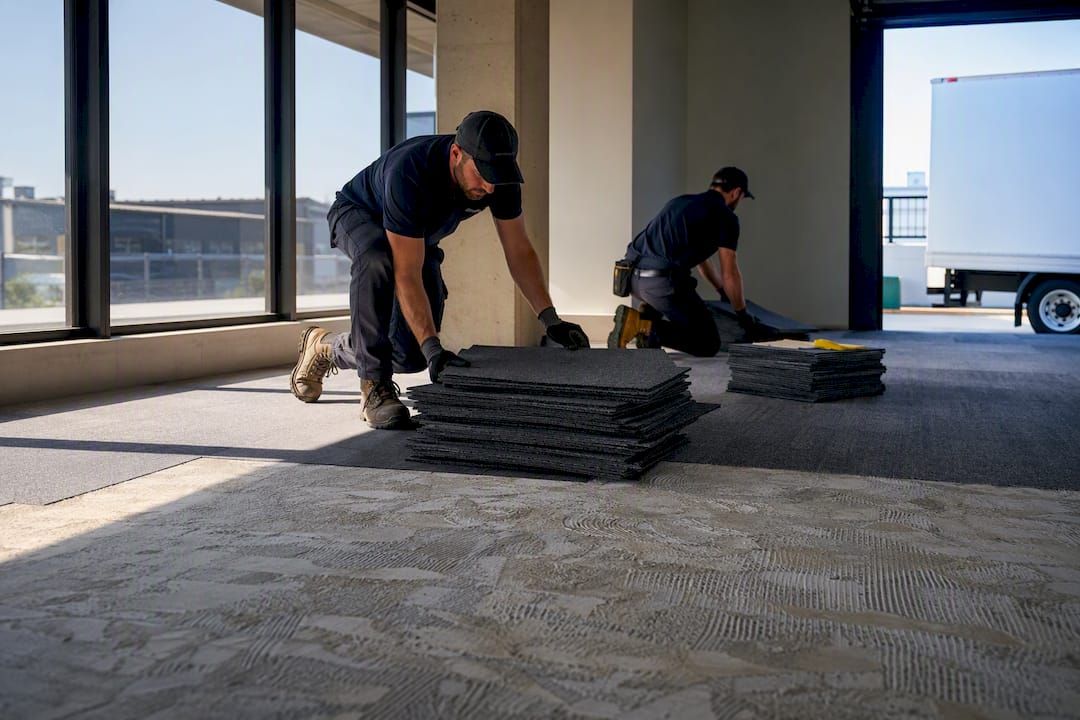
Carpet tile removal cost varies depending on scope, with straightforward tile lifting at the lower end of market rates and full strip-outs involving adhesive removal, grinding, and disposal costing significantly more. A mid-sized office floor typically costs several thousand dollars once disposal and access are factored in. Asbestos risk, restricted lift access, and landfill levies are the variables most likely to shift that figure, so any quote needs to spell out exactly what it covers.
TL;DR:
- Carpet tile removal costs can range from a few dollars per square metre for simple tile lifting to thousands for full strip-outs involving adhesive removal and grinding, depending on job complexity.
- Factors such as the presence of asbestos, restricted access, and waste disposal fees can significantly increase the final price, often by thousands of dollars.
- Proper pre-job checks like asbestos surveys, safe work method statements, and waste documentation are essential to avoid legal and safety risks that can halt work or incur fines.
- Disposal costs vary based on landfill levies, fuel surcharges, and recycling efforts, with a minimum 60% resource recovery target recommended for office strip-outs.
- When requesting quotes, property managers should require detailed scope, asbestos status, access assumptions, waste management plans, and clear pricing conditions to compare bids accurately.
Table of Contents
- What does carpet tile removal cost per square metre?
- What raises or lowers the carpet tile removal price?
- Which compliance checks matter before removal starts?
- How is disposal priced and what recovery rate should you expect?
- What should you require in a carpet tile removal quote?
- How Sydneycityrubbish handles carpet tile removal for commercial sites
- Sources
What does carpet tile removal cost per square metre?
Contractors price carpet tile removal in a handful of ways, and knowing which model you’re being quoted under is the first step to comparing bids properly.
Per square metre is the most common approach for straightforward jobs. Simple tile-lift work, where the tiles come up cleanly and the subfloor needs no further treatment, tends to fall in the lower price range for the removal component alone, according to flooring industry pricing. That figure covers lifting and stacking the tiles for disposal, nothing more.
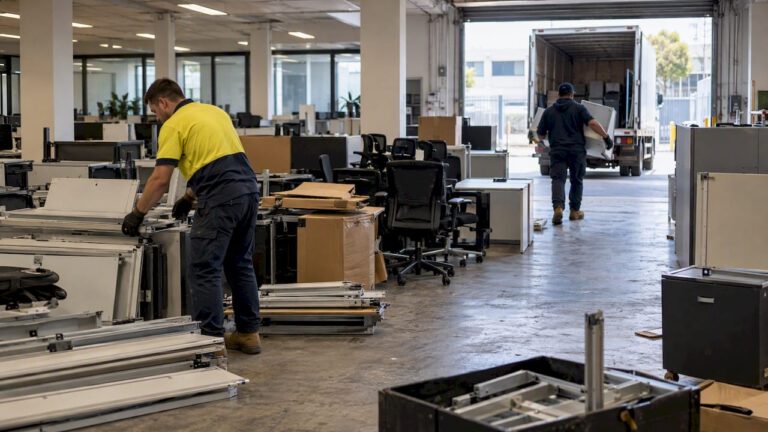
Full strip-out pricing looks very different. When a job includes adhesive stripping, floor grinding, asbestos checks and waste transport bundled together, industry guidance on commercial strip-outs indicates that commercial strip-out costs can vary widely depending on the project complexity, asbestos discovery, and access restrictions.
Two worked examples help ground this:
- A small meeting room of around 30 square metres with clean tile lift and no adhesive issues will have a removal cost consistent with straightforward tile lifting rates, plus a separate disposal fee.
- A 300 square metre commercial office floor, including adhesive removal, minor grinding and disposal, could cost a significant amount depending on access and the state of the subfloor.
Other pricing structures show up too. Lump-sum quotes bundle the whole job into one number, which suits property managers who want budget certainty but makes it harder to see where the money goes. Per-tonne disposal pass-through charges are common when the contractor separates removal labour from tipping fees, so you pay for waste weight rather than floor area.
Whichever model your contractor uses, ask what’s excluded. Adhesive removal, wet grinding for stubborn residue, asbestos testing and removal, and skip or bin hire are the line items most often left out of a headline rate, and they’re usually where the real cost hides.
What raises or lowers the carpet tile removal price?
A quote for carpet tile removal cost is never just about floor area. Several factors swing the final number by thousands of dollars on a single job.
- Access and lift restrictions. High-rise sites with a single goods lift or narrow loading dock commonly carry a 15 to 25% access premium, according to strip-out cost analysis, because crews spend more time moving material than removing it.
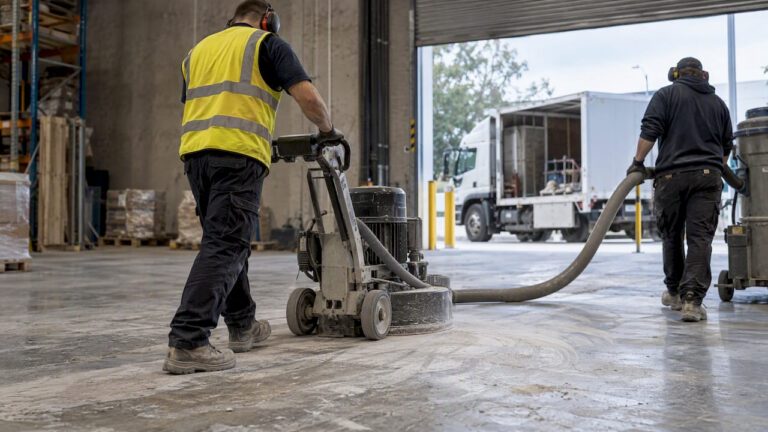
- Adhesive condition. Tiles glued down with old-style bitumen or heavily bonded adhesive often need wet grinding with vacuum extraction to control silica dust, which is a separate cost line from simple tile lifting.
- Asbestos risk. Buildings constructed or refurbished before the early 2000s may have asbestos-containing materials in old adhesives or backing, triggering licensed removal and clearance testing.
- Waste volume and density. Carpet tiles are bulky and can be heavy when saturated with old adhesive, and tipping fees scale with tonnage, not floor area.
- Scheduling and labour rates. After-hours or weekend work to avoid disrupting tenants typically attracts a labour premium on top of standard rates.
Pro Tip: Ask your contractor to quote access separately from removal labour. Bundling the two makes it almost impossible to tell whether a high price reflects genuine site difficulty or just a thin margin buffer.
Which compliance checks matter before removal starts?
Skipping the paperwork on a carpet tile removal job is how a straightforward strip-out turns into a stop-work order. Property managers should confirm the following before signing off on any contractor:
- A pre-demolition asbestos survey, mandatory for buildings where the age or construction history suggests asbestos-containing materials could be present in flooring adhesives. If any are found, licensed removal and a clearance certificate are required before work proceeds, as outlined in asbestos compliance guidance. Sydneycityrubbish’s guide to NSW asbestos disposal rules explains what property owners are legally required to check.
- A Safe Work Method Statement (SWMS) covering manual handling, dust generation and any chemical exposure from adhesive removal, since flooring work carries specific WHS obligations that a generic strip-out SWMS won’t cover.
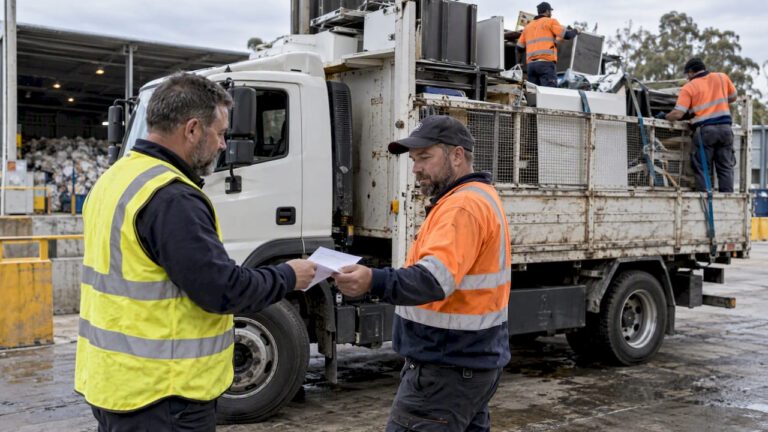
- Waste transfer notes and licensed disposal receipts written into the contract itself, not promised verbally, so you have an audit trail proving the waste went to a licensed facility.
Skip any of these and the risks compound quickly: a WorkSafe shutdown mid-project, fines for unlicensed asbestos handling, or a rework bill when undocumented waste can’t be accounted for during a strata audit.
How is disposal priced and what recovery rate should you expect?
Disposal is usually the part of a carpet tile removal cost that surprises property managers, because it’s charged separately from labour and driven by factors that have nothing to do with the floor itself.
Landfill levies and gate fees are the biggest lever. Commercial waste pricing data shows per-lift and per-bin rates vary by postcode and provider, with levies and fuel surcharges commonly itemised separately on the invoice rather than folded into a flat rate. That’s why two quotes for the same floor can differ by thousands of dollars even when the removal labour is priced identically.
Recycling streams are almost always the cheaper path. Carpet tile backing and some fibre types can be diverted from landfill, and the Better Buildings Partnership recommends a minimum 60% resource recovery target for office strip-outs, with contract templates to help hit it. Reaching that target isn’t automatic. It depends on the contractor actually segregating waste on site rather than sending everything to a mixed skip.
A few practical steps make recovery realistic:
- Ask for on-site segregation between carpet tiles, adhesive residue and general construction debris.
- Specify a recycling commitment in the contract, not just a verbal assurance.
- Confirm in writing whether tipping fees are included in the headline price or billed separately once the job is weighed.
What should you require in a carpet tile removal quote?
A comparable quote answers every question below before you sign. Use this as a checklist when sending out a request for quote:
- Scope of work, stating explicitly what’s included (tile lift, adhesive removal, grinding, disposal) and what’s excluded.
- Asbestos survey status, including whether a survey has been done, the result, and who arranges any licensed removal and clearance certificate.
- SWMS and WHS documentation, provided in writing before work starts, not after.
- Waste transfer notes and tipping receipts, written into the contract as a deliverable, supported by the kind of waste-reporting clause the Better Buildings Partnership recommends for tracking resource recovery.
- Access assumptions, stating lift size, loading dock hours and any surcharge trigger if access turns out more restricted than described.
- Payment terms and a variation process, so unexpected asbestos or adhesive issues get priced transparently rather than added as a surprise invoice line.
Red flags worth walking away from: a lump-sum quote with no scope breakdown, no mention of asbestos regardless of building age, or a contractor who can’t say where the waste is going.
How Sydneycityrubbish handles carpet tile removal for commercial sites
Some contractors quote carpet tile removal jobs on a straightforward truck-and-driver or per-project basis, with the scope, access assumptions and disposal pathway agreed before work starts rather than discovered on invoice day. Every job comes with documented waste transfer records, so property and strata managers have the paper trail auditors and building owners expect.
Some providers offer a carbon-neutral disposal opt-in through partnerships with environmental organizations, letting clients meet resource recovery expectations without chasing multiple contractors for compliance evidence. Crews typically aim to arrive on time, clear the site completely, and leave nothing behind for a follow-up call.
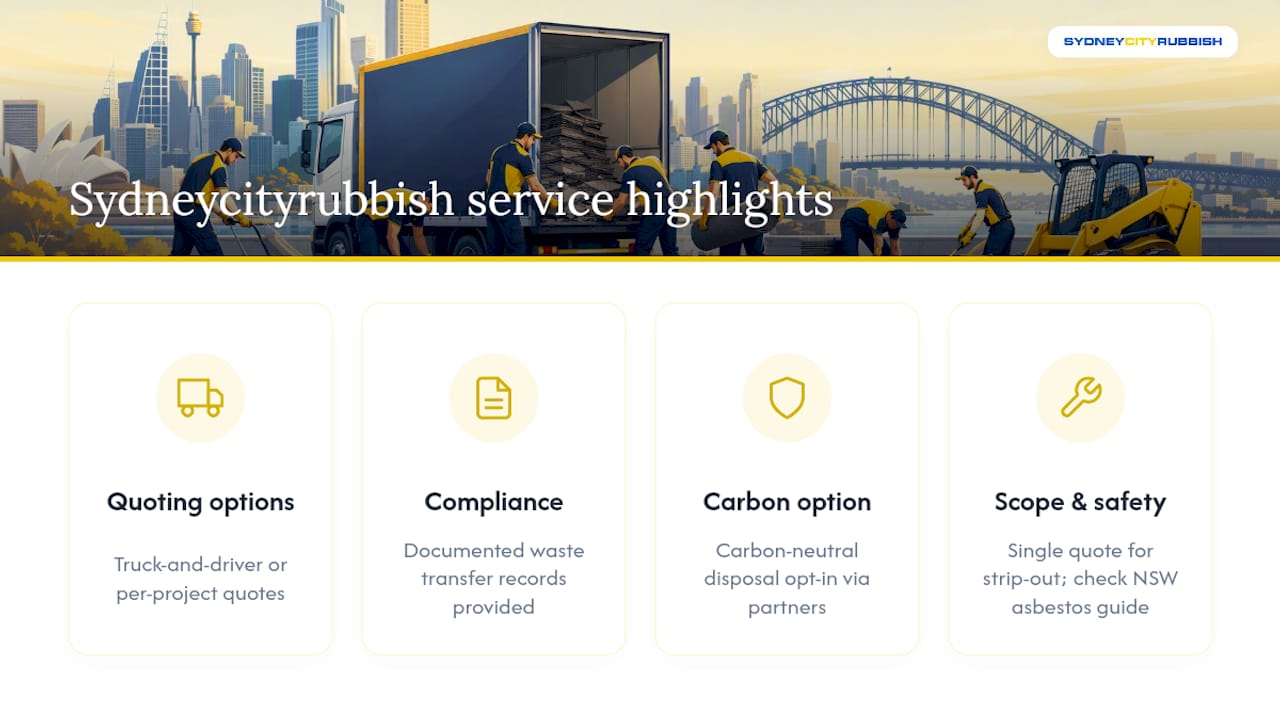
If you’re planning a broader office strip-out alongside the carpet removal, the demolition and strip-out services page covers how the two scopes combine under one quote. For sites where floor age raises asbestos questions, read the NSW asbestos disposal guide before you finalise your RFQ. When you’re ready to move, get a quote or contact the team directly to lock in a date and scope for your site.
Sources
- BBP stripout waste guidelines
- Commercial Strip-Out: Process, Cost & Timing | Gladison
- Floor covering removal SWMS | OneClickSWMS
- Commercial waste collection costs (BundleWaste)