Avoid After Hours Surcharges: Book Rubbish Removal for Sydney Businesses
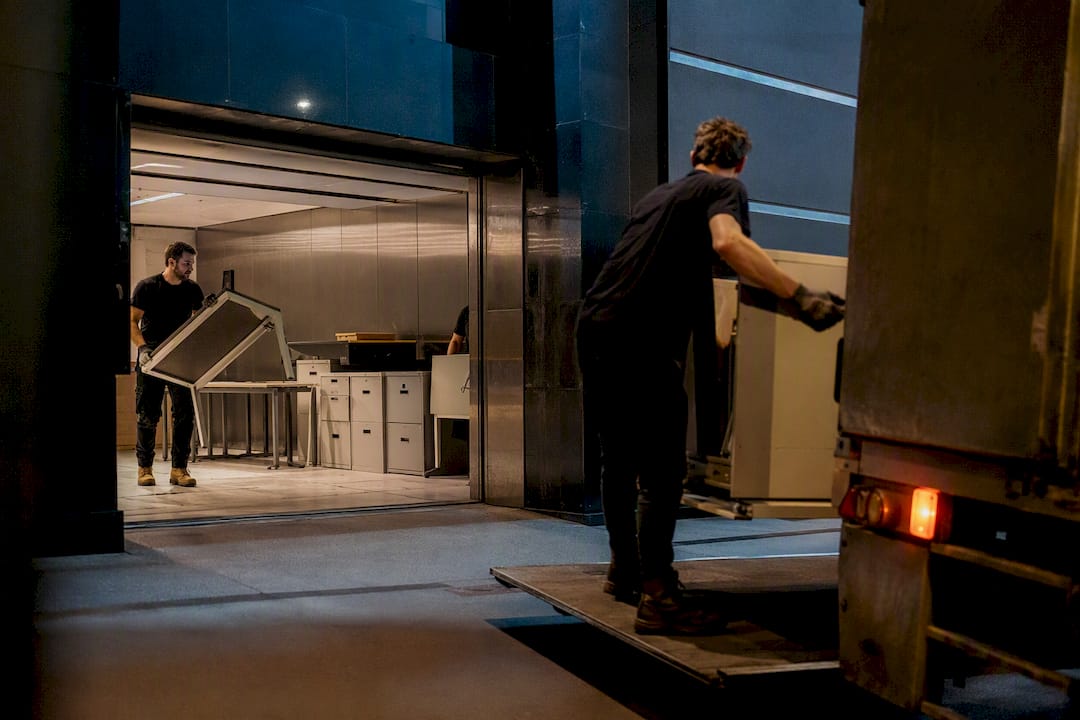
Yes, after-hours rubbish removal is widely available. Reputable operators run evening, weekend and same-day slots for household, office and construction waste, though hazardous materials and e-waste usually need pre-notification. For a Sydney office, retail fitout, or strata building needing a clearance outside trading hours, the fastest path is to list your items and call for a quote before you assume nothing can be done tonight.
TL;DR:
- Most after-hours rubbish removal covers bulky furniture, household waste, and light construction debris, but items like e-waste, chemicals, and gas cylinders require prior notice or licensed handling.
- Booking early in the day increases the likelihood of same-day evening pickup, and clear communication of item types ensures the correct truck and crew are dispatched quickly.
- Proper site preparation, including on-site contact, clear access, and labeling heavy items, significantly reduces delays and safety risks during collection.
- Pricing typically involves a base fee plus surcharges for late booking, weekend work, heavy items, or restricted materials, with itemized quotes preventing unexpected costs.
- Reputable providers segregate recyclables from waste, offer documented disposal routes, and coordinate with building management to minimize noise and access issues on collection night.
Table of Contents
- What does after-hours rubbish removal actually cover?
- How do you book and prepare for an after-hours pickup?
- What does after-hours rubbish removal cost?
- What should happen on the night of the collection?
- How do you make sure after-hours waste still gets recycled, not landfilled?
- Sydney City Rubbish: built for after-hours commercial work
- What does the after-hours booking process actually look like start to finish?
- Are there noise rules or permits for late-night rubbish collection?
- Book your after-hours pickup with Sydney City Rubbish
- Sources
- FAQ
What does after-hours rubbish removal actually cover?
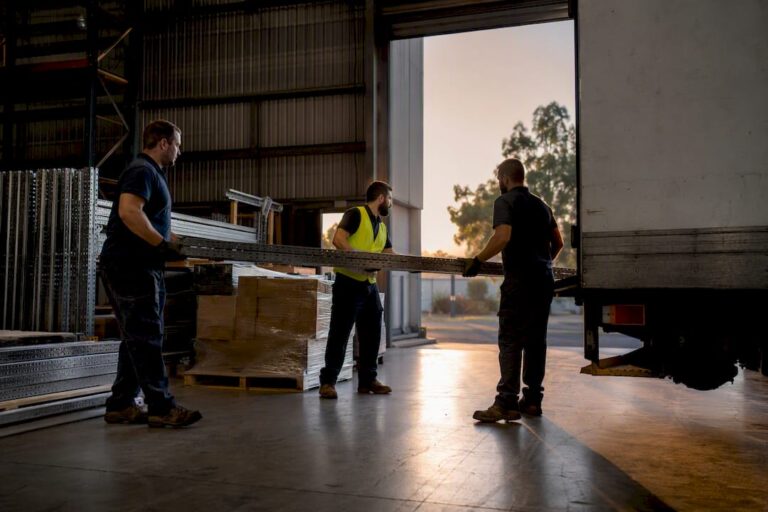
Most operators build their late and weekend runs around the same core categories they handle during the day. Bulky furniture, mattresses, general household waste, green waste, whitegoods, office fit-out debris and light construction material are all routinely collected outside standard hours. These are high-volume, low-risk loads that a two-person crew can shift quickly without special equipment.
Where it gets more complicated is anything that falls outside “general rubbish.” Certain items usually need special handling or advance notice before a truck turns up:
- E-waste (computers, monitors, servers) often needs separate processing rather than landfill disposal.
- Hazardous materials, including asbestos, chemicals and paint tins, require licensed handling and can’t be tossed into a standard load.
- Gas cylinders and pressurised containers need specific transport conditions for safety reasons.
- Fluorescent tubes and certain batteries fall under separate disposal streams in most states.
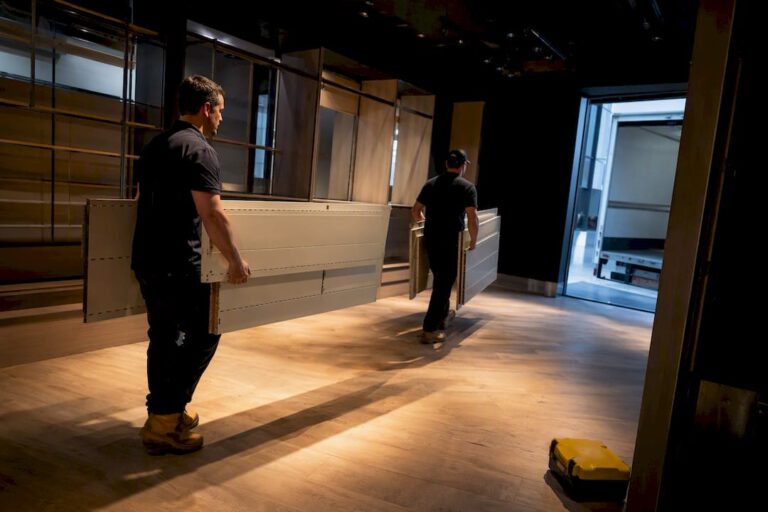
The scope also shifts depending on who’s booking. A residential job (a garage clean-out, a share house move) tends to be smaller and more predictable in volume. A commercial clearance, an office relocation or a retail fitout, usually involves more furniture and joinery, and often needs coordination with building management for after-hours lift access. Construction clearances sit at the far end of the scale: heavier debris, more volume per load, and a higher likelihood of restricted materials mixed in with general waste.
Council services, worth noting here, aren’t built for any of this. Council bulky waste collections run on fixed schedules a few times a year and typically won’t accept construction debris, whitegoods or e-waste at all, which is exactly why private after-hours removalists exist as a practical alternative for businesses that can’t wait for the next council cycle.
The one instruction that saves everyone time: always list your item types when you request a quote, not just a rough volume. A quote based on “a few things from the office” is a different job to one based on “12 desks, 3 filing cabinets, a photocopier and some cardboard.” Specificity up front means the crew arrives with the right size truck and the right number of hands, which is the difference between a 20-minute job and a delayed one. If you’re clearing office furniture and joinery, a dedicated office waste truck hire is worth mentioning when you call, since it changes what vehicle gets dispatched.
How do you book and prepare for an after-hours pickup?
Booking windows for evening and weekend slots tend to close earlier than people expect. Most operators prioritise their runs by the time the booking comes in, not by when you want the pickup, so a same-day request made at 2pm has a far better chance of landing in tonight’s schedule than one made at 6pm. Flexible scheduling built around trading hours, evenings and weekends included, is one of the clearest advantages a professional rubbish removal service offers a business that can’t have a truck idling in the loading dock during opening hours.
Here’s a practical sequence for getting an after-hours job booked and ready:
- Call or request a quote as early in the day as possible, even if the pickup itself is scheduled for that evening.
- Give a full item list and volume estimate rather than a vague description, so the crew brings the right truck.
- Confirm access details: lift codes, loading bay location, parking restrictions, and whether a concierge or security guard needs to be notified in advance.
- Nominate an on-site contact who can meet the crew or grant access if you won’t be there yourself.
- Prep the site before the crew arrives: bag loose small items, secure bin lids, clear a path from the collection point to the truck, and put down protection on floors if the route runs through a lobby or carpet.
- Label anything unusually heavy (safes, industrial equipment, stone benchtops) so the crew can plan lifting safely rather than discovering it mid-carry.
Pro Tip: Send a photo of the pile when you book. A two-second phone photo resolves more scheduling disputes than a five-minute phone description ever will, and it lets the operator confirm truck size before they’re standing in your car park.
Access is usually the single biggest cause of delay on after-hours jobs. A crew that turns up to a locked loading dock with no one answering calls has effectively wasted the trip, and that cost tends to land back on the client in some form. Sorting keys, codes and a named contact person the night before removes almost all of that risk.
What does after-hours rubbish removal cost?
Pricing for after-hours work follows the same underlying models as daytime jobs, with premiums layered on top for the inconvenient timing. The base structure is usually one of: a fixed price per truckload or per cubic metre of volume, a tiered price based on how full the truck is, or a labour-plus-disposal fee where you’re charged for the crew’s time and the tip fee separately. Most operators also apply a minimum charge, so a single mattress collected at 9pm might cost close to the same as a small trailer load.
On top of that base price, after-hours jobs commonly attract:
- A late-night or urgent-booking surcharge for jobs squeezed into the evening’s last run.
- A weekend rate, which is often higher than a weekday evening slot.
- A call-out fee for jobs booked with very little notice.
Late or urgent bookings frequently attract premium fees on top of standard volume and labour charges, according to industry guidance on after-hours collection pricing, which is worth factoring in before you assume an evening slot costs the same as a mid-morning one.
The add-ons that quietly inflate a quote are usually access-related rather than volume-related: stair carries where there’s no lift, heavy single items needing two or more people to lift safely, long carries from a far parking spot to the truck, congestion or toll charges for inner-city jobs, and extra disposal fees if the load turns out to include restricted materials like e-waste or hazardous chemicals.
The way to avoid a nasty surprise on the night is to insist any quote itemises labour, disposal, travel and any surcharges separately before you confirm. A one-line “flat fee” quote sounds simple, but it hides which of those elements is doing the heavy lifting on price, and makes it harder to compare two providers fairly. Many operators advertise labour-included pricing as standard, meaning the loading and sweep-up is baked into the number you’re quoted rather than charged separately, so it’s worth confirming that upfront rather than assuming it. For a general sense of what commercial jobs run in Sydney, a rubbish removal price guide gives a useful benchmark before you start comparing quotes.
What should happen on the night of the collection?
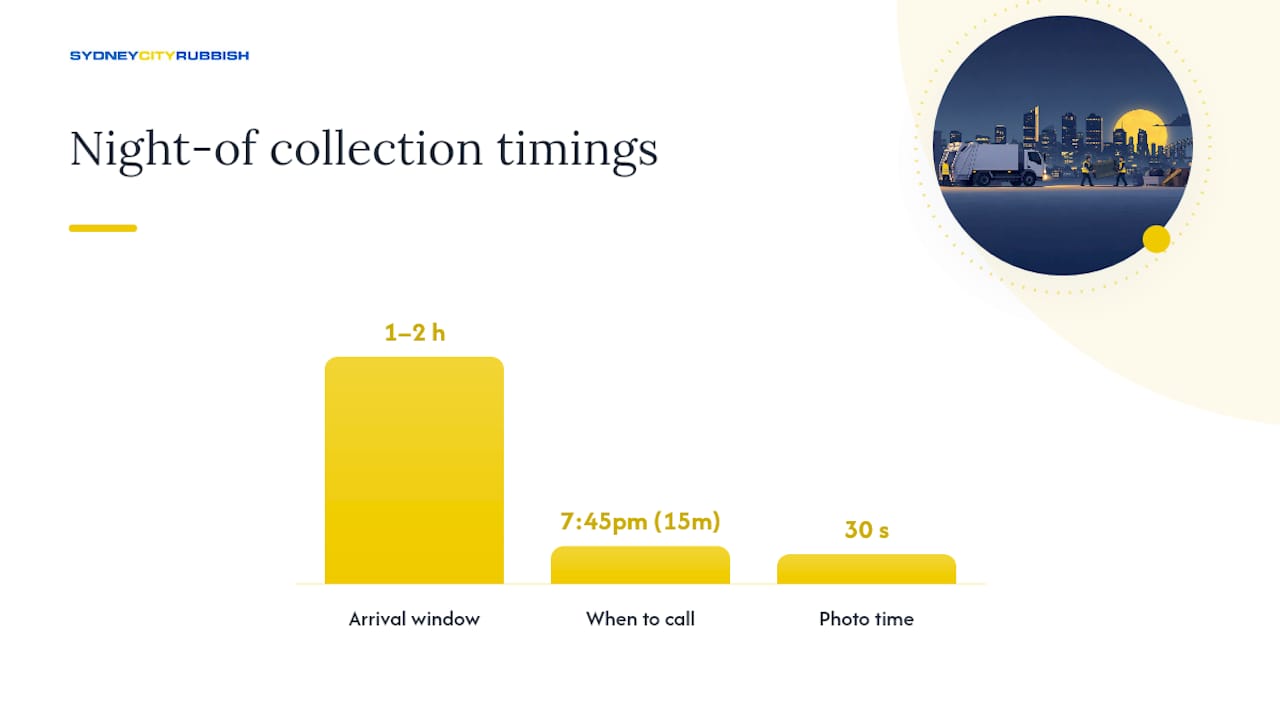
Reputable operators confirm an arrival window rather than an exact time, typically a one to two hour range, and most will text or call ahead when the crew is genuinely close. If you’ve been given a window of “6pm to 8pm” with no update by 7:45pm, that’s a fair point to call and check status rather than assume you’ve been forgotten.
The crew itself should be identifiable and equipped properly for the job:
- Uniformed or clearly branded crew with ID, not an unmarked ute with no company signage.
- Appropriate safety gear for the load, including gloves and back support for heavy lifting.
- Professional conduct on-site: no rushing through a shared lobby, no leaving debris in common areas.
Noise is a genuine consideration for late collections, particularly in residential buildings or mixed-use precincts. Good crews keep loading quiet where possible, avoid slamming tailgates repeatedly, and time noisy jobs (breaking down furniture, dragging metal) to avoid the latest part of the evening where they can. If you’re booking a strata building or an apartment complex, mentioning noise sensitivity when you call is reasonable and most operators will plan around it.
Before the truck leaves, ask for paperwork. A basic receipt is the minimum for any job. For larger commercial loads, request a waste transfer note or disposal confirmation showing where the material went. This matters more than it sounds. If your business ever needs to demonstrate compliant waste handling, whether for an audit, a lease exit condition, or simple due diligence, that piece of paper is the only proof the job was done properly.
Pro Tip: Photograph the site before the crew arrives and again once they’ve left. It takes thirty seconds and settles any dispute about pre-existing damage or incomplete clearance on the spot.
How do you make sure after-hours waste still gets recycled, not landfilled?
Booking outside standard hours doesn’t have to mean your waste skips proper sorting. Operators who take recycling seriously segregate loads at the point of collection or shortly after, separating timber, metal, e-waste and general waste rather than sending everything to one bin. Many partner with specific recyclers or charities for particular streams, and e-waste processors in Australia increasingly document exactly where old electronics end up, which matters if your business reports on sustainability outcomes.
Worth asking before you book, not after:
- Who are your recycling partners, and which materials do they take?
- Can you provide evidence of landfill diversion for this job?
- Do you separate e-waste for licensed processing rather than general disposal?
- Will I get a receipt confirming where the load went?
On your end, a bit of pre-sorting helps enormously. Set aside items in reasonable condition for donation rather than mixing them with genuine rubbish, keep e-waste and whitegoods in a separate pile, and label anything that needs specific handling. A guide to items that can’t be recycled is a useful check before you assume something will be diverted from landfill.
Be wary of anyone offering an unusually cheap after-hours job with no questions asked about item types, no branded truck, and no interest in where the waste goes. That combination is a common signal of illegal dumping rather than genuine disposal, and if a load you’ve paid to have removed later turns up dumped on public land, the liability can trace back to whoever commissioned the job. If something feels off, ask directly where the load is headed before the truck leaves your site.
Sydney City Rubbish: built for after-hours commercial work
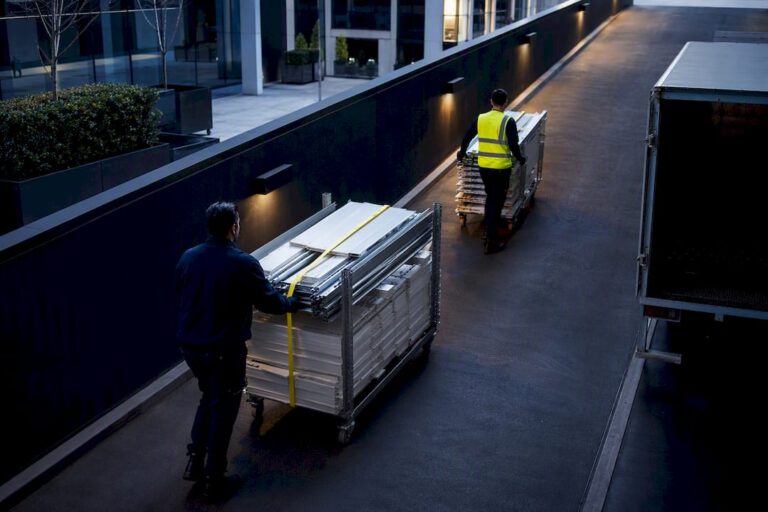
A professional rubbish removal service works with offices, retail spaces, construction sites and strata-managed buildings that need clearances done around trading hours, not during them. The service list covers general bulk rubbish removal, building strip-outs, makegood and de-fit work, furniture and joinery removal, and construction waste disposal, all of which come up repeatedly in after-hours commercial jobs.
Some rubbish removal providers offer a carbon-neutral disposal opt-in through partnerships with environmental organizations, giving businesses a documented, auditable disposal route rather than a vague assurance. That matters increasingly for corporate clients tracking ESG outcomes who need more than a verbal promise that waste was handled responsibly.
Some rubbish removal providers offer punctuality guarantees with compensation if the crew runs late, and coordinate directly with building management ahead of the job to sort lift codes, loading bay access and security sign-in, the exact access issues that cause most after-hours delays. Most professional rubbish removal jobs aim to finish with a full clean-up: no waste left behind, no debris trail through the building.
What does the after-hours booking process actually look like start to finish?
The sequence is straightforward once you know the order of operations. You call or submit a quote request with your item list, volume estimate and preferred time window, ideally earlier in the day rather than at the last minute. The operator confirms availability, gives you a price, and locks in an arrival window, usually a one to two hour range for evening slots.
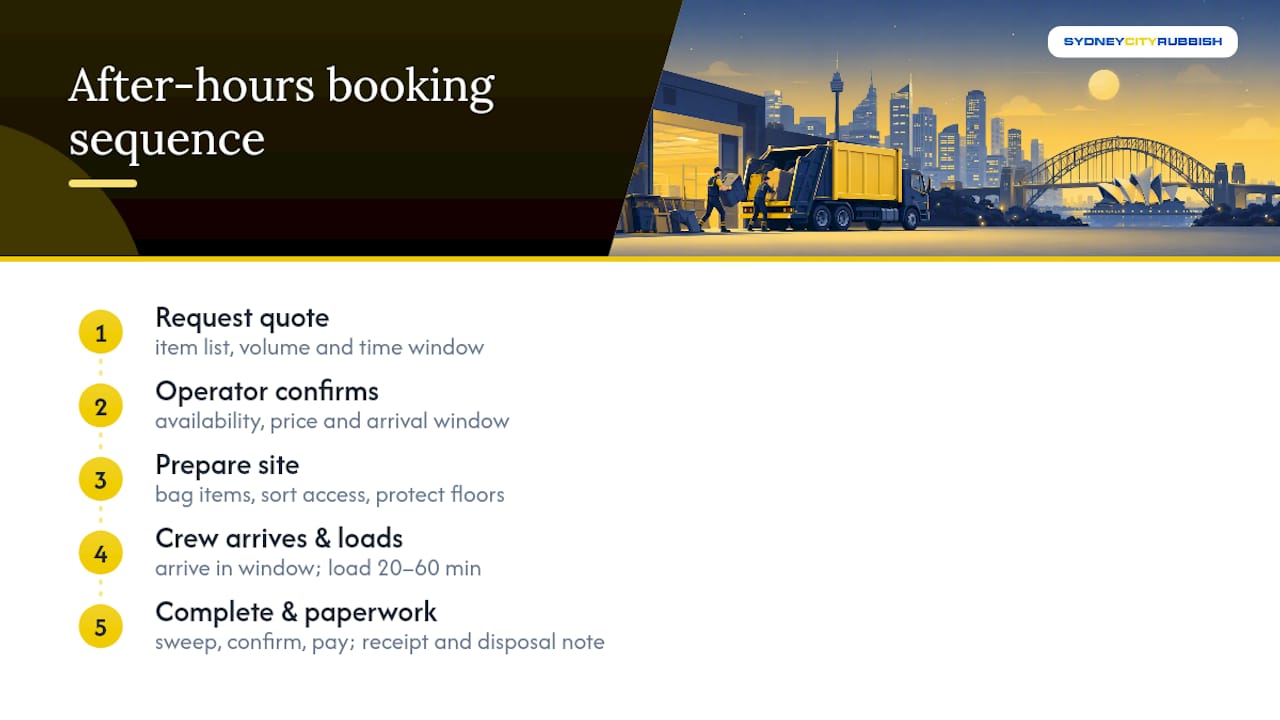
On the day, you or your nominated contact prepares the site: items bagged or gathered, access sorted, floors protected if needed. The operator typically sends a confirmation text or call as the crew gets close. The crew arrives within the confirmed window, assesses the load against what was quoted, and gets to work loading, which for a standard office or residential clearance usually takes somewhere between 20 minutes and an hour depending on volume and access.
Once loading is done, the crew sweeps the collection area, confirms with you that everything agreed has been taken, and processes payment, often on the spot via card or online. You should receive a receipt immediately, and for larger commercial jobs, a follow-up disposal confirmation or waste transfer note within a day or two. The whole process, from the initial call to a clean site, can realistically happen within the same evening for most household and office-scale jobs, which is the entire point of booking after-hours rather than waiting for a standard daytime slot.
Are there noise rules or permits for late-night rubbish collection?
Most residential and mixed-use areas have local noise restrictions that apply after a certain hour, generally targeting activities like loud machinery, repeated banging, or reversing trucks in quiet zones late at night. A reputable removalist plans around this by scheduling the noisiest parts of a job (breaking down furniture, dropping metal items) earlier in the evening window rather than right on the boundary of quiet hours.
Permits aren’t usually required for a standard rubbish removal truck making a single evening or weekend pickup. Where they can become relevant is heavier commercial or construction work involving parked trucks blocking a street, skip bins left on a footpath overnight, or council roads needing temporary access arrangements. If your after-hours job involves any of that, it’s worth checking with your local council or building manager beforehand rather than assuming a standard booking covers it.
Safety compliance on the crew’s side matters too. Look for a company that turns up with properly equipped staff, appropriate lifting gear for heavy items, and clear identification, rather than an unbranded vehicle with no visible safety standards. For strata buildings and apartment complexes specifically, flagging noise sensitivity and any building-specific access rules when you book avoids most friction on the night.
Book your after-hours pickup with Sydney City Rubbish
If you’ve read this far because you need something gone tonight or this weekend, the practical next step is simple: call and get a quote before you assume it can’t be done. Sydneycityrubbish takes after-hours commercial jobs across offices, retail spaces and construction sites, and offers the carbon-neutral disposal opt-in through Carbon Neutral for businesses that need a documented, sustainable disposal route rather than a generic promise.
To get moving, request a quote through the commercial waste removal Sydney page, or call directly if your job is genuinely urgent. Have your item list ready (be specific, not vague), your access details sorted (lift codes, loading bay, parking, on-site contact), and your preferred time window in mind before you call. That handful of details is usually all it takes to get a same-day or evening slot confirmed, with punctuality backed by a guarantee and a crew that leaves the site properly cleaned up, not just emptied.
Sources
- The Benefits of Professional Rubbish Removal for Sydney Businesses
- Why Your Business Needs Regular Rubbish Removal Services
- Junk
FAQ
Is there a minimum charge for after-hours rubbish removal?
Yes, most operators apply a minimum charge regardless of load size, since a crew and truck still need to be dispatched even for a single item. The exact figure varies by provider and job type, so always ask for it upfront when you request a quote.
Can you get same-day rubbish removal in the evening?
Yes, many operators offer same-day evening slots, particularly if you call earlier in the day rather than at the last minute. Providers commonly advertise extended operating hours covering early morning through to late evening, which supports genuine same-day booking.
Is there a free way to get rid of junk?
Councils sometimes offer free bulky waste collections a few times a year, but these are infrequent, scheduled well in advance, and typically won’t take construction debris, whitegoods or e-waste. For anything urgent or outside those categories, a paid private after-hours service is usually the realistic option.
How much does Sydney City Rubbish charge for after-hours removal?
Sydneycityrubbish doesn’t publish a fixed after-hours rate online, since pricing depends on volume, access and item type. Current pricing is available by requesting a quote directly through the commercial waste removal Sydney page.
Do I need to sort my rubbish before an after-hours pickup?
Sorting isn’t strictly required, but separating e-waste, whitegoods and donation-worthy items from general rubbish makes recycling and donation far more likely. Ask your provider about their recycling partners and landfill diversion practices before the crew arrives.