Kitchen renovations can be exciting, but they also generate a significant amount of waste. Unfortunately, much of this material ends up in landfill, even though a large portion of it can be reused or recycled.
By taking a little extra care during the demolition process, you can drastically reduce the environmental impact of your project. Whether you’re managing your own kitchen strip-out or hiring professionals, separating materials as you go can lead to better outcomes for both you and the planet.
At Sydney City Rubbish, we provide kitchen strip outs for businesses of all shapes and sizes, as well as households. In this guide, we’ll explain how to manage your kitchen demolition waste sustainably, including what materials can be reused or recycled, and how a professional rubbish removal service can make the process easier.
Get a free quote now for kitchen demolition in Sydney.
Why waste separation matters
The first step to reducing landfill during a kitchen renovation is simple: separate your waste. By sorting materials into distinct piles—such as tiles, timber, metal, and joinery—you improve the chances of those items being recycled or repurposed.
Waste separation not only helps the environment but also makes disposal faster and cheaper. Recycling centres often charge less to take sorted materials. Plus, some waste items, like metals or quality timber, may have value on the second-hand market.
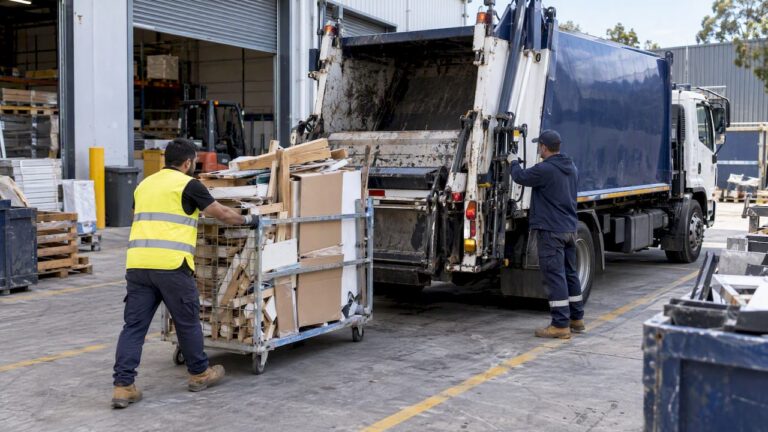
Hiring a professional kitchen strip-out and rubbish removal service can also help. Experienced providers know how to dismantle kitchen fixtures with care, sort materials quickly, and ensure waste ends up in the right place.
Tile waste
Ceramic, porcelain, or stone tiles are common in kitchens and often contribute heavily to demolition waste. When removing tiles, it’s best to place them in a separate pile or container to keep them clean and uncontaminated.
If you have the time and tools, consider removing the tiles carefully to keep them intact. Whole tiles can often be reused in other areas of your home, donated to community projects, or sold online. Even broken tiles can be used in mosaic projects or landscaping.
If reuse isn’t an option, many recycling facilities in Sydney accept tiles, especially when separated from other debris. A rubbish removal company that specialises in sustainable practices can also take these materials directly to the appropriate facility.
Timber and wood waste
Wood waste is another major component of kitchen demolition. Cabinet framing, skirting boards, shelving, and flooring can all be made from different types of wood, ranging from engineered products to hardwood.
The condition and type of wood determine how it can be recycled. Some timber can be chipped for mulch or landscaping. Other pieces can be reused in carpentry projects or even in your new kitchen build.
Separating wood waste is key to determining its reuse potential. Avoid mixing timber with general rubble or plasterboard, as this may render it non-recyclable. A reputable rubbish removal company can assess and sort wood waste by grade, ensuring each piece is handled responsibly.
Joinery and cabinetry
If your existing kitchen joinery is still in fair condition, consider removing it carefully for reuse. Entire cabinets can sometimes be repurposed in laundry rooms, garages, or storage sheds.
Even if you don’t plan to use the joinery again, second-hand kitchen components can be valuable to someone else. Listing the items online or donating them to a community organisation keeps them out of landfill and supports circular economy practices.
For cabinetry that’s no longer usable, separating it from other waste materials will make it easier to break down and recycle. Many facilities can handle chipboard and MDF when kept clean and dry. Alternatively, a professional rubbish removal team can disassemble, collect, and sort the cabinetry on your behalf.
Fixtures and fittings
Kitchen taps, sinks, handles, and other fixtures are often made of recyclable metals such as brass, copper, or aluminium. These materials are in high demand in the recycling industry and may even have some cash value at metal recycling centres.
During your strip-out, set these items aside in a clean, dry container. This makes it easier for waste handlers or removal services to process them properly. Even old plumbing fittings or light fixtures may be accepted by recycling programs.
For a fast and responsible solution, engage a rubbish removal company that offers recycling sorting as part of their service. They’ll ensure these valuable materials avoid landfill and are sent to the right facility.
Appliances and whitegoods
Kitchen renovations often involve removing old ovens, cooktops, rangehoods, and dishwashers. These bulky items should never go to general waste, as they contain metals, wiring, and sometimes refrigerants that are harmful to the environment.
Instead of dumping them, consider donating working appliances to a local charity or resale organisation. If the item no longer works, look for a whitegoods recycling program in your area. Many councils in Sydney offer free drop-off or scheduled collections.
Alternatively, many rubbish removal companies will collect and responsibly dispose of appliances, ensuring they are dismantled and recycled appropriately.
Let a professional rubbish removal company handle it
Managing your own demolition waste can be time-consuming and messy, especially when you’re trying to coordinate a renovation. That’s where a professional rubbish removal service makes a real difference.
From kitchen demolition waste sorting to appliance collection and transport to recycling centres, a dedicated team can handle the process from start to finish. Some companies even offer same-day pickups and clean-up, which helps you keep your project on track without compromising on sustainability.
Look for a Sydney-based rubbish removal service that specialises in construction and renovation waste, including kitchens. A good provider will not only remove your rubbish but also maximise recycling and minimise what ends up in landfill.
Speak to our team today about your kitchen demolition project
Reducing waste during your kitchen demolition doesn’t have to be difficult. By separating tiles, timber, fixtures, and cabinetry, you create opportunities for reuse and recycling. These small actions help protect the environment and often lead to cost savings. We can handle the whole project, or simply help get rid of your waste.