Internal Demolition Permits in Sydney: What Approval You Need
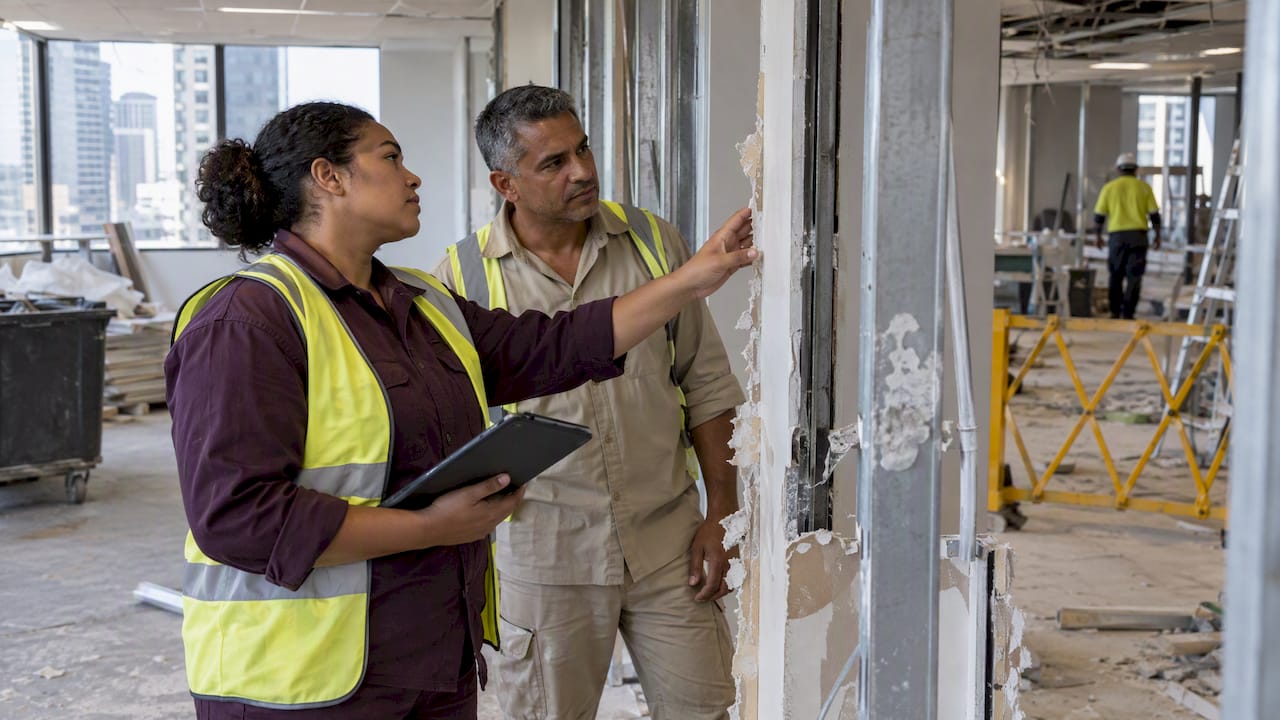
Whether internal demolition in Sydney needs a permit depends on what you are removing, the age and location of the building, and who owns or controls the space. Some minor work is exempt, much of it can proceed under a complying development certificate (CDC), and anything outside those rules needs development consent from the council. Strata and landlord approval sits on top of all of this.
By the Sydney City Rubbish team. Updated November 2026.
This guide is written for property managers, strata managers, office and retail tenants and construction firms who are planning a strip-out, makegood or fit-out removal. It explains the approval pathways in plain terms, the checks that come before the first wall comes down, and how waste removal fits into the plan. Planning rules change, so confirm the current position with your council or a private certifier before you commit to a program.
TL;DR
- Internal demolition may be exempt, may proceed under a CDC, or may need a development application (DA), depending on the scope and the building.
- In a heritage conservation area, only specific elements, such as the internal walls of a house, can be demolished under complying development standards.
- In a strata building, minor renovations need permission from the owners corporation, and major renovations need a special resolution.
- Before work starts you need a waste management plan, asbestos checks for older buildings, disconnected services and, in many cases, written notice to neighbours.
- Work done without the required approval can lead to an order to return the property to its previous state.
Table of Contents
- Does internal demolition need approval in Sydney?
- The three approval pathways
- Heritage buildings and structural walls
- Strata, landlord and building-owner consent
- Documents and checks to prepare before work starts
- Asbestos and safety requirements
- What happens if you demolish without approval
- How waste removal fits into an approved demolition job
- A practical sequence for a Sydney internal strip-out
- FAQ
- Sources
Does internal demolition need approval in Sydney?
Often yes, but not always in the form people expect. In the City of Sydney area, you may need development consent to change a home or business site. The same guidance explains that the City and the NSW Government approve development in the local area, and that some work is exempt, some can use complying development, and other work requires development consent.
That three-way split is the key to the whole question. A tenant removing a lightweight partition in a commercial suite is in a very different position from an owner knocking out masonry walls to open up a floor plate. The first may be a minor matter handled through the building owner. The second may involve structural engineering, a certifier and a formal approval.
Two practical points apply from the start.
First, “internal” does not mean “unregulated”. Even where no council approval is needed, the work still has to comply with the demolition standard, the rules on asbestos and the requirements of your lease or strata scheme.
Second, where development consent is required, the paperwork does not stop at the consent. A construction certificate is required before building work commences for work that involves development consent, and a certificate obtained too late can be treated as invalid. Sequence matters.
The three approval pathways
Exempt development
The NSW demolition rules allow some work to proceed without any application. Demolition may be exempt development if it is a minor building or structure that could be constructed or installed under the policy. In practice this covers small, low-risk elements. If you are unsure whether your scope fits, treat it as not exempt until a certifier or the council tells you otherwise. Guessing is the most common way projects end up in trouble.
Complying development
For most other demolition, the usual route is faster than a DA. You can usually demolish other buildings and structures under a complying development certificate issued under the Demolition Code. A CDC is issued by the council or an accredited private certifier, and it is only available when the proposal meets every standard in the code. If one standard cannot be met, the CDC is off the table.
This is where building age matters. For buildings constructed before 1987, the same rules say a CDC can be approved only if asbestos can be safely removed by a licensed contractor in line with the Work Health and Safety Regulation 2017. We return to that in the safety section below.
Development application
When the work is not exempt and does not qualify for a CDC, you lodge a DA with the council. In the City of Sydney area the council publishes guidance on how to prepare one, and the process includes assessment, possible requests for more information and a determination. A DA takes longer than a CDC, so build it into your program early. For an end-of-lease or makegood deadline, that lead time can decide whether you hand back the premises on time.
Heritage buildings and structural walls
Heritage status changes the answer. In a heritage conservation area, only specific elements, such as the internal walls of a house, can be demolished under complying development standards. Anything beyond those listed elements is outside the shortcut and needs a different approval path. Many older Sydney commercial buildings, particularly in the CBD, Ultimo, Surry Hills and Parramatta, sit in or beside heritage areas, so check the heritage status of the building before you design the scope.
Load-bearing walls need the most care. The research and planning rules we have reviewed do not give a blanket answer for structural walls, because it depends on the building and the engineering. What we can say is this: removing anything that carries load should be designed by a structural engineer, assessed by your certifier before work begins, and carried out in the sequence the engineer specifies. Temporary propping is often part of that sequence. A certifier or the council can tell you which approval pathway the structural element falls under.
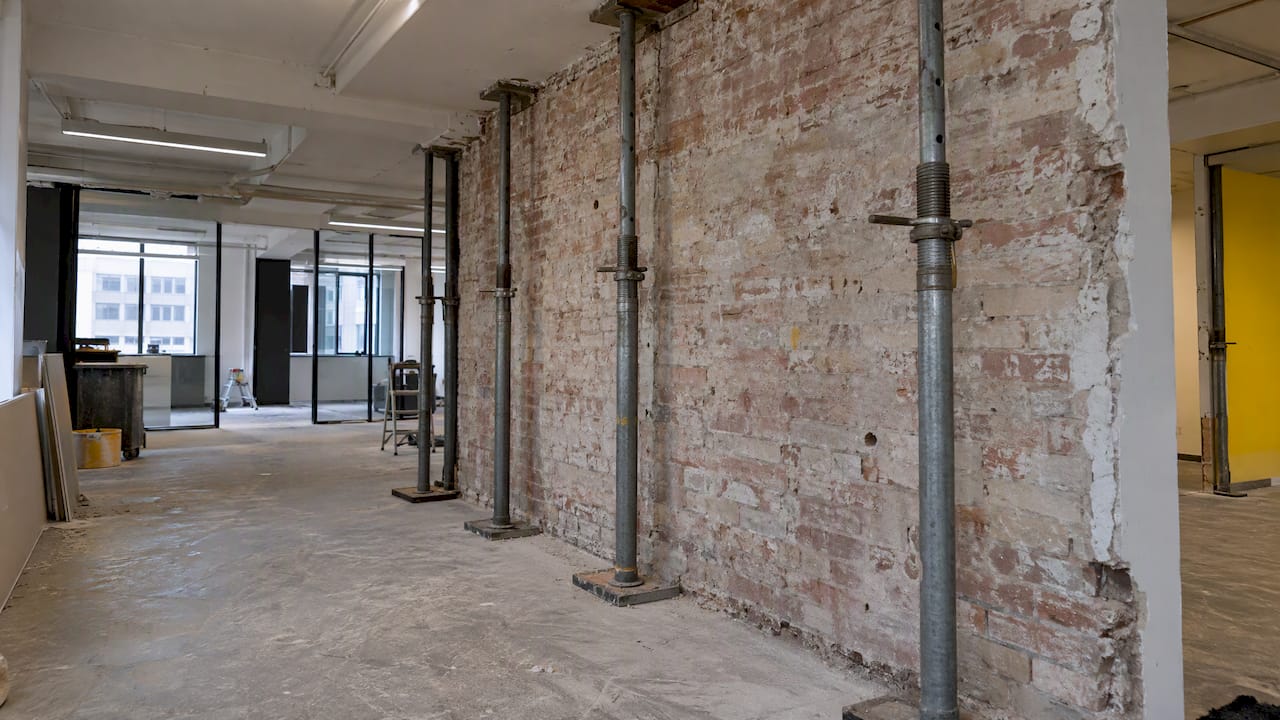
If your building is heritage listed, ask the council about the listing before you spend money on design drawings. A short pre-lodgement conversation can save weeks.
Strata, landlord and building-owner consent
Council approval is only half of the permission picture. If you are in a strata-managed building, the owners corporation has its own say. Under the NSW strata renovation rules, minor renovations need permission and more than 50% of votes cast in favour, while major renovations need approval by special resolution, with no more than 25% of votes against.
The same guidance notes that major renovations can only be approved by the owners corporation, and that renovations affecting common property may require a by-law change. That matters for internal demolition because walls between lots, structural elements and services riser penetrations often fall into common property.
For a commercial tenant the pathway is usually through the lease. Most commercial leases require the landlord’s written consent for alterations and set make-good obligations at the end of the term. Property managers should keep the following together on file:
- the landlord or owners corporation approval, in writing;
- the council or certifier approval;
- the scope drawings and any engineering advice;
- the waste and asbestos documentation.
Building management also controls practical access. Loading dock bookings, lift protection, after-hours noise windows and contractor inductions all need to be agreed before the first day on site. We coordinate directly with building management on these matters so the crew arrives with the access it needs.
Documents and checks to prepare before work starts
Good preparation shortens approval and prevents stop-work situations. Most projects need the following in some form.
A waste management plan. Under the NSW rules, you must submit a waste management plan to the principal certifying authority at least 2 days before work begins on site. The plan sets out what materials will come out, what will be reused or recycled and where the rest will go. It is much easier to write when your waste contractor has seen the scope. Our guides on managing your construction waste and separating waste in construction and demolition explain how streams are normally split.
Contractor details. For larger demolition, such as buildings over 6 m, documents you may need include the contractor’s licence and insurance details. Even on smaller internal jobs, certifiers and building managers commonly ask for insurance certificates, so have them ready.
Neighbour notice. After a DA or CDC is approved, you must notify neighbours within 20 m of the lot boundary in writing before demolition, and metropolitan neighbours must receive at least seven days’ notice. For a tenancy inside a larger building, ask your certifier how that requirement applies, and tell the other tenants and the building manager as a matter of courtesy regardless.
Service disconnection. Electrical, gas, water and data services in the work area need to be isolated. Under the demolition rules, essential services must be disconnected in accordance with the relevant authority’s requirements. In a commercial building that usually means a coordinated shutdown arranged through building management, with fire services kept live wherever possible.
Scope and sequence. Write down exactly what comes out: ceilings, partitions, floor finishes, joinery, cabling, wet areas. A clear scope helps the certifier, the waste contractor and the quoting process.
Asbestos and safety requirements
Safety is not optional paperwork. All demolition work must be carried out in accordance with Australian Standard AS 2601–2001, The Demolition of Structures, and that standard covers planning, hazard identification and safe methods of work.
For older premises, asbestos is the issue that most often changes a program. As noted above, for buildings constructed before 1987 a CDC can be approved only if asbestos can be safely removed by a licensed contractor under the Work Health and Safety Regulation 2017. In practical terms, that means commissioning an asbestos inspection of the area before design is finalised, and using a licensed contractor for any asbestos that is found. Do not allow general demolition labour to disturb suspect ceiling tiles, fibre-cement sheeting, vinyl floor tiles or lagging.
The sensible order is:
- inspect and test suspect materials;
- remove any asbestos through a licensed contractor;
- obtain clearance where required;
- start the general strip-out.
Heavy materials also need handling plans. On larger strip-outs, mechanical aids matter: a piece on the role of a telehandler onsite shows how lifting equipment moves bulky material around a site safely. In a tenancy, the equivalent is often trolleys, floor protection and lift padding, agreed with building management in advance.
Hazardous materials such as e-waste, fluorescent tubes and treated timber need their own disposal route. We handle these through registered recycling partners rather than mixing them into general loads.
What happens if you demolish without approval
The consequences are real. If internal demolition is carried out without the required approval, the City of Sydney may be unable to authorise the work retrospectively and may issue an order to return the property to its previous state.
For a tenant, that can mean rebuilding walls you have just removed, at your own cost, while the lease clock keeps running. For a strata manager, it can mean disputes with owners and insurers. For a contractor, it can mean reputational damage and delay. The cost of checking first is small beside the cost of reinstating.
The lesson is simple: get the approval pathway confirmed in writing before you book demolition crews or waste trucks.
How waste removal fits into an approved demolition job
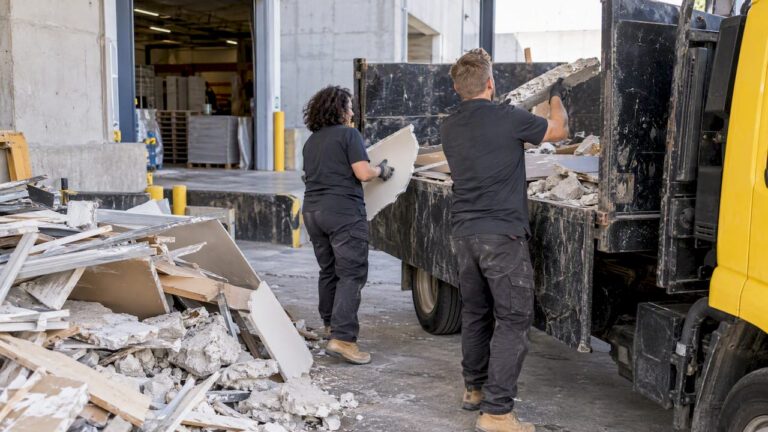
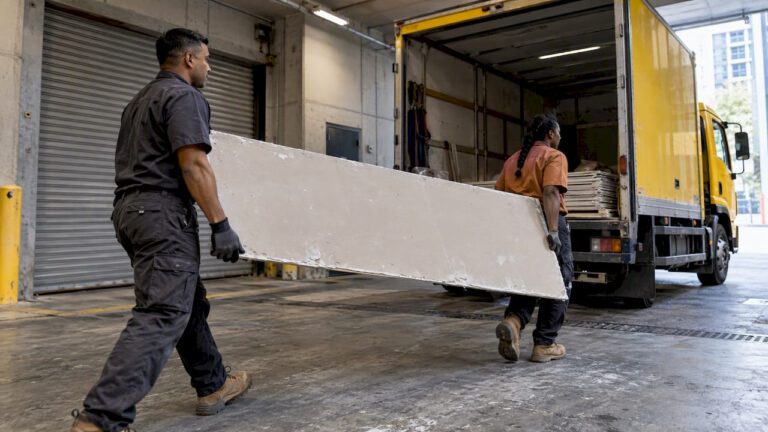
Approvals decide whether you can demolish. Waste planning decides whether the job runs smoothly once you can. Demolition produces a lot of material in a short time: plasterboard, ceiling grid, carpet tiles, timber framing, joinery, glazing, cabling and sometimes concrete. If trucks are not scheduled to match the strip-out, the floor fills with debris, access routes block and the building manager starts calling.
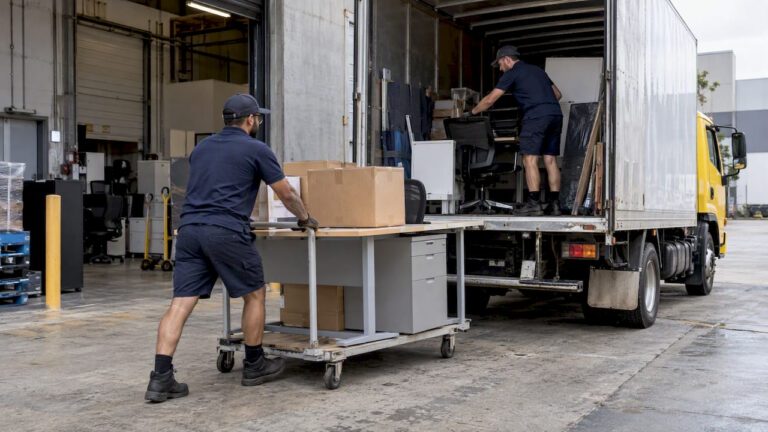
Sydney City Rubbish works with corporate offices, retail operators, construction firms, strata managers and property managers across Sydney. Our services include building strip-out and demolition, makegood and de-fit, furniture and joinery removal, floor finish removal and concrete grinding and cutting, as well as truck and driver hire. For the waste itself, our construction waste disposal service uses registered recycling partners, and clients can opt in to carbon-neutral waste management.
We do not issue approvals, and your certifier or council remains the authority on those. What we do is work from your approved scope, coordinate access with building management, give you fast electronic quotes and clean the area thoroughly when we finish. We also guarantee punctuality, with compensation if we are late.
If you are planning a strip-out and want the waste side confirmed before you lodge your waste management plan, get a free quote now.
A practical sequence for a Sydney internal strip-out
The order below suits most commercial and strata projects.
Start by defining the scope and checking the building. Confirm the age of the building, any heritage listing and whether structural elements are involved. This single step decides which approval pathway you are on.
Next, confirm consent from the landlord or the owners corporation. In strata buildings, allow time for committee meetings or general meetings if a special resolution is needed.
Then engage a certifier or the council to confirm whether the work is exempt, complying or needs a DA. Provide the scope and drawings. Ask which documents are required for your site.
Commission an asbestos inspection if the building predates 1987 or you have any doubt. Plan for licensed removal first when asbestos is present.
With the pathway known, finalise the waste management plan with your waste contractor, and book building access, lift protection and loading dock slots.
Finally, give notice to neighbours and other occupants as required, disconnect services, and start work. Keep your approvals, waste dockets and certificates on site, because certifiers and building managers may ask for them at any time.
For commercial clients across the CBD, North Sydney, Parramatta and Ryde, this sequence keeps programs predictable. Our pages for commercial demolition in Sydney and office rubbish removal in the CBD describe how we support it.
FAQ
Do I need a permit to remove internal walls in Sydney?
It depends on the walls, the building and its location. Some minor work is exempt, and other internal demolition can often proceed under a CDC issued under the Demolition Code. If the work does not meet those standards, you need development consent. Ask a certifier or your council to confirm in writing before you start.
Can I demolish internal walls in a heritage conservation area?
Only specific elements, such as the internal walls of a house, can be demolished under the complying development standards in a heritage conservation area. Other work generally needs a different approval. Check the heritage status with your council before you design the scope.
Do I need strata approval for internal demolition?
If the building is strata-titled, yes in most cases. Minor renovations need permission from the owners corporation with more than 50% of votes cast in favour. Major renovations need a special resolution, with no more than 25% of votes against. Work affecting common property may also need a by-law change.
What happens if I demolish without approval?
The council may be unable to approve the work after the fact and may issue an order to return the property to its previous state. That usually means rebuilding at your own cost. Confirm the pathway before any work begins.
Who handles the rubbish from internal demolition?
Your demolition contractor or a specialist waste contractor removes it, and the waste management plan should name the disposal route. We handle strip-out waste for commercial and strata clients across Sydney, and you can request a quote online.
Sources
- Development application process, City of Sydney
- Approvals needed for your building project, NSW Government
- Demolition of buildings: rules for exempt and complying development, NSW Department of Planning
- Strata renovation rules, NSW Government
- Demolish, MyHome Planner, NSW Planning Portal
- Building maintenance, City of Sydney
- The role of a telehandler onsite, TrueBrady