What is make good in a commercial lease exit?
Make good is the physical work, strip-out, repairs, cleaning and rubbish removal that returns a leased commercial space to the condition your lease requires before you hand back the keys. It is not a legal concept to interpret; it is a construction and waste project to plan and pay for.
The single most useful thing you can do right now is pull out your lease and get a contractor to review it before requesting any quote. Skipping that step causes most of the pain we see:
- Contractors quote against the wrong scope, then discover extra works mid-project and blow your budget.
- Landlords withhold part or all of the security deposit because the works don’t match the lease wording.
- Tenants overstay past the handover date, triggering holdover rent while trades finish late.
Sydney City Rubbish works alongside managers and tenants across commercial buildings as a managed partner for the strip-out, haulage and waste side of make good, so you’re not juggling five contractors during your final weeks on site.
Key Takeaways
Make good succeeds when the lease is reviewed before quoting, scope and strip-out are budgeted separately, and documentation is collected at every stage through to handover.
| Point | Details |
|---|---|
| Read the lease first | Get a contractor to review the actual lease clause before requesting any quote to avoid mis-scoped work. |
| Separate strip-out from make good | Budget these as two distinct phases, since strip-out often reveals conditions that change the reinstatement scope. |
| Budget with contingency | Expect $50–$350 per square metre depending on scope tier, plus 10–25% contingency for discovery items. |
| Collect documentation early | An incoming condition report, photos and signed scope acceptance protect your bond at handover. |
| Use a coordinated waste partner | Sydney City Rubbish manages haulage, waste reporting and carbon-neutral disposal alongside your other make good trades. |
Table of Contents
- What does make good include, and which scope applies to you?
- How does the make good process and timeline actually work?
- How do you choose a contractor for a make good project?
- What does make good cost, and how much contingency should you budget?
- What documentation do you need for handover and bond release?
- How a managed removal partner reduces make good risk
- Frequently asked questions
- Sources
What does make good include, and which scope applies to you?
Not every lease demands the same standard, and that difference drives your entire budget. Three scope types cover most commercial leases.
Basic make good usually means patching walls, removing signage, professional cleaning and reinstating carpet tiles or flooring to a presentable condition. Standard, or return-to-commencement, make good goes further: it restores the space to how it looked when you first took possession, which often means removing partitions, reinstating original ceiling grids, and repainting throughout. Full or base-building make good is the most demanding tier, stripping the tenancy back to the shell the landlord originally delivered, sometimes including removal of all mechanical and electrical fit-out added during the tenancy.
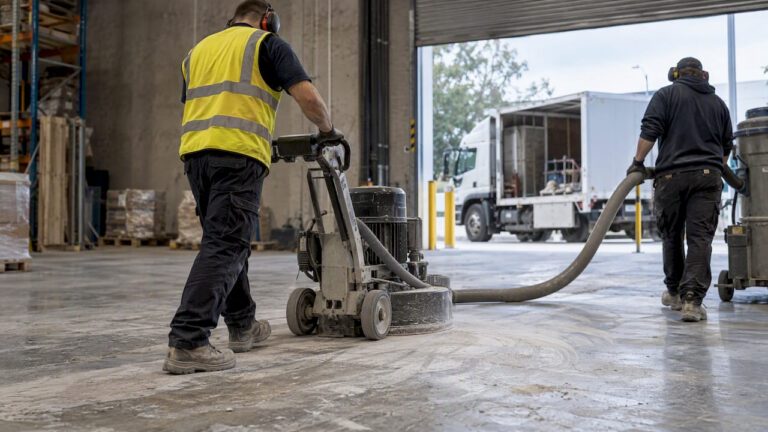
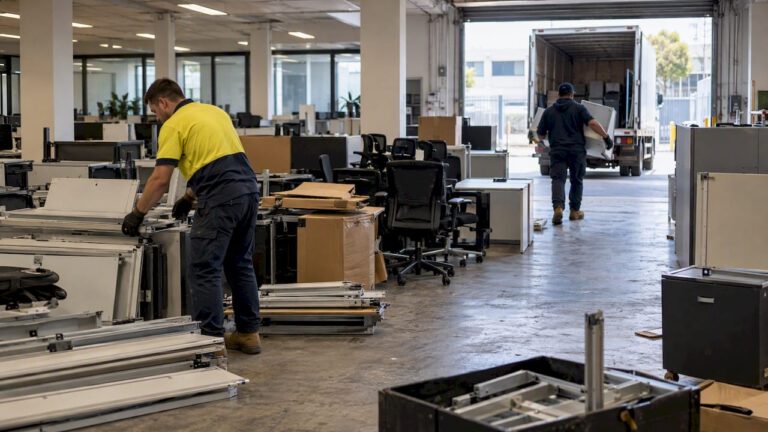
Strip-out and make good are two separate jobs, even though tenants routinely treat them as one. Strip-out is the demolition and removal phase; make good is the reinstatement that follows once the space is stripped bare. Budgeting them as a single line item is how tenants underquote projects, because strip-out often reveals concealed conditions that change what the make good scope actually requires.
Some items carry disproportionate cost and risk regardless of scope tier:
- HVAC systems and kitchen exhaust ductwork, which often require licensed mechanical contractors to disconnect and cap correctly.
- Slab penetrations from old data or plumbing runs, which need structural sign-off to patch safely.
- Specialised electrical switchboards and fire services, both of which usually require compliance certificates before handover is accepted.
Pro Tip: Get your contractor to walk the site and flag these high-risk items in week one, not week six. A slab penetration discovered during finishing trades can add days to your programme and hundreds of dollars per square metre to your bill.
How does the make good process and timeline actually work?
Work backwards from your lease expiry date, not forward from when you feel ready to start. A realistic programme looks like this:
- Three to six months out: review the lease clause, confirm the required standard with the landlord in writing, and start the walk-through and scoping process.
- Six to eight weeks out: get at least two contractors to quote against the lease-confirmed scope, not a guess.
- Two to eight weeks before handover: complete strip-out, then allow a short assessment window before finalising the make good scope, since strip-out often exposes conditions that change the reinstatement plan.
- Final week: certification, cleaning, waste removal, and the landlord walkthrough.
The sequence that avoids disputes runs: lease review, incoming condition report, contractor scoping, strip-out, make good, certification, then landlord walkthrough. Skipping the condition report is one of the more common ways tenants lose bond money they were otherwise entitled to keep.
On-site logistics matter more than most tenants expect. Loading dock bookings, after-hours work windows, building inductions and permits all need coordinating with the building manager well ahead of time, and in a multi-tenant tower those bookings fill up fast during peak lease-turnover months. Starting your planning three to six months before expiry gives you room to negotiate dock access before every other tenant on your floor is scrambling for the same slot.
How do you choose a contractor for a make good project?
The single biggest mistake tenants make is letting a contractor quote without reading the lease first. If a contractor is willing to price your make good off a phone call and a floor plan, that’s a red flag, not a shortcut. Industry guidance is consistent on this point: a contractor who hasn’t sighted the lease or the incoming condition report is quoting blind, and blind quotes turn into disputed variations later.
Before you sign anything, check the contractor holds:
- Current public liability insurance and workers’ compensation cover.
- Relevant trade licences for electrical, mechanical and any structural work involved.
- Waste-handling accreditation, particularly if the site involves hazardous materials like old fluorescent tubes or asbestos-containing sealants.
Insist your contractor requests the actual lease and any work letters before producing a fixed-price quote. A contractor that quotes blind will likely bury provisional sums in the contract or miss mandatory reinstatements that only the lease wording reveals.
When you’re comparing tenders, ask each contractor to spell out inclusions and exclusions line by line, not as a lump sum. Push for clarity on provisional sums, what contingency they’ve built in for discovery items, their proposed programme, any access constraints they’ve identified, and whether they can supply waste diversion reporting and final certification at completion. A contractor that hesitates on that last point usually can’t deliver it, and you’ll need it for handover.
What does make good cost, and how much contingency should you budget?
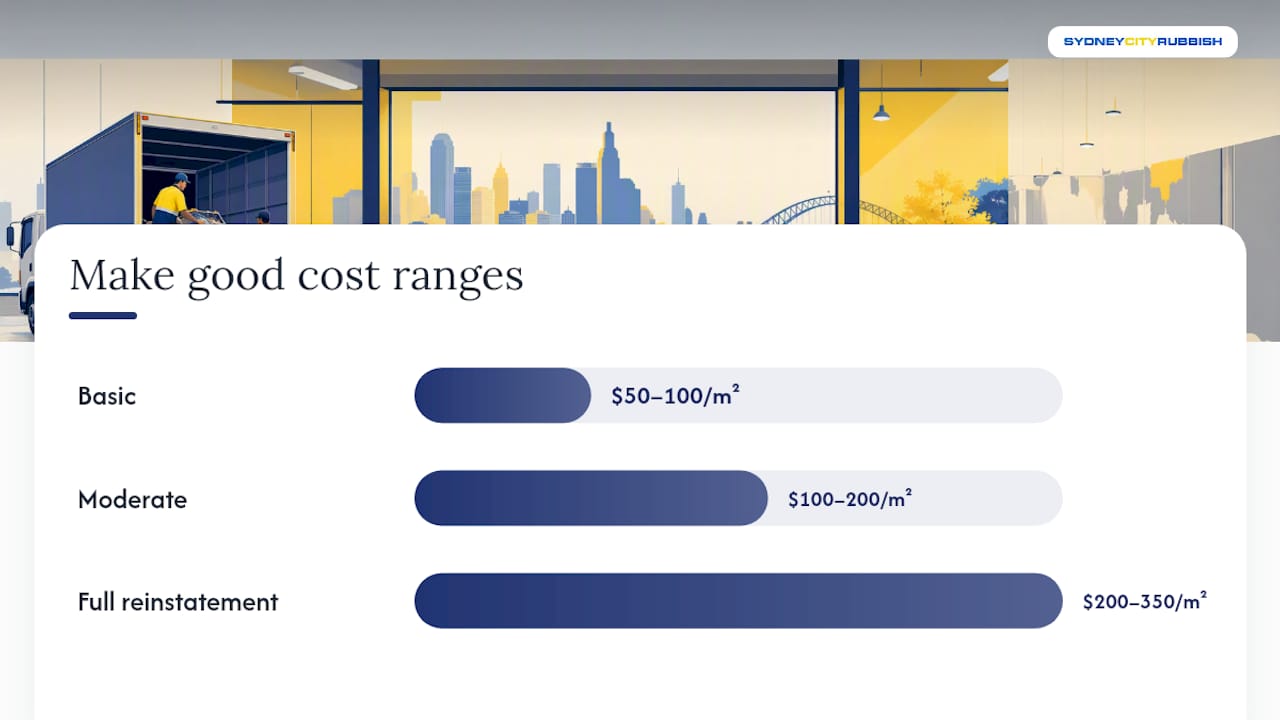
Cost bands vary widely by scope, and quoting a single number for “make good cost” misleads more than it helps. Indicative ranges in metropolitan markets put basic make good at $50 to $100 per square metre, moderate scopes at $100 to $200 per square metre, and full reinstatement at $200 to $350 per square metre. A 300 square metre tenancy facing full reinstatement could therefore land anywhere from $60,000 to $105,000 before contingency.
That’s the key word: contingency. Every make good quote is provisional until strip-out reveals what’s actually behind the walls and ceilings.
Cash settlement is worth considering as an alternative to physical works. Instead of running the full restoration, you negotiate a dollar figure with the landlord that covers what the reinstatement would have cost. It gives you cost certainty and avoids the disruption of trades on site during your final weeks, but it only works if you’ve priced a defensible scope first. Turning up with a vague number invites the landlord to counter with their own, higher figure.
What documentation do you need for handover and bond release?
Getting your bond back cleanly comes down to paperwork as much as workmanship. Start with an incoming condition report from day one of your tenancy if you have one, plus a current photo and video register of the space before and after works, and written landlord acceptance of your proposed scope before trades start.
At final handover, assemble:
- Electrical, mechanical and fire services certificates confirming compliant reinstatement.
- A waste diversion report showing how demolition and fit-out waste was processed and recycled.
- Service test reports for any systems reinstated or repaired.
- Keys, swipe cards and access handover documentation.
Run a final walkthrough with the landlord’s representative present, and keep a punch-list of any outstanding items rather than treating minor defects as deal breakers. A documented handover process with signed scope acceptance and certificates is what actually gets bonds released without argument. Keep your lead trades on standby for a week or two after handover so quick defect fixes don’t turn into a second dispute.
How a managed removal partner reduces make good risk
Coordinating a make good project usually means chasing five separate trades: demolition, electrical, waste removal, cleaning and certification, often with no single person accountable for the programme. That’s where a lot of handover risk creeps in, not from any one trade doing bad work, but from nobody managing the gaps between them.
Sydney City Rubbish handles the haulage and waste removal side of commercial make good projects across offices, retail spaces and construction sites, coordinating directly with your other trades so rubbish doesn’t sit on site delaying the next stage of works. Clients can opt into carbon-neutral disposal through our partnership with Carbon Neutral, and we can supply waste reporting at completion, useful both for your handover documentation and for any corporate sustainability targets your organisation tracks.
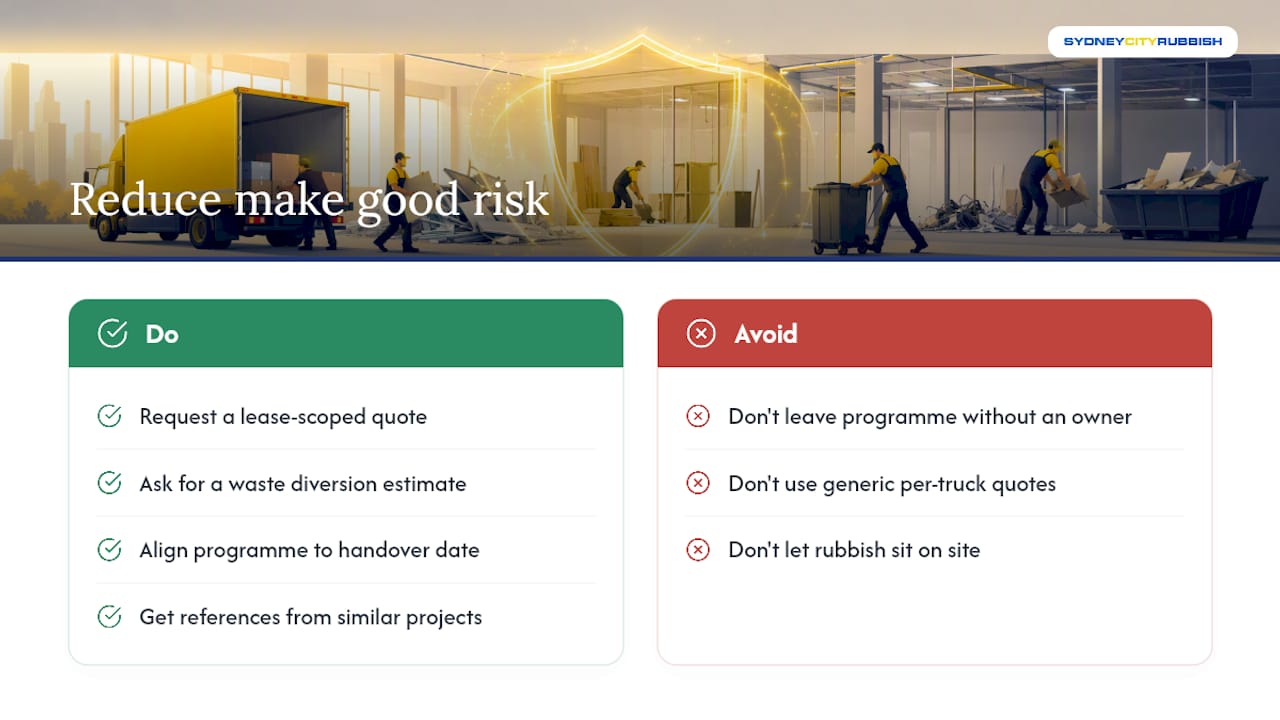
If you’re preparing an end-of-lease project, request a lease-scoped quote rather than a generic price per truckload. Ask for a waste diversion estimate, a programme aligned to your actual handover date, and references from similar commercial projects. You can request a quote through Sydney City Rubbish once you know your scope, or earlier if you’d like help sequencing the strip-out and removal stages against your lease deadline. For tenants also managing a physical office relocation alongside the make good works, this office move planning guide covers the logistics side worth coordinating in parallel.
Frequently asked questions
What is make good in simple terms?
Make good is the physical restoration work, strip-out, repairs, cleaning and rubbish removal, a contractor carries out to return a leased commercial space to the condition your lease requires before you leave.
What does make good mean compared to a general renovation?
A renovation improves or changes a space for future use. Make good restores a space to a specific prior condition defined by the lease, which usually means removal and reinstatement rather than upgrading.
What’s the difference between strip-out and make good?
Strip-out is the demolition and removal of fit-out; make good is the reinstatement that follows. Treating them as one job is a common reason tenants underbudget end-of-lease projects.
How much does make good cost in Sydney?
Indicative ranges run from $50 to $100 per square metre for basic make good, $100 to $200 for moderate scopes, and $200 to $350 for full reinstatement, before contingency.
How do I know which make good scope applies to my lease?
Get a contractor to review your lease clause directly rather than guessing from memory. Basic, standard and full/base-building scopes carry very different obligations and costs.
Can I negotiate a cash settlement instead of doing the physical works?
Often yes, provided you’ve priced a defensible scope first. A cash settlement gives cost certainty but needs a properly quoted figure to negotiate from strength.
Sources
- Make-good clauses: understanding make-good obligations — Sprintlaw
- Commercial make good in Sydney — Sydney Fitout Group
- Strip-out vs make good explained — Complete Office Fitouts