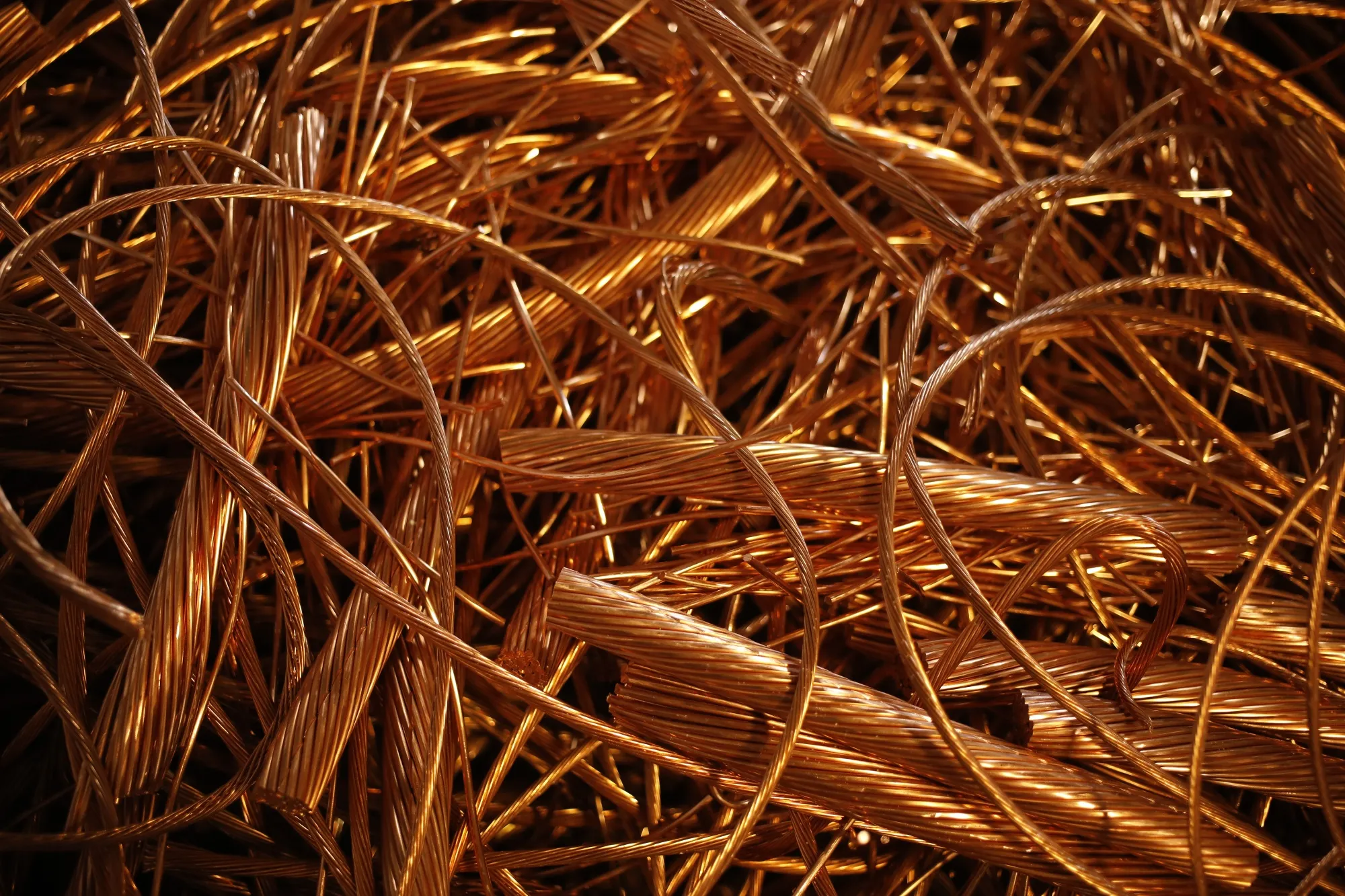
Copper is one of the most valuable and versatile metals in circulation. It is essential for wiring, electronics, transport, plumbing, and countless industrial applications. It’s one of the few metals that can be recycled without losing its quality, and as a result, scrap copper has become a highly sought-after material worldwide.
But where does scrap copper come from, who produces it, and how is it collected and reused?
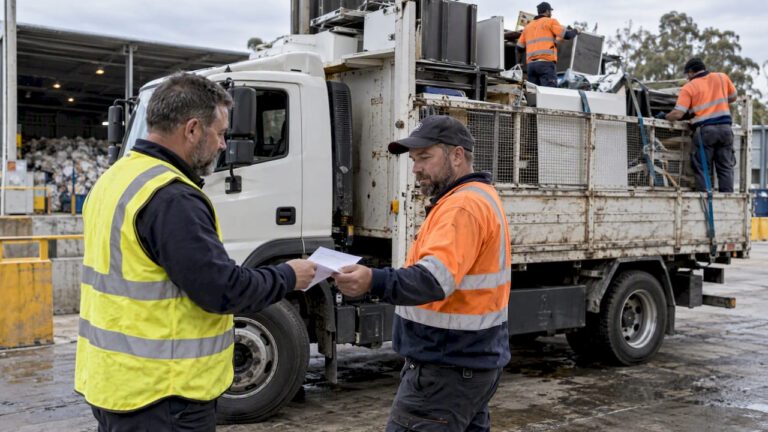
At Sydney City Rubbish, we deal with a wide range of waste streams, including copper from building sites, offices, and commercial projects. We provide efficient, sustainable scrap copper collection and removal services, helping businesses around Sydney remain on top of their waste. Need assistance with scrap metal removal?
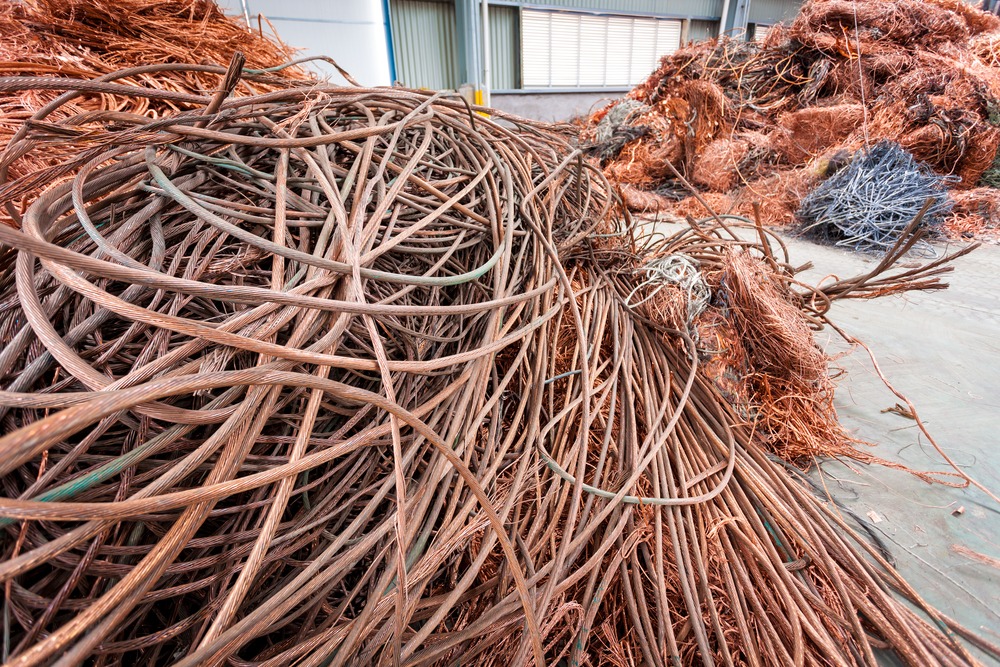
What is copper made from?
Copper is a naturally occurring element mined from ore deposits in countries like Chile, Peru, China, and the Democratic Republic of the Congo. Once mined, it is refined and transformed into usable products such as wiring, plumbing pipes, roofing sheets, and machine components.
However, the story does not end there. Copper’s unique property of being 100 percent recyclable means that after its first use, it can be collected as scrap copper, processed, and turned into new products. This makes it both a practical and environmentally sustainable material in a circular economy.
What are the main sources of copper?
So, where does scrap copper come from in practical terms? The answer lies in three major industries that generate large volumes of copper waste.
Building & construction industry
One of the largest sources of scrap copper comes from construction and demolition. Copper is extensively used in wiring, plumbing, heating systems, roofing, and cladding. When buildings are demolished, renovated, or refitted, large amounts of copper can be recovered.
For example, old electrical wiring, water pipes, and roofing offcuts all represent a valuable scrap copper source. Given Sydney’s constant cycle of development and refurbishment, the building and construction sector remains a major contributor to copper recycling.
Electronics and electrical equipment
The rapid turnover of electronic devices and appliances also adds significantly to copper waste. Computers, televisions, smartphones, and household appliances all contain copper wiring and components.
As technology advances, many businesses and households regularly upgrade their equipment. This creates a steady stream of obsolete devices, making electronics one of the fastest-growing sources of scrap copper. With e-waste regulations tightening, professional collection and recycling services are becoming even more important.
Transportation industry
Vehicles are another key contributor. Cars, trains, and aircraft all rely heavily on copper for wiring, motors, and electrical systems. When vehicles reach the end of their life, they can yield substantial amounts of copper.
In particular, the rise of electric vehicles has highlighted copper’s importance, as EVs require significantly more copper wiring than traditional vehicles. This ensures the transport sector will continue to be a leading contributor to scrap copper availability.
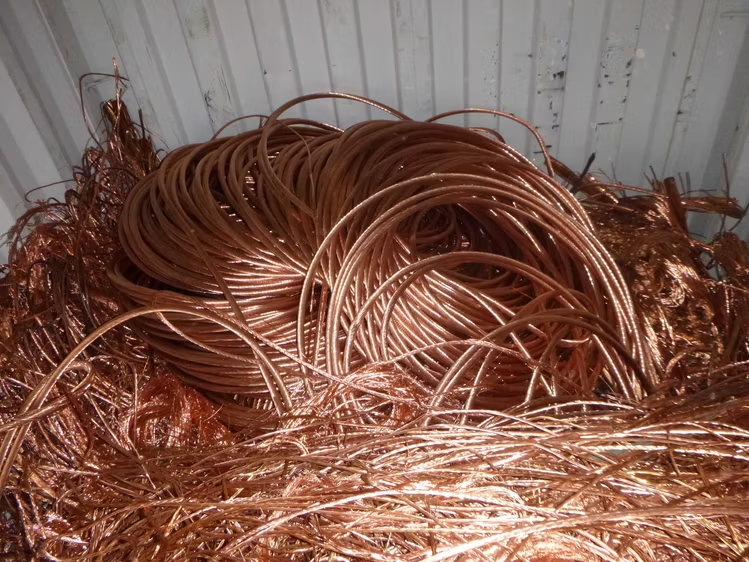
Which countries produce the most scrap copper?
Copper recycling is a global business, and the nations that generate the most scrap are typically those with strong manufacturing bases, robust construction sectors, and advanced recycling infrastructure. Scrap volumes can be measured in two main ways: how much is recycled domestically and how much is exported to international markets.
- In 2023, the United States was one of the largest players in the scrap copper trade. The country exported around 880,300 tonnes of copper waste and scrap, valued at approximately USD 4.59 billion. The US construction sector, combined with the sheer scale of its consumer electronics and automotive industries, makes it a significant contributor to the global scrap copper supply chain. Much of this material is exported to Asia for further processing.
- China, on the other hand, is not just a major consumer of copper but also the world leader in copper recycling. In 2023, it recycled about 3.85 million tonnes of copper scrap and brass raw materials. This enormous volume reflects the country’s role as a global manufacturing hub, where discarded materials from electronics, machinery, and construction are systematically recovered and processed. With policies encouraging recycling and an increasing focus on sustainable growth, China continues to dominate global scrap copper flows.
- Japan also plays a key role, exporting approximately 375,000 tonnes of copper waste and scrap in 2023. Japan’s highly industrialised economy, coupled with its reputation for technological innovation, generates large volumes of copper from vehicles, electronics, and industrial machinery. Its recycling processes are efficient and technologically advanced, allowing the country to remain one of the leading exporters despite its smaller size compared to the US or China.
- Germany sits close to Japan in terms of scrap copper exports, with about 377,000 tonnes exported in 2023. As Europe’s largest economy, Germany generates scrap copper through its automotive industry, electronics sector, and extensive infrastructure projects. Its recycling systems are among the most advanced in the world, with strict regulations that ensure copper is collected and reused wherever possible.
- Australia produces smaller but still meaningful volumes of scrap copper, driven mainly by the construction industry and strict recycling standards in major cities like Sydney and Melbourne. Although it does not match the scale of the US or China, Australia’s strong policies on waste diversion and resource recovery ensure that copper waste is consistently collected and recycled rather than ending up in landfill.
These figures highlight that when asking “who produces the most scrap copper”, the answer depends on whether we measure total recycling volumes (where China leads by a wide margin) or exports (where the US, Germany, and Japan are key players). What is clear is that the demand for recycled copper is global, and these countries form the backbone of the industry.
Source: World Integrated Trade Solution.
Which companies produce the most scrap copper?
On a corporate level, copper recycling is dominated by a handful of major players who operate large-scale facilities capable of processing hundreds of thousands of tonnes of scrap each year. These companies help ensure copper stays in circulation, reducing the need for fresh mining and supporting a more sustainable supply chain.
- Aurubis (Germany) is one of the world’s largest copper recyclers and producers. In the financial year 2023/24, it processed about 494,000 tonnes of copper scrap and blister copper, making it a leader in the European market. Aurubis is also expanding globally, with a new recycling facility in Richmond, USA, expected to handle 180,000 tonnes of complex recycling materials per year. This expansion underlines its commitment to being a global force in copper recovery.
- Jiangxi Copper (China) is another industry giant, combining primary copper production with significant recycling operations. As part of China’s 3.85 million tonnes of copper recycling, Jiangxi Copper plays a pivotal role, particularly in processing domestic scrap from China’s manufacturing and construction sectors. Its integrated approach to copper production and recycling helps China maintain its dominance in the global market.
- Umicore (Belgium) has built its reputation on recovering metals from electronic waste and batteries. While not as large as Aurubis or Jiangxi in terms of pure copper volume, Umicore specialises in high-value recycling, extracting copper alongside precious metals such as gold, silver, and palladium. Its focus on e-waste positions it strongly as global electronic consumption continues to rise.
- Sims Limited (Australia), headquartered in Sydney, is a major global player in the recycling industry, with operations across North America, Europe, and Asia. The company handles large volumes of scrap copper, much of it from electronic waste streams and end-of-life vehicles. Sims’ global footprint means it plays a key role in supplying copper scrap to smelters and refiners worldwide.
Together, these companies illustrate how scrap copper moves through a global supply chain. By collecting, processing, and redistributing recycled copper, they close the loop between consumption and reuse, ensuring that this critical metal continues to meet the growing needs of industries worldwide without relying solely on mined resources.
Source: MarketScreener.
Scrap copper collection & recycling in Sydney
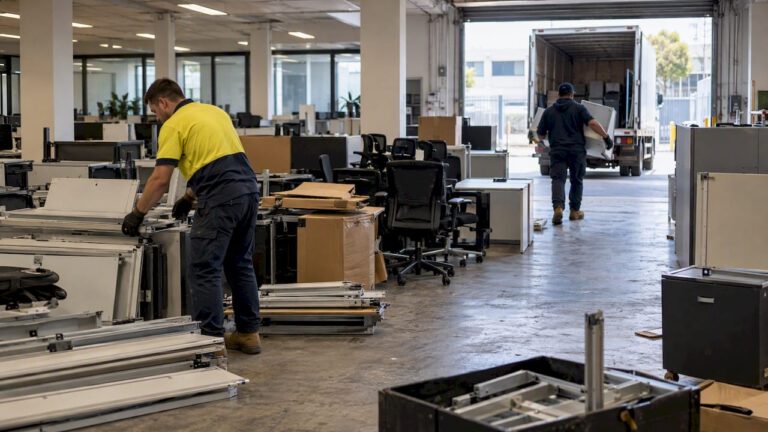
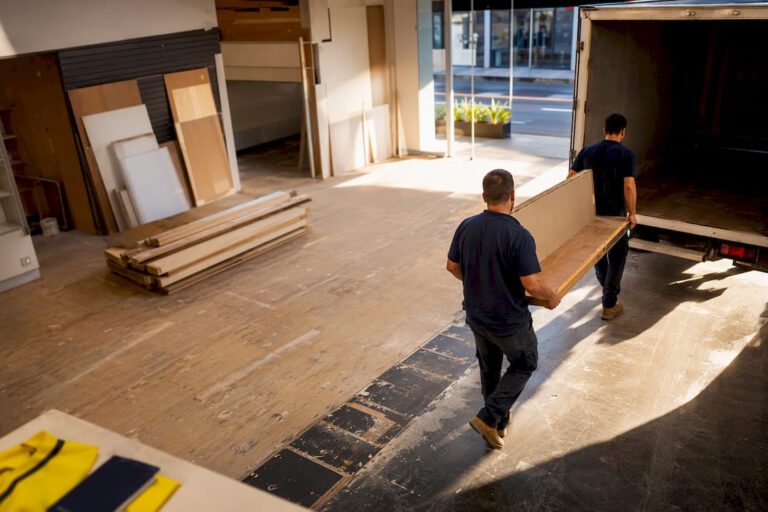
Here in Sydney, scrap copper is regularly recovered during office strip-outs, construction projects, and waste clearances. Sydney City Rubbish specialises in identifying and responsibly handling copper waste as part of our commercial rubbish removal service.
Our team collects scrap copper from building sites, office renovations, and old equipment. We ensure that valuable metals like copper are diverted from landfill and directed into proper recycling streams. This not only benefits the environment but also provides businesses with a sustainable way to manage their waste.