As sustainability shifts from a buzzword to a business priority, businesses across Sydney are reassessing how they manage waste.
Commercial tenants, property managers, and facilities teams face increasing pressure to reduce landfill, meet ESG targets, and operate more responsibly. Two concepts often sit at the centre of this discussion, recycling and upcycling. While they sound similar, they play very different roles in the journey towards zero garbage.
Understanding the upcycling meaning helps businesses make smarter decisions about waste streams, materials recovery, and long term environmental impact. For companies operating in the CBD and surrounding areas, effective waste strategies also rely on expert commercial rubbish removal partners who can manage these processes efficiently and compliantly.
At Sydney City Rubbish, we help facilitate sustainable rubbish removal and waste management solutions for businesses of all shapes and sizes.
Speak to our team today about sustainable commercial waste management.
Understanding the basics: recycling and upcycling
Recycling is widely understood and well established. It involves breaking down waste materials, such as paper, metals, glass, and plastics, so they can be reprocessed into new products. Recycling reduces the need for virgin resources and lowers overall environmental impact, but it still consumes energy and often degrades material quality over time.
Upcycling takes a different approach. To define upcycle, it means repurposing discarded materials into products of higher value, quality, or usefulness without breaking them down into raw components. Rather than returning materials to an earlier state, upcycling transforms waste into something better than its original form.
When exploring the upcycling meaning, the key distinction lies in value creation. Recycling focuses on recovery, while upcycling focuses on reinvention.
Why upcycling is gaining momentum globally
Recent research highlights why upcycling is gaining attention across industries. Studies published in peer reviewed journals suggest that upcycling can reduce carbon emissions, minimise energy use, and extend material life cycles more effectively than recycling alone. Research from Wiley Online Library and ScienceDirect points to upcycling as a practical strategy within circular economy models, particularly in urban commercial environments where waste volumes are high and consistent.
Upcycling also supports behavioural change. When businesses see waste as a resource rather than a cost, sustainability becomes embedded in daily operations. This shift plays a vital role in achieving zero garbage goals across cities like Sydney, where landfill space is limited and regulatory expectations continue to rise.
Upcycling vs recycling in commercial settings
In commercial environments, recycling remains essential, but it has limitations. Contamination, improper sorting, and fluctuating market demand can reduce recycling efficiency. For example, plastic bottle recycling relies heavily on correct separation and clean material streams, which can be difficult to maintain in busy offices, retail spaces, and hospitality venues.
Upcycling, on the other hand, often occurs upstream. Furniture, fixtures, timber, metal fittings, and certain packaging materials can be refurbished, redesigned, or reused without entering traditional waste processing systems. This approach reduces transport, processing emissions, and disposal costs.
Understanding the upcycling meaning helps facility managers identify opportunities where reuse and recycle strategies overlap. The most effective waste systems combine both approaches, prioritising upcycling where feasible and recycling where necessary.
The role of upcycling in achieving zero garbage
Zero garbage is an ambitious target, but it is increasingly achievable with the right systems in place. Upcycling supports zero garbage by reducing the volume of waste that ever becomes waste in the first place. When materials remain in circulation, landfill dependency drops significantly.
Businesses that adopt upcycling principles often see additional benefits, including reduced waste removal costs, improved sustainability reporting, and stronger brand reputation. Clients, tenants, and stakeholders now expect visible environmental action, not just policy statements.
Academic research available through ResearchGate and ScienceDirect reinforces that upcycling plays a critical role in protecting the environment during periods of high waste generation, including times of economic disruption and increased consumption. These findings align with real world outcomes seen across commercial sectors.
Common upcycling opportunities in Sydney businesses
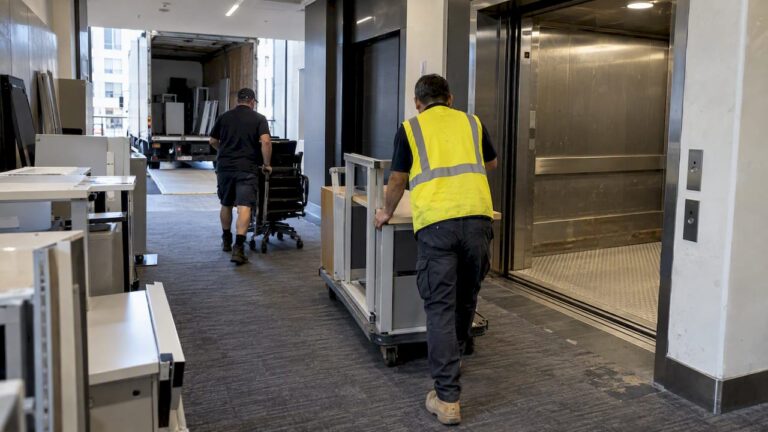
Many Sydney based businesses already generate materials suitable for upcycling without realising it. Office fit-outs, refurbishments, and relocations produce furniture, partitions, timber, metals, and fixtures that often go straight to landfill.
With professional waste assessment and removal, these materials can be redirected for reuse, donation, or transformation. Timber can become furniture or flooring, metal can be reshaped into fixtures, and textiles can be repurposed for insulation or furnishings.
Understanding the upcycling meaning at this operational level allows businesses to integrate sustainability into everyday decision making rather than treating it as a separate initiative.
Recycling still matters, but smarter recycling matters more
Recycling remains a critical part of sustainable waste management, especially for materials that cannot be upcycled. Paper, cardboard, glass, and plastics still require robust recycling systems. However, recycling only works when businesses manage waste streams correctly.
Plastic bottle recycling is a good example. When bottles are mixed with food waste or incorrect materials, recycling facilities may reject entire loads. Commercial rubbish removal providers play an important role here by offering clear waste separation, scheduled collections, and education around correct disposal.
The most effective waste strategies focus on reuse and recycle principles together, supported by professional services that understand local regulations and recycling infrastructure.
How professional rubbish removal supports upcycling and recycling
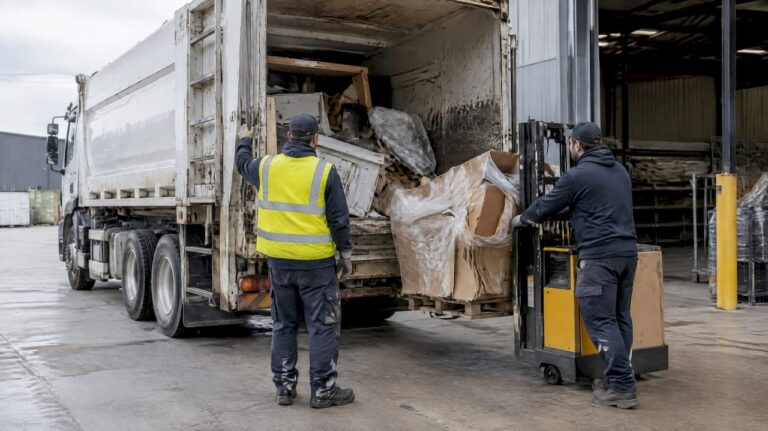
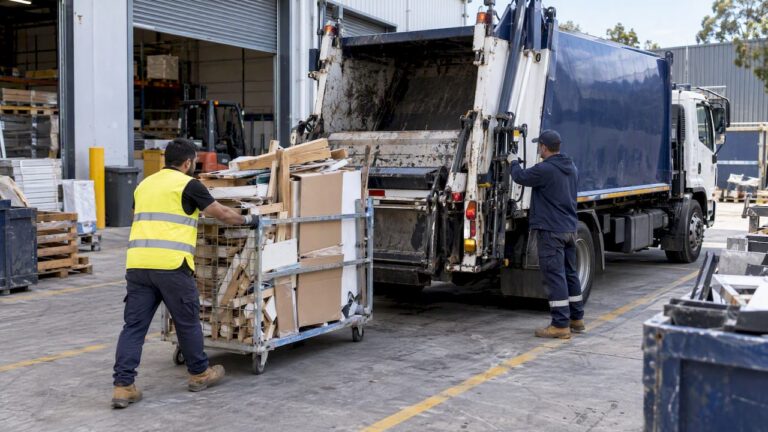
For commercial operators in Sydney CBD, waste management is rarely simple. Limited space, strict council requirements, and high waste volumes demand expert handling. Sydney City Rubbish specialises in commercial waste removal, offering tailored solutions that support both recycling and upcycling outcomes.
By assessing waste streams, coordinating appropriate disposal channels, and ensuring compliant removal, professional providers help businesses move closer to zero garbage goals. They also reduce operational risk by managing documentation, safety requirements, and logistics.
Understanding the upcycling meaning becomes far more practical when businesses partner with waste experts who can identify opportunities and manage execution.
The future of zero waste in urban environments
Cities like Sydney sit at the forefront of sustainability challenges. High density commercial activity generates significant waste, but it also creates opportunities for innovation. Upcycling will continue to grow as businesses seek cost effective, visible, and impactful sustainability measures.
Research comparing recycling and upcycling consistently shows that upcycling delivers higher environmental value when applied correctly, particularly in commercial settings. As highlighted in comparative studies from Banyan Nation and academic journals, upcycling complements recycling rather than replacing it.
The future of zero waste depends on smarter systems, informed decision making, and reliable waste partners who understand both theory and practice.
Moving from concept to action
Understanding the upcycling meaning is the first step. Applying it requires planning, expertise, and consistent execution. Businesses that succeed do not rely on ad hoc solutions. They work with experienced commercial rubbish removal providers who align waste management with broader sustainability goals.
At Sydney City Rubbish, we support businesses across the Sydney CBD and surrounding areas with efficient, responsible, and compliant waste removal services. By integrating recycling, reuse, and upcycling principles into everyday operations, businesses can reduce landfill, improve sustainability performance, and contribute to a cleaner urban environment.
Get a free quote for sustainable commercial rubbish removal today.