When planning a commercial strip-out, timing is just as important as the scope of the project. Many businesses and building managers prefer after-hours strip-outs because they reduce disruption to tenants, keep workplaces safe during business hours, and ensure compliance with building access requirements.
It’s important to keep in mind that these after-hours projects also come with additional financial considerations. Understanding the pros and cons of after-hours strip-outs can help businesses prepare for the costs and challenges involved. At Sydney City Rubbish, we can provide strip out solutions that are tailored to your needs, including your preferred hours.
Why after-hours strip-outs are often required
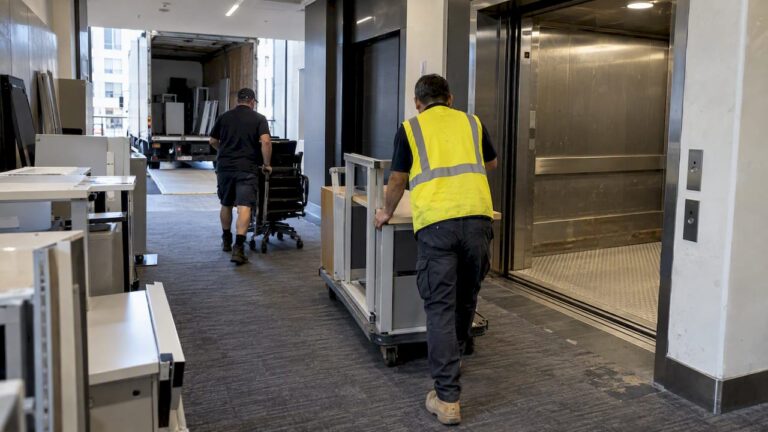
In Sydney’s CBD and other busy commercial areas, building managers often require strip-out work to be completed outside of standard business hours. This is usually done to minimise disruption to surrounding tenants, maintain public safety, and comply with strict building rules. For example, noisy demolition work may not be permitted during business hours, or lift and loading dock access might be restricted to evenings and weekends.
After-hours work ensures that businesses can meet deadlines without impacting day-to-day operations in the building. However, it also introduces a layer of complexity and expense that needs to be factored into the project budget.
Higher labour rates for night or weekend work
One of the most significant cost impacts of after-hours strip-outs is labour. Tradespeople, waste removal teams, and supervisors typically charge higher rates for night shifts, weekends, or public holidays. These increased labour costs can make a strip-out substantially more expensive than if it were completed during the day.
For businesses, this means careful planning is essential. Factoring in premium rates for labour early in the budgeting process will help avoid unexpected overruns.
Additional supervision and security requirements
After-hours work often requires additional personnel to ensure safety and compliance. Building managers may mandate on-site security guards or supervisors while work is being carried out. This ensures that access is properly controlled and that noise, dust, and waste management protocols are followed.
While these measures are important for protecting both the building and its tenants, they can add considerable costs to the overall construction project. The need for extra personnel, combined with higher hourly rates, can quickly increase the financial burden of an after-hours strip-out.
Increased costs for transport, waste removal and equipment hire outside standard hours
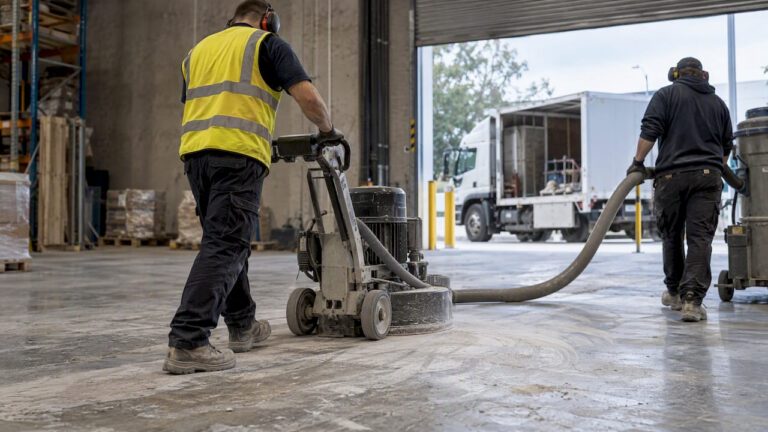
Transporting waste and equipment outside of normal operating hours can also be more expensive. Waste removal companies may charge surcharges for late-night pickups, and skip bin access may be restricted to certain timeframes. Similarly, equipment hire firms may add fees for out-of-hours delivery or collection.
In a busy city like Sydney, where CBD access is already limited, these factors can have a direct impact on the cost of a project. Businesses should work with contractors who have experience navigating these restrictions and who can coordinate waste removal and equipment hire efficiently.
Possible extended project timelines
While after-hours work can be more efficient in some cases, it can also stretch out project timelines. Restricted access to lifts, loading docks, and work areas can slow down progress. In addition, noise limits may mean that certain high-impact tasks must be completed across multiple nights, rather than in a single block of time.
Extended timelines not only increase labour and supervision costs, but they can also impact the overall delivery schedule for a refurbishment or handover. For businesses on tight deadlines, these delays can be particularly costly.
Other challenges linked to after-hours strip-outs
Beyond the direct financial costs, after-hours strip-outs come with additional challenges. Coordination with building management becomes more complex, as approvals are often required for night work. Noise restrictions, safety risks, and the logistics of moving materials through common areas all need careful planning.
If these challenges are not managed properly, they can cause delays, compliance issues, or even fines. This is why it’s important to engage a team that understands the intricacies of after-hours work in Sydney’s commercial buildings.
Balancing costs with compliance
While the added costs of after-hours strip-outs can be significant, cutting corners is rarely an option. Attempting to bypass building rules or ignoring safety protocols can lead to penalties, project delays, and reputational damage.
The key is to strike a balance between managing costs and meeting compliance requirements. Early planning, transparent budgeting, and engaging experienced contractors are the best ways to achieve this. By factoring in after-hours requirements from the start, businesses can avoid unexpected surprises and keep projects on track.
Strip-out solutions with Sydney City Rubbish
At Sydney City Rubbish, we understand the unique challenges of after-hours strip-outs in Sydney’s CBD and surrounding areas. Our experienced team has carried out countless projects in buildings with strict access requirements, working efficiently to minimise disruption while maintaining full compliance with building rules.
We offer flexible scheduling to meet after-hours requirements, along with safe and reliable waste removal solutions that ensure projects run smoothly. With a focus on safety, efficiency, and sustainability, we help businesses manage the added costs and complexities of after-hours work.
Get a quote for your commercial strip out
After-hours strip-outs are often necessary in Sydney’s commercial landscape, offering clear benefits for safety and tenant convenience. However, they also bring higher costs, from labour and security to transport and extended timelines. By understanding these factors and working with an experienced contractor, businesses can plan effectively and avoid costly surprises.