In Australia (and the rest of the world), e-waste is one of the fastest growing waste streams, and it is increasingly regulated.
Many electronic items, including computers, televisions, printers and accessories, fall under product stewardship schemes that make landfill disposal illegal or heavily restricted. In New South Wales, the EPA actively promotes responsible recycling through regulated collection programs, with businesses expected to comply with strict waste handling and disposal standards.
Failing to do so can expose organisations to penalties, reputational damage, and compliance risks. While the legal framework matters, it only tells part of the story. The deeper issue lies in e-waste ethics. Ethical decision making around electronic waste affects human health, environmental justice, and global sustainability.
Speak to our team today about expert e-waste collection solutions in Sydney, or read on to find out more about the ethics of e-waste disposal.
Understanding what e-waste really is
Electronic waste includes any discarded item with a plug, battery, or circuit board. Common examples include:
- Computers
- Monitors
- Mobile phones
- Tablets
- Servers
- Printers
- Point of sale systems
- Cables
- Networking equipment.
In commercial environments, these items accumulate quickly due to frequent upgrades, relocations, and technology refresh cycles.
The challenge is that electronic devices contain a complex mix of valuable materials and hazardous substances. Metals such as gold, copper, and rare earth elements sit alongside lead, mercury, cadmium, and brominated flame retardants. When handled responsibly, these materials can be recovered safely. When handled poorly, they create serious risks for people and the environment.
The ethical considerations of electronic waste
The ethical considerations of electronic waste extend far beyond where your old equipment ends up. Many discarded electronics from developed countries find their way into informal recycling operations overseas. These sites often operate without safety controls, environmental protections, or labour standards.
Research published by the US National Library of Medicine highlights how informal e-waste recycling exposes workers, including children, to toxic fumes and contaminated soil and water, leading to long term health impacts. You can explore this research further at https://pmc.ncbi.nlm.nih.gov/articles/PMC5203975/.
From an ethical standpoint, exporting harm to vulnerable communities raises serious questions. Businesses that fail to consider where their e-waste goes may unintentionally contribute to environmental injustice and human rights violations, as outlined in detail by Norton Rose Fulbright at https://www.nortonrosefulbright.com/en-au/knowledge/publications/f54afc62/environmental-injustice-how-informal-e-waste-recycling-impacts-human-rights.
Why e-waste ethics matter for businesses
For commercial organisations, e-waste ethics are closely tied to corporate responsibility. Clients, investors, and employees increasingly expect businesses to act sustainably and transparently. Ethical waste practices demonstrate leadership, accountability, and respect for both local and global communities.
Improper disposal can also undermine your environmental, social, and governance commitments. Ethical lapses in waste management can contradict public sustainability statements and expose businesses to reputational risk. In contrast, responsible e-waste handling supports ethical supply chains and aligns with broader environmental goals.
Ethical Consumer provides a clear overview of the hidden impacts of electronic waste at https://www.ethicalconsumer.org/technology/e-waste-toxic-techno-trash, highlighting why ethical choices in this area matter more than many organisations realise.
E-waste recycling ethics and environmental responsibility
E-waste recycling ethics focus on how materials are recovered and who bears the cost of that recovery. Ethical recycling ensures that hazardous components are processed in licensed facilities, workers remain protected, and valuable materials re-enter the supply chain responsibly.
Poor recycling practices can release toxins into soil, waterways, and the air. These impacts do not stay local. Heavy metals and persistent pollutants travel through ecosystems and food chains, affecting communities far removed from the original disposal point.
Ethical recycling, by contrast, reduces landfill pressure, conserves resources, and lowers the demand for raw material extraction. It also supports legitimate recycling industries and innovation in waste recovery technologies.
The Australian approach to ethical e-waste management
Australia has taken meaningful steps to address e-waste through national and state based initiatives. In New South Wales, the EPA promotes extended producer responsibility and product stewardship schemes that shift accountability upstream. Businesses benefit from clear guidance on compliant recycling pathways, which you can review at https://www.epa.nsw.gov.au/Your-environment/Recycling-and-reuse/warr-strategy/product-stewardship-schemes/ewaste.
However, compliance alone does not guarantee ethical outcomes. Organisations must still choose reputable waste partners, demand transparency, and avoid shortcuts that push waste into questionable downstream channels.
Understanding e-waste ethics means recognising that responsibility does not end once equipment leaves your premises. Ethical businesses take ownership of the full lifecycle of their electronic waste.
The risks of unethical e-waste disposal
Unethical e-waste disposal carries both visible and hidden risks. Locally, improper storage or dumping can lead to data breaches, workplace hazards, and regulatory fines. Internationally, it can contribute to unsafe recycling practices that exploit workers and damage fragile environments.
There is also growing scrutiny on waste exports and downstream accountability. Businesses that ignore these risks may find themselves implicated in practices that conflict with modern expectations around sustainability and human rights.
A broader discussion of e waste ethics and global responsibility is available at https://pollution.sustainability-directory.com/term/e-waste-management-ethics/, which outlines how ethical frameworks apply to electronic waste management worldwide.
How Sydney City Rubbish supports ethical e-waste practices
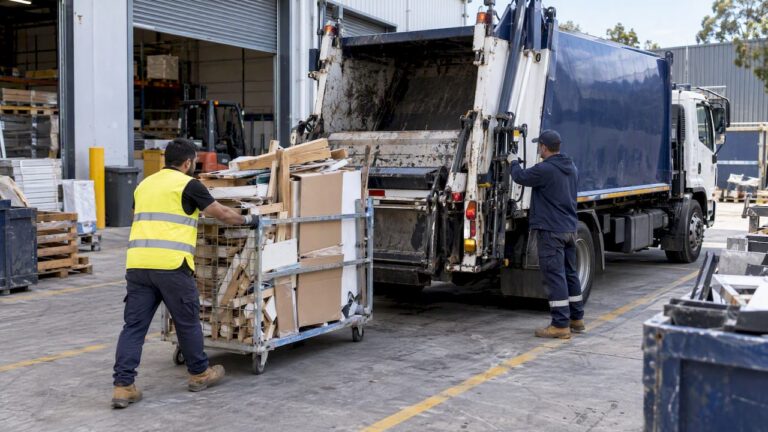
At Sydney City Rubbish, our team works with commercial clients across the CBD and surrounding areas to manage electronic waste responsibly. Our team understands the regulatory environment and the ethical obligations businesses face when disposing of electronics.
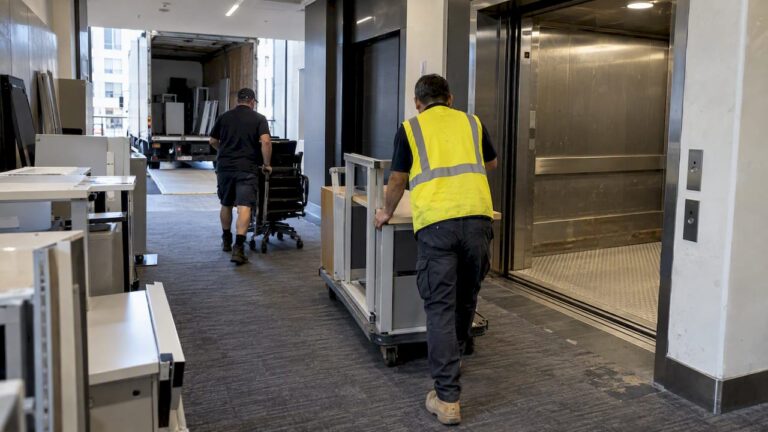
We prioritise compliant collection, secure handling, and partnerships with licensed recycling facilities. This approach ensures hazardous materials are treated correctly and reusable components are recovered through legitimate channels. For businesses undergoing office upgrades, relocations, or clear outs, we provide efficient e-waste removal without compromising ethical standards.
By choosing a specialist commercial rubbish removal provider, businesses reduce risk and demonstrate a genuine commitment to ethical waste management.
Making ethical e-waste decisions part of your operations
Embedding e-waste ethics into everyday operations does not require complex systems. It starts with awareness, clear internal policies, and choosing the right waste partners. Regular audits of stored electronics, secure data destruction processes, and documented recycling pathways all support ethical outcomes.
Businesses that take this approach not only meet legal requirements but also contribute positively to global sustainability efforts. Ethical waste management becomes part of a broader commitment to responsible business practice.
Why ethical e-waste recycling is no longer optional
The volume of electronic waste will continue to grow as technology evolves. With that growth comes greater responsibility. E-waste ethics are no longer a niche concern, they sit at the intersection of environmental protection, human rights, and corporate accountability.
By recycling electronics ethically, businesses protect people, reduce environmental harm, and align with modern expectations of responsible operation. Sydney City Rubbish helps commercial organisations meet these expectations through reliable, compliant, and ethical e-waste removal services that support both legal obligations and moral responsibility.