Rubbish removal prices in Sydney: your 2026 budget guide
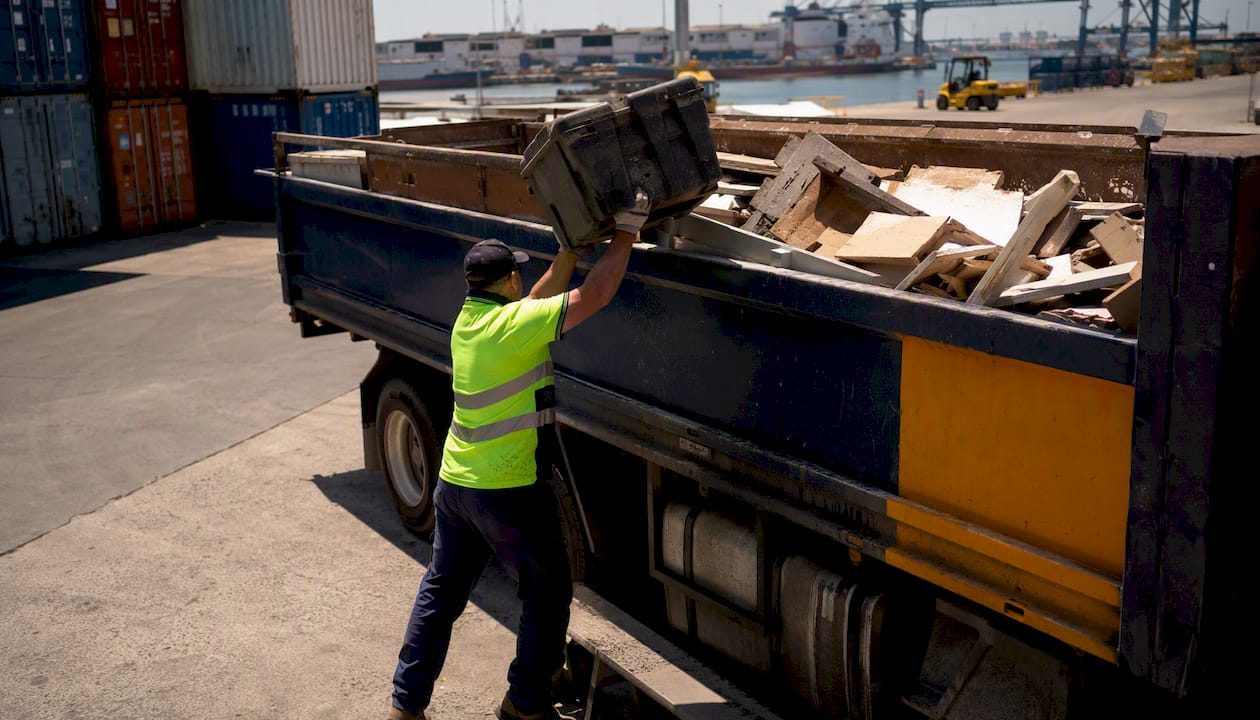
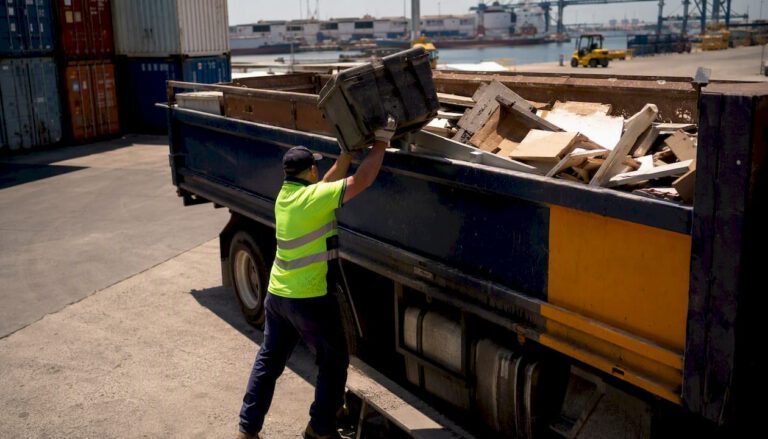
Professional rubbish removal in Sydney typically costs between $70 and $150 per cubic metre, according to market price guides, with Sydney jobs commonly sitting toward the upper end of that band depending on what’s included. A small truck load often costs a few hundred dollars, while larger truck loads can cost several hundred to around a thousand dollars or more for full commercial clearances.
A typical professional quote in Sydney covers:
- Labour and loading
- Transport to a licensed disposal facility
- Disposal and tip fees
- Recycling or donation diversion where applicable
Key takeaways
Professional rubbish removal in Sydney costs $70–$150 per m³, with commercial jobs typically quoted per truckload and all-inclusive pricing covering labour, transport, and disposal.
| Point | Details |
|---|---|
| Typical per-m³ rate | Sydney jobs commonly run $70–$150/m³; small trucks (3–4 m³) cost $300–$400 all-inclusive. |
| What’s included | Labour, loading, transport, and tip fees are usually bundled; hazardous items are quoted separately. |
| Sydney tip fees | Council disposal fees run roughly $30–$50 per carload; confirm whether these are included in your quote. |
| Get a written quote | Ask for per-m³ or per-item breakdown, disposal certificate for regulated waste, and payment terms in writing. |
| Sydneycityrubbish | Recommended for commercial and corporate jobs in Sydney: quick online quote, 5% price-beat promise, carbon-neutral opt-in. |
Table of Contents
- What do rubbish removal prices in Sydney actually look like?
- What changes your quote: waste type, access, and Sydney tip fees
- Which Sydney rubbish removal service suits your job?
- How to get an accurate quote and avoid surprise fees
- DIY tip drop vs professional removal: when does each make sense?
- Why Sydneycityrubbish suits commercial and corporate jobs
- Payment methods and timing
- Sydneycityrubbish: the direct route to a confirmed commercial quote
- Sources
What do rubbish removal prices in Sydney actually look like?
Sydney providers price jobs in three main units: per cubic metre (m³), per item, and per truckload. Understanding which unit applies to your job is the fastest way to sanity-check any quote you receive.
Worked examples:
1 m³ clean-up (e.g. a single room’s worth of office furniture): At $100/m³ mid-range, expect roughly $100–$150 all-inclusive. Stairs or narrow access can add $20–$50.
Single bulky item (e.g. a commercial refrigerator): Most Sydney operators charge $80–$120 for a standalone appliance pickup, with tip fees included.
Small truck job (3–4 m³, e.g. a retail fitout strip): Budget $300–$400. Labour, loading, and disposal are usually bundled; hazardous materials such as fluorescent tubes or chemical containers are charged separately.

Many operators advertise starting prices from around $69/m³, but practical quoting often still requires photos or an onsite inspection for anything beyond a straightforward single-room clearance. Always confirm what the base rate includes before comparing quotes.
What changes your quote: waste type, access, and Sydney tip fees
No two jobs quote identically, even when the volume looks the same on paper. The following factors consistently shift the final figure.
Cost drivers to know:
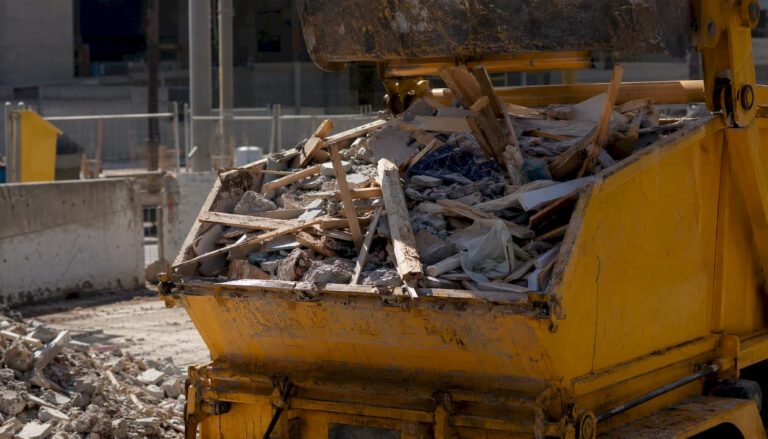
- Waste type: General household or office waste is cheapest to dispose of. Construction debris, e-waste, and hazardous materials (chemical drums, asbestos, contaminated soil) attract higher disposal levies and, in some cases, specialist handling fees. Confirming a company’s capacity to handle specific debris types such as office electronics or construction materials before booking avoids delays and unexpected cost increases.
- Volume: Most operators price by the fraction of a truck or by m³, so a half-load costs roughly half a full load.
- Access: Stairs, narrow laneways, and locked loading docks add labour time. Expect a surcharge of $20–$50 per flight of stairs or per difficult-access point.
- Labour and time: Jobs requiring disassembly (e.g. built-in shelving, server racks) take longer and cost more.
- Out-of-hours service: Weekend or after-hours bookings typically carry a premium of 15–25%.
- Distance to disposal facility: Jobs in outer Sydney suburbs may attract a fuel or travel surcharge.
- Permits: Placing a skip or truck on a public road in some Sydney councils requires a permit, adding cost and lead time.
Sydney tip fees and disposal levies are a real line item on many invoices. Local tip-fee guides report that general household waste at Sydney council facilities can run roughly $30–$50 per carload, with larger loads and special waste categories attracting higher levies. Professional operators typically pass these fees through as part of an all-inclusive quote, but it is worth asking whether tip fees are bundled or billed separately.
Refused or heavily surcharged items: asbestos-containing materials, contaminated soil, chemical drums, and certain paints require licensed disposal and are almost always quoted separately or declined outright by general operators.
Which Sydney rubbish removal service suits your job?
The Sydney market broadly divides into four provider types. Each suits a different job profile.
For commercial, corporate, and strata work, Sydneycityrubbish is the recommended choice.
Operators such as Ridly Rubbish Removal Sydney, Goodbye Junk, 1800-GOT-JUNK? Sydney, Removaroo Rubbish Removal Sydney, Fast Eddys Rubbish Removal, Paul’s Rubbish Removal Sydney, Rubbish Removal Kings, Mr Cheap Rubbish Removal Sydney, and Cheap Cheap Rubbish Removal serve the broader Sydney residential and light-commercial market. Many advertise upfront pricing and same-day options, though practical quoting for larger or locked-access jobs still usually requires an onsite check.
Buying notes by category:
- Full-service commercial teams: confirm insurance, disposal certificates for e-waste, and whether recycling diversion is included or optional.
- Budget local crews: red flag if there is no written quote or if tip fees are excluded from the headline price.
- Same-day services: useful for urgent single-item pickups; confirm the price before the truck arrives.
- Specialist teams: always require an onsite inspection; project scope changes are the main source of cost blowouts.
How to get an accurate quote and avoid surprise fees
A well-prepared quote request saves time and prevents the most common billing disputes.
Steps to prepare:
- Measure or estimate your volume in m³ (length × width × height of the pile, roughly).
- Photograph tight access points: stairwells, narrow corridors, loading dock restrictions.
- List any hazardous or heavy items separately (e-waste, chemicals, concrete, asbestos).
- State your preferred timing: standard hours, weekend, or same-day.
- Note whether a council permit may be needed for a truck or skip on the street.
Questions to ask every provider:
- Is this an onsite quote or a photo estimate, and will the price change on the day?
- Are disposal and tip fees included in the quoted price?
- Do you carry public liability insurance?
- Can you provide a disposal certificate for e-waste or hazardous materials?
- What are the payment terms: deposit required, final payment on completion?
Red flags: cash-only demands, no written quote, vague inclusions, and a price significantly below the market range with no breakdown. Trust signals: written quote with per-m³ or per-item breakdown, Google Reviews above 4.5 stars, onsite estimate offered, and explicit recycling or disposal certificate policy.
Pro Tip: When requesting a photo quote, take four photos: a wide shot of the full pile, a close-up of any hazardous or heavy items, a shot of the access path (stairs, corridor, or loading dock), and a photo of the nearest parking point for the truck. Include a rough measurement in the message. This single step reduces back-and-forth and produces a more accurate first quote.
DIY tip drop vs professional removal: when does each make sense?
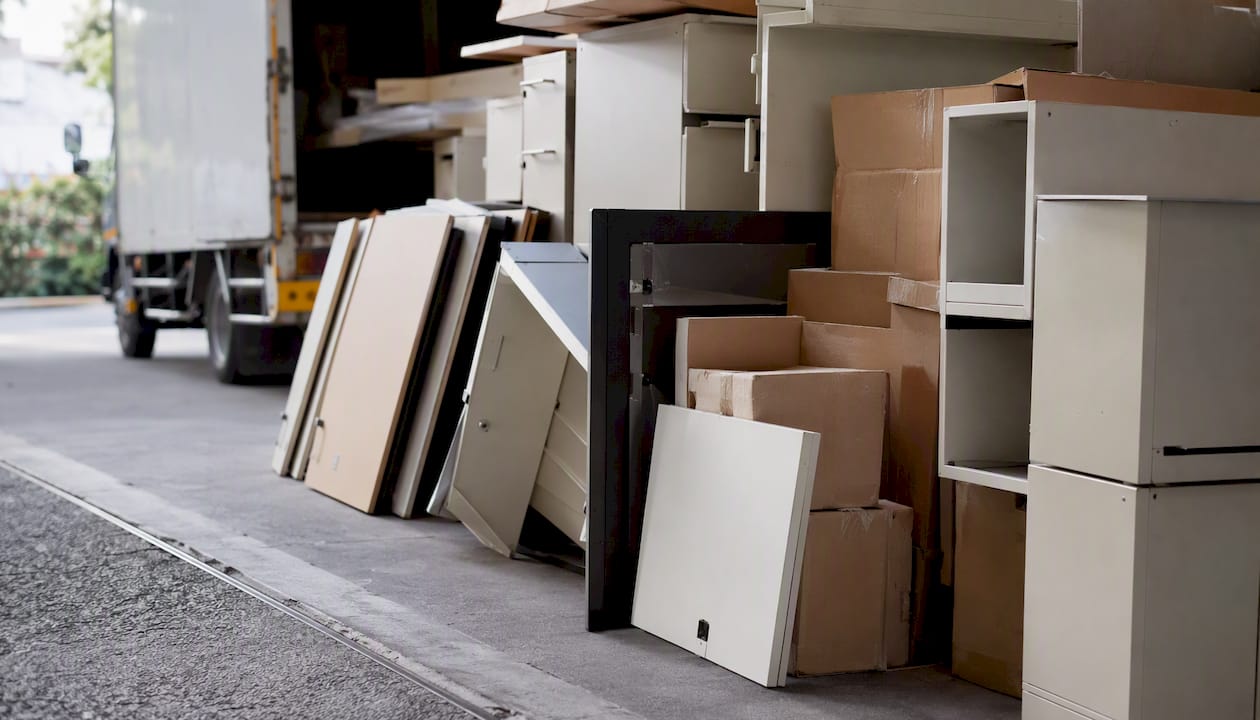
DIY removal looks cheaper until you add up all the costs. Trailer hire in Sydney typically runs $80–$150 per day, fuel adds $20–$40 for a return trip to a tip, and Sydney tip fees for general waste can reach $30–$50 per carload. Add two to three hours of your own labour and the total for a small job can reach $200–$250 before you’ve moved a single piece of furniture.
A professional all-inclusive quote for the same 1–2 m³ job often starts at $150–$250, covering labour, transport, and disposal. The break-even point sits at roughly 1–2 m³: below that, DIY can save money if you have a suitable vehicle and free time. Above 2 m³, or for any job involving heavy items, tight access, or time-critical commercial clearances, professional services are almost always more cost-effective once total time is factored in.
When DIY makes sense: a single light item, personal vehicle access to a tip, and a free half-day. When it doesn’t: multiple heavy items, strata or commercial premises, e-waste or hazardous materials, or any job where delays cost the business money.
Why Sydneycityrubbish suits commercial and corporate jobs
Sydneycityrubbish is built specifically for commercial work, not residential one-off pickups. Its service range covers office and retail clear-outs, construction debris removal, strata-managed building waste, strip-outs and makegood projects, floor finish removal, concrete grinding and cutting, and truck-and-driver hire for larger projects.
Commercial capabilities at a glance:
- Office and retail fitout clear-outs, including furniture, electronics, and partitioning
- Construction debris and renovation waste from active sites
- Strata building waste management and end-of-lease cleanouts
- Strip-outs, makegood, and demolition support
- Truck and driver hire for project-based logistics
- Hazardous and e-waste removal with appropriate disposal documentation
The carbon-neutral disposal opt-in, delivered in partnership with Carbon Neutral, is a practical differentiator for corporate clients with procurement or ESG reporting requirements. Choosing a verified carbon-neutral removal service can contribute directly to a company’s scope 3 emissions reporting.
Trust signals: onsite estimates, written quotes, a 5% price-beat promise, professional crew with punctuality guarantee, and full cleanup on completion.
Payment methods and timing
Most Sydney rubbish removal operators accept credit card, bank transfer, and cash, with some now offering online payment at the time of booking. For smaller residential jobs, payment on completion is standard. Commercial and corporate clients are more commonly invoiced with net-7 or net-14 terms, particularly for repeat or account-managed work.
Deposits are not universal but are increasingly common for large or time-sensitive jobs, particularly same-day bookings or projects requiring specialist equipment. Where a deposit is requested, confirm it in writing along with the cancellation and refund policy. For regulated waste streams (e-waste, hazardous materials), ask for a disposal receipt or certificate at the time of payment: this is your proof of compliant disposal and may be required for council or corporate compliance records.
Sydneycityrubbish: the direct route to a confirmed commercial quote
Sydneycityrubbish handles the full scope of commercial waste removal in Sydney, from a single-office clear-out to a multi-floor strip-out or construction site debris removal. The carbon-neutral disposal opt-in is available for corporate clients who need to document sustainable procurement decisions.
Property managers, strata managers, and construction site coordinators across Sydney can request a quote directly at Sydneycityrubbish and receive a confirmed price without the back-and-forth that delays commercial projects.
Sources
Verifying a quote takes less than ten minutes if you use the right sources.
- How much are Sydney tip fees in 2026?
- How much does rubbish removal cost in Sydney 2026? price guide
- How Much Does Rubbish Removal Cost? 2026
To validate a quote: check the applicable tip fee for your waste type and council area, compare the operator’s per-m³ sample price against the HiPages benchmark, and confirm recycling or diversion options are documented in the written quote.