As a commercial building evolves and its systems are upgraded, old infrastructure can quickly become obsolete. Redundant pipes, ductwork, control panels, and other components from outdated fire and mechanical services often remain hidden in ceiling spaces, riser cupboards or plant rooms. These systems take up space, create confusion, and can even become a safety hazard.
That’s why the removal of fire systems and removal of mechanical service systems is an essential part of keeping your building clean, efficient, and compliant. It’s important that these systems are removed by experienced professionals with the knowledge and equipment to get the job done safely and efficiently.
At Sydney City Rubbish, we specialise in managing the safe, professional removal of outdated services. We help property managers and business owners reclaim control over their commercial spaces through high-quality strip out and demolition services. We work with office buildings, warehouses, factories, retail complexes and more.
Adapting to building updates and upgrades
Whether you’re repurposing floors, upgrading HVAC systems, or switching to modern fire suppression equipment, there’s often leftover infrastructure from older systems that is no longer required. You might be removing a fire suppression system that’s been replaced with a more advanced unit, or dismantling ventilation ducts that served outdated layouts.
In many cases, this leftover infrastructure isn’t just unnecessary — it’s getting in the way. Redundant systems can limit access to newer systems, create maintenance issues, and restrict your ability to use space effectively.
That’s where professional removal services come in. Systematic, careful removal ensures you’re left with a clean slate for future works or upgrades.
Why remove these systems?
It’s important to have these systems removed for a number of reasons. You should always be looking to create a safer environment for all, but it’s also convenient to remove old systems, and can even save you money over time.
They can pose a safety risk
One of the most important reasons for the removal of fire systems that are no longer in use is safety. Redundant components can mislead staff or emergency responders during a fire or evacuation. If they’re not clearly decommissioned or removed, people may wrongly assume they’re still operational.
They might cause practical and visual clutter
Ductwork, sprinkler heads, pipes, or mounts from unused systems often create clutter — both physical and visual. This can impact the functionality and appearance of workspaces, particularly in ceiling areas, plant rooms, or car parks where multiple services are installed.
They can lead to confusion during inspections
Redundant systems complicate inspections and safety assessments. Fire protection contractors and mechanical service engineers may spend unnecessary time confirming what’s active and what’s not. In some cases, this can even lead to compliance issues or delays.
They might result in increased maintenance costs
Old systems, especially if partially decommissioned, can still trigger maintenance or inspection requirements. You may find yourself paying for pressure tests or basic servicing simply because the infrastructure is still in place, even if it no longer serves a purpose.
The process of removing redundant fire and mechanical systems
The removal of mechanical service systems and fire-related infrastructure should be approached systematically and professionally. It’s not simply a matter of ripping out pipes or panels — especially in commercial buildings with shared utilities and complex layouts.
A typical removal process includes:
- Assessment and planning: A building audit is conducted to identify which systems are inactive and what can be safely removed.
- Disconnection: Systems are isolated and disconnected from power, gas, or water, following strict safety protocols.
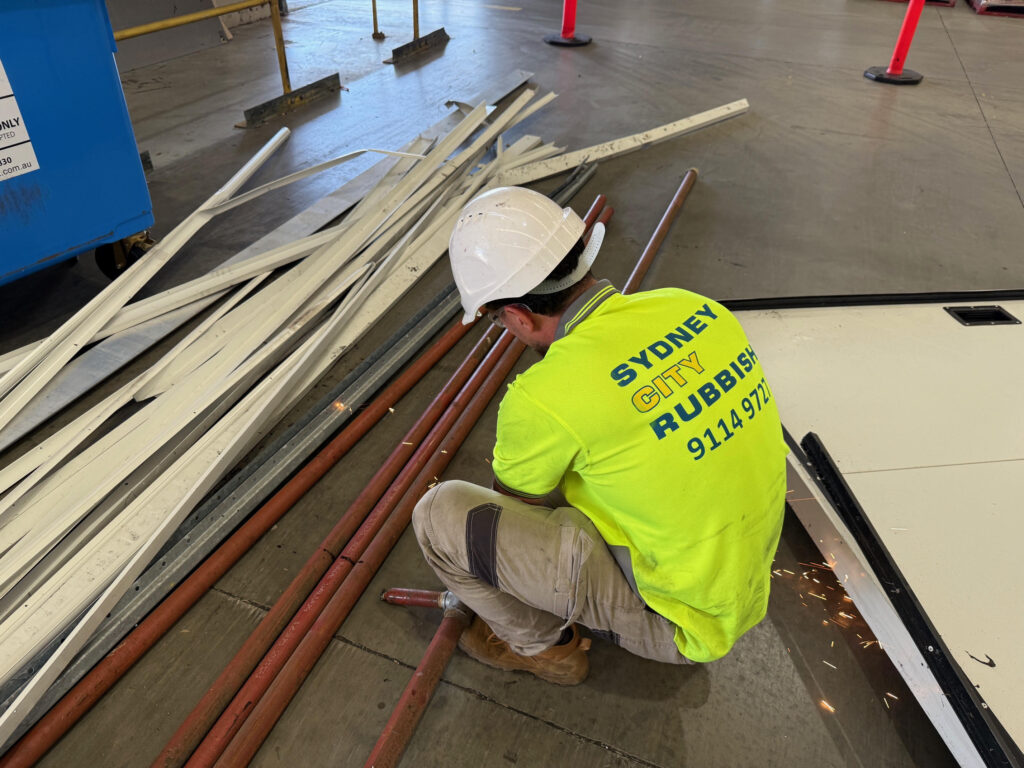
- Physical removal: Components such as ducts, pipes, sprinkler heads, sensors, and mountings are dismantled.
- Sorting and disposal: Materials are sorted for recycling, repurposing, or specialised disposal (e.g., chemical fire suppression units).
- Clean-up and reporting: Areas are cleaned, and compliance documentation can be provided as needed.
If you’re wondering how to remove a fire suppression system, the answer depends heavily on the type of system. For example, chemical-based systems require specialised handling and disposal, while water-based sprinkler systems may require capping and draining before physical removal.
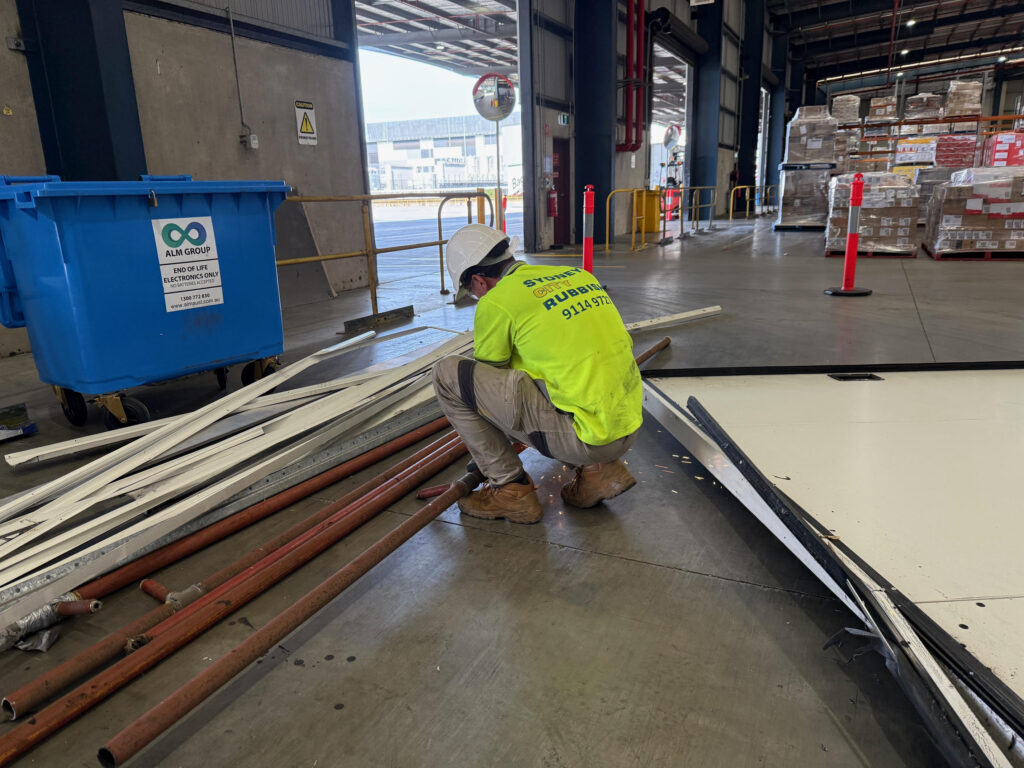
This is why the process can be tricky
Removing outdated systems isn’t always straightforward. Challenges may include:
- Hidden infrastructure: Ducts or piping may be concealed behind ceilings or inside wall cavities, requiring careful access.
- Shared services: Legacy systems often share wiring or control panels with active systems, making disconnection risky without a proper plan.
- Hazardous materials: Some older fire systems use agents like halon or other chemicals that require certified disposal.
- Compliance: Any removal must align with building codes, safety regulations, and insurance requirements.
Attempting to DIY or using an inexperienced contractor can lead to costly errors or unintended disruptions to your building’s operational systems.
The benefits of expert removal solutions
There are a number of significant benefits to hiring experts to remove your old fire suppression and mechanical systems. Really, it’s a no-brainer!
A safe approach
Safety is paramount when handling electrical, gas-connected, or ceiling-mounted infrastructure. Our trained team follows all relevant safety procedures, ensuring the removal of fire systems and mechanical service systems is carried out with care, precision, and regulatory compliance.
More efficient outcomes
We work around your operational schedule, avoiding disruption to business activities wherever possible. Our crews have experience working in office buildings, retail centres, and high-rise commercial spaces across Sydney, ensuring minimal downtime and maximum efficiency.
More space afterwards
Clearing out unused infrastructure often reveals valuable space. Whether it’s ceiling clearance, access to wall cavities, or room in a riser or plant area, removing outdated systems gives you room to install modern solutions or simply tidy up your premises.
Better energy efficiency
Redundant mechanical systems — especially ducting or blocked vents — can affect airflow, insulation, and energy usage. Their removal can result in better-performing HVAC systems and reduced energy costs over time.
Expert removal services with Sydney City Rubbish
At Sydney City Rubbish, we understand the unique challenges of commercial waste in Sydney’s CBD and inner suburbs. We offer end-to-end services for the removal of fire systems and removal of mechanical service systems, working with building managers, engineers, and contractors to ensure every job is done right.
Click here to speak to our team or get a free quote today.