Aluminium is one of the most sustainable materials in use today, and it is also one of the most recycled metals in the world. Aluminium can be found everywhere, including in drink cans and food packaging to window frames, office furniture, and construction materials. But how exactly is scrap aluminium turned into new products?
Sydney businesses should ask the question – how is aluminium recycled – because this can help make waste management decisions more sustainable and cost-effective. Understanding the process also highlights just how valuable aluminium can be when properly collected and recycled. At Sydney City Rubbish, we’re here to help!
Get a free quote for rubbish removal.
Is aluminium recyclable?
Yes, aluminium is 100% recyclable, and it can be recycled indefinitely without losing quality. Once aluminium is produced, it never needs to be discarded as waste. Whether it comes from beverage containers, office furniture, or building materials, aluminium retains its original properties after being melted down and reformed. This makes it one of the most environmentally friendly metals available.
When you arrange scrap aluminium collection in Sydney, you are contributing to a process that not only saves energy but also reduces the demand for new raw materials. This is why aluminium recycling has become a critical part of the city’s approach to waste reduction and sustainability.
Get fast scrap aluminium pickup in Sydney here.
Why is it so important to recycle scrap aluminium?
Producing aluminium from raw bauxite ore is extremely energy-intensive, requiring large amounts of electricity and significant mining operations. Recycling aluminium, on the other hand, uses up to 95% less energy. This dramatic reduction in energy use translates to lower carbon emissions and a smaller environmental footprint.
For businesses, aluminium recycling in Sydney can also bring financial benefits. Aluminium has a relatively high scrap value compared to other metals, which means that large-scale recycling efforts can help offset waste disposal costs. Keeping aluminium out of landfill also aligns with Sydney’s waste diversion targets and demonstrates a strong environmental commitment to clients and stakeholders.
What does the recycling process look like for aluminium?
The process of recycling aluminium in Sydney involves several key steps, each of which ensures the metal is recovered and prepared for reuse.
Pickup and collection
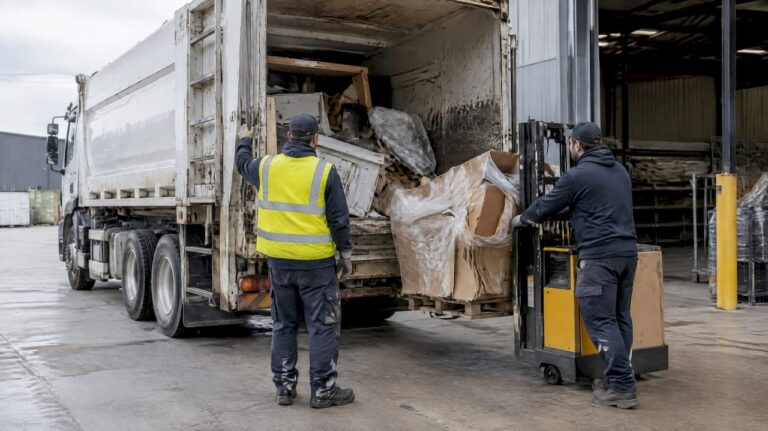
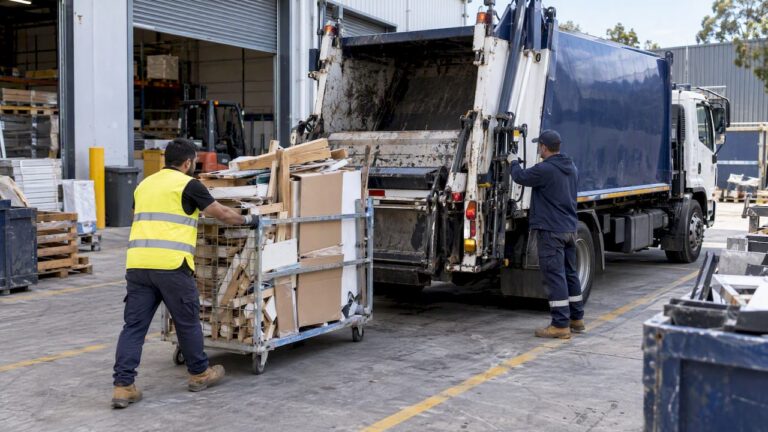
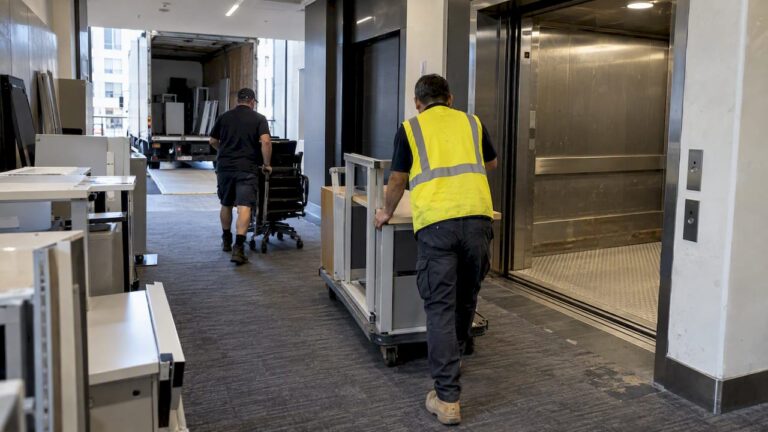
The process begins with scrap aluminium collection in Sydney. This can be from commercial offices, construction sites, manufacturing facilities, or retail operations. Sydney City Rubbish offers convenient pickup services for all types of aluminium scrap, whether it is old office fittings, production offcuts, or bulk packaging materials.
Sorting and separation
Once collected, aluminium is sorted from other metals and materials. Sorting can involve both manual inspection and automated processes using magnets, sensors, or air separation techniques. Removing contaminants is essential to maintaining the quality of the recycled aluminium.
Cleaning and preparation
Before melting, aluminium scrap is cleaned to remove paints, coatings, and any non-metallic residues. This preparation step improves the efficiency of the melting process and ensures the recycled product is as pure as possible.
Melting
Cleaned aluminium is then fed into a furnace and melted at around 660°C. Because aluminium has a relatively low melting point compared to other metals, this step is highly energy-efficient, particularly when using modern furnaces.
Casting and reuse
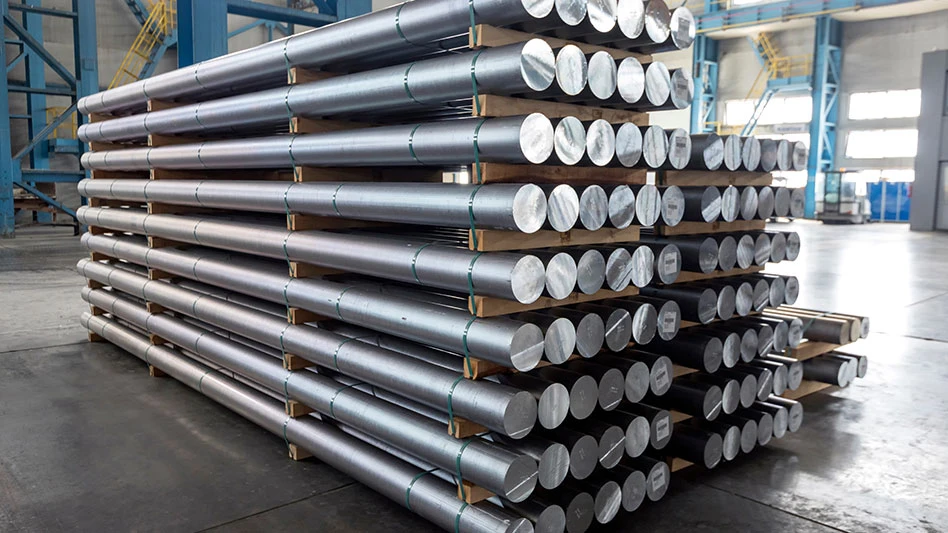
Once molten, the aluminium is poured into moulds to form ingots, sheets, or other shapes that can be used by manufacturers. These new aluminium products can then be turned into anything from new office furniture to automotive parts, construction materials, or packaging.
What is the recycling rate for aluminium in Australia?
Australia has a strong aluminium industry and an increasingly high rate of recycling, particularly for beverage cans. In recent years, the recycling rate for aluminium cans has exceeded 70%, but other aluminium products such as building materials and electronics still have room for improvement.
One of the challenges is that aluminium is often hidden in mixed waste streams, which means it is not always recovered. By arranging targeted scrap aluminium collection in Sydney, businesses can ensure this valuable material is diverted from landfill and re-entered into the production cycle.
The aluminium recycling price fluctuates depending on global demand, energy costs, and commodity markets. However, due to its high value compared to other metals, recycling aluminium is consistently worthwhile for both environmental and economic reasons.
Get a free quote now for scrap aluminium pickup
If you are wondering where to recycle aluminium in Sydney, Sydney City Rubbish provides a complete collection and recycling service for businesses across the CBD and surrounding areas. We handle everything from small office clear-outs to large-scale construction site collections.