When it comes to managing a commercial defit, we cannot emphasise enough how important commercial defit compliance and proper documentation are. At Sydney City Rubbish, we’ve managed countless office and commercial strip outs across Sydney. We’ve seen firsthand how poor record keeping or a lack of compliance certificates can create unnecessary delays, disputes and costs for tenants and landlords alike.
If you are preparing for a partial refurbishment or a full office defit, understanding your obligations and maintaining accurate records is critical. Get to know what commercial defit compliance involves, the key documents you need, common challenges you may face, and how we approach these tasks to ensure a smooth and professional strip out process.
Speak to the team at Sydney City Rubbish today.
What is commercial defit compliance and why it matters
Commercial defit compliance is essentially meeting all legal, safety, and lease obligations when removing internal fixtures, partitions, cabling, and equipment from a commercial space. It goes beyond simply clearing the office; it ensures that the work carried out aligns with building regulations, environmental standards, and the conditions outlined in your lease agreement.
Compliance matters for several reasons.
Firstly, failing to meet lease obligations can lead to financial penalties or disputes with landlords. Many commercial leases specify that tenants must return a property to its original condition, which often requires a combination of a full or partial office strip out, safe waste disposal, and verified documentation.
Secondly, compliance safeguards safety. Commercial spaces often contain electrical wiring, data cabling, suspended ceilings and other fixtures that, if removed incorrectly, could cause damage or pose a hazard. Ensuring office defit compliance minimises these risks.
Finally, proper compliance and documentation help with the handover process. Landlords and building managers are more likely to accept the completed strip out without dispute when all certificates and records are in place. It also helps tenants protect themselves in case of future questions about what work was done and how it was completed.
Understanding commercial strip out compliance requirements
When we start a commercial strip out project, one of the first things we focus on is understanding the specific commercial strip out compliance requirements for that building. Requirements can vary depending on lease terms, building management policies, and local regulations. Some of the key areas we consider include:
- Waste management and environmental compliance: All removed materials, especially hazardous or electronic waste, must be disposed of in accordance with environmental regulations. Proper certification may be required to confirm responsible disposal.
- Electrical and fire safety compliance: Removing data cabling, lighting, or electrical panels requires verified safety procedures. Certificates confirming that disconnections were done safely can be essential for compliance.
- Structural compliance: Some projects involve removing partitions, ceilings, or flooring that affect the structural integrity of the space. Ensuring these elements are dismantled according to approved standards is part of full commercial defit compliance.
Understanding these requirements upfront allows us to plan the project efficiently, avoid costly mistakes, and provide clients with peace of mind that everything is completed correctly.
The role of documentation in a commercial defit
Documentation is at the heart of commercial defit compliance. It serves as evidence that all works were carried out safely, legally, and in line with the lease obligations. From our perspective, having comprehensive records not only protects the tenant but also supports landlords and property managers by providing transparency and accountability.
Some of the reasons documentation is essential include:
- Proof of compliance: Certificates, permits, and signed records demonstrate that work has been done correctly and to the required standard.
- Legal protection: Should a dispute arise regarding the condition of the office at handover, proper documentation provides clear evidence of the work completed.
- Operational efficiency: Maintaining records helps us plan future projects more effectively, avoiding repeat mistakes or missed steps.
In short, documentation is not just bureaucracy; it is a critical part of a professional strip out that ensures safety, efficiency and legal certainty.
Key documents needed for office strip out documentation
There are several core documents we rely on during a strip out to ensure full office strip out documentation is in place. These include:
Waste disposal and recycling records
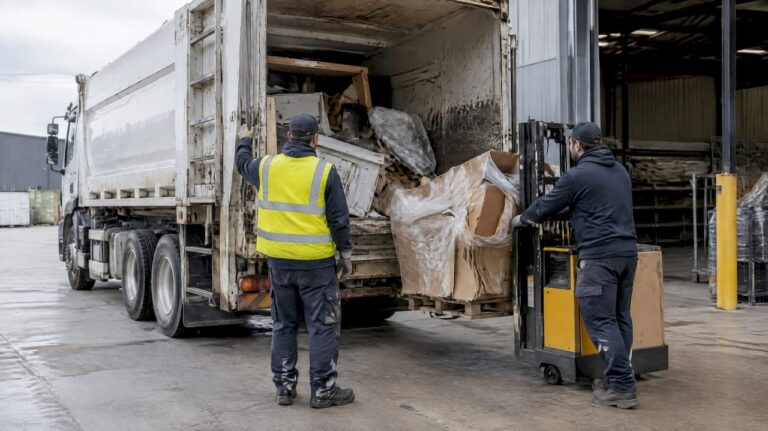
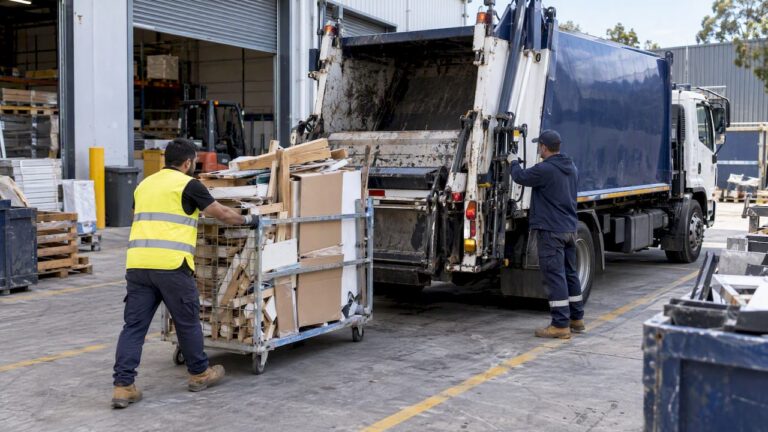
For any commercial defit, proper disposal of waste is mandatory. We always provide certificates and records showing that all materials were recycled, disposed of safely or sent to licensed facilities. This is particularly important for electronic waste, hazardous materials, or large volumes of cabling and furniture.
Electrical and fire safety certificates
Removing electrical or data cabling requires certified disconnections and safety checks. We ensure that all electrical work is documented with relevant certificates to demonstrate compliance with safety regulations.
Structural and fit out reports
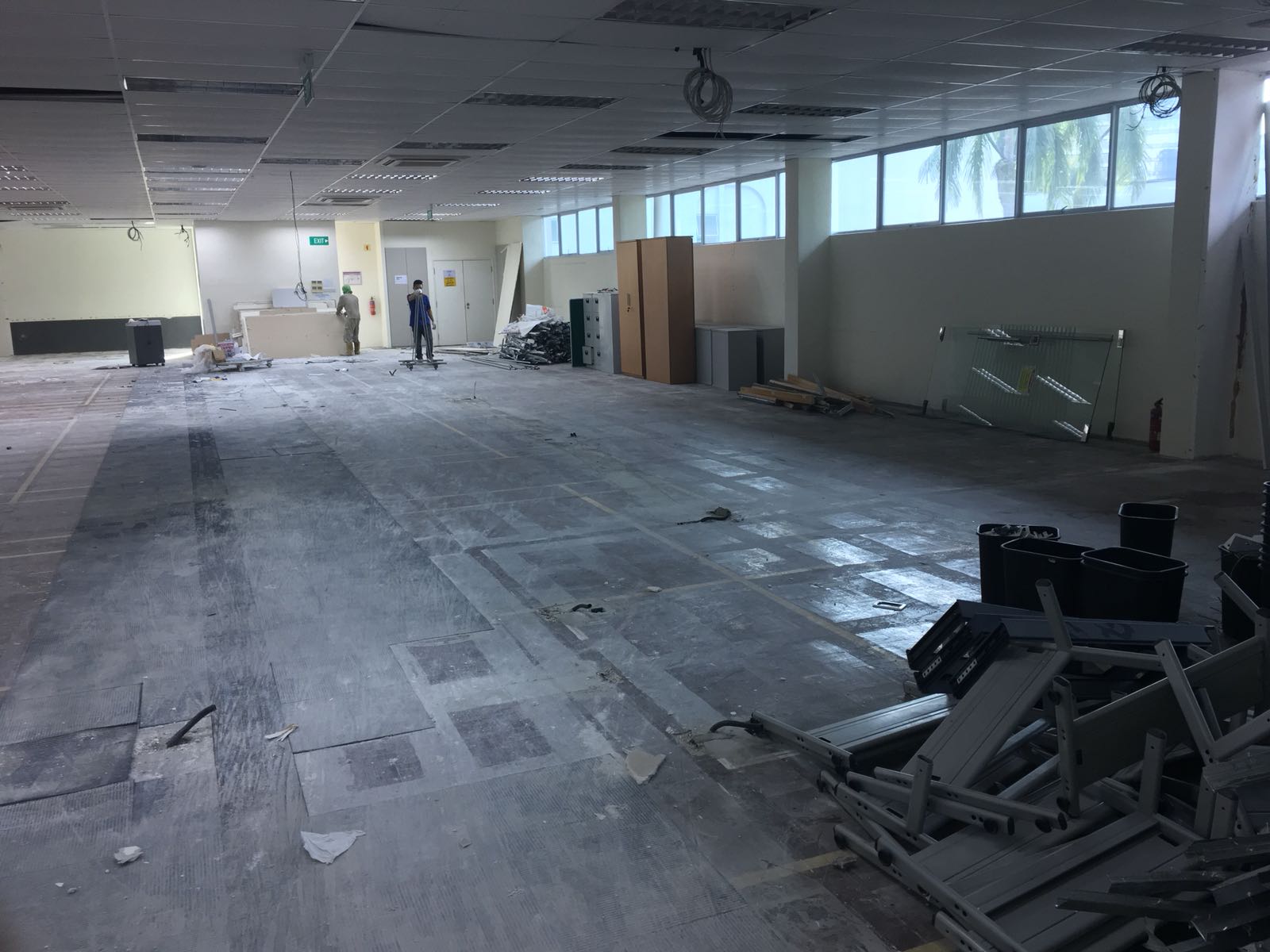
When partitions, ceilings, or other structural elements are removed, we document the condition of the space before and after the work. Photographs, reports and sign-offs ensure that landlords can verify the work was done according to lease requirements.
How to prepare and manage commercial defit documentation
Managing commercial defit documentation requires planning from the outset. Here’s how we approach it:
- Conduct a thorough assessment: We begin by reviewing the lease, building requirements, and the scope of the strip out. This allows us to identify all documentation that will be required.
- Create a documentation checklist: We maintain a checklist covering waste disposal, electrical and structural compliance, and any special requirements for the project.
- Collect and verify certificates: As work progresses, we gather certificates and approvals from subcontractors, electricians, and waste management facilities.
- Maintain records digitally and physically: All documentation is stored in a secure format that can be provided to the landlord or building manager at any time.
- Regularly update clients: Keeping tenants informed ensures they understand what compliance has been achieved and what certificates will be handed over upon completion.
Following these steps consistently ensures that office defit compliance is maintained from start to finish, reducing the risk of disputes or delays at handover.
Common compliance challenges and how to avoid them
Even with the best planning, there are some common issues that can arise during a commercial defit. Based on our experience, these include:
- Misunderstanding lease requirements: Tenants sometimes assume that only certain items need to be removed. We always recommend reviewing the lease carefully and consulting the landlord to confirm obligations.
- Incomplete or missing documentation: Failing to collect certificates for waste disposal or electrical work can cause problems at handover. We avoid this by keeping a centralised record of all documentation throughout the project.
- Uncoordinated trades: Multiple contractors working independently can lead to gaps in compliance. Coordinating all trades ensures that every step is documented and certified.
- Delays in obtaining approvals: Some projects require building manager or council sign-offs. We manage these approvals early to prevent delays from impacting timelines.
By anticipating these challenges, we can plan effectively and maintain commercial strip out compliance without unnecessary stress for our clients.
Sydney City Rubbish ensures commercial defit compliance
Commercial defits can be complex, but with the right planning, a focus on commercial defit compliance, and proper documentation, the process becomes straightforward and stress-free. Whether you are managing a partial office defit or a full commercial stripout, maintaining accurate records and certificates is essential for legal protection, safety, and smooth handover.
Book a call with our team to discuss your defit project in Sydney.