Commercial Fridge Disposal in Sydney: Rules and Safe Removal
By the Sydney City Rubbish team, 10 November 2026
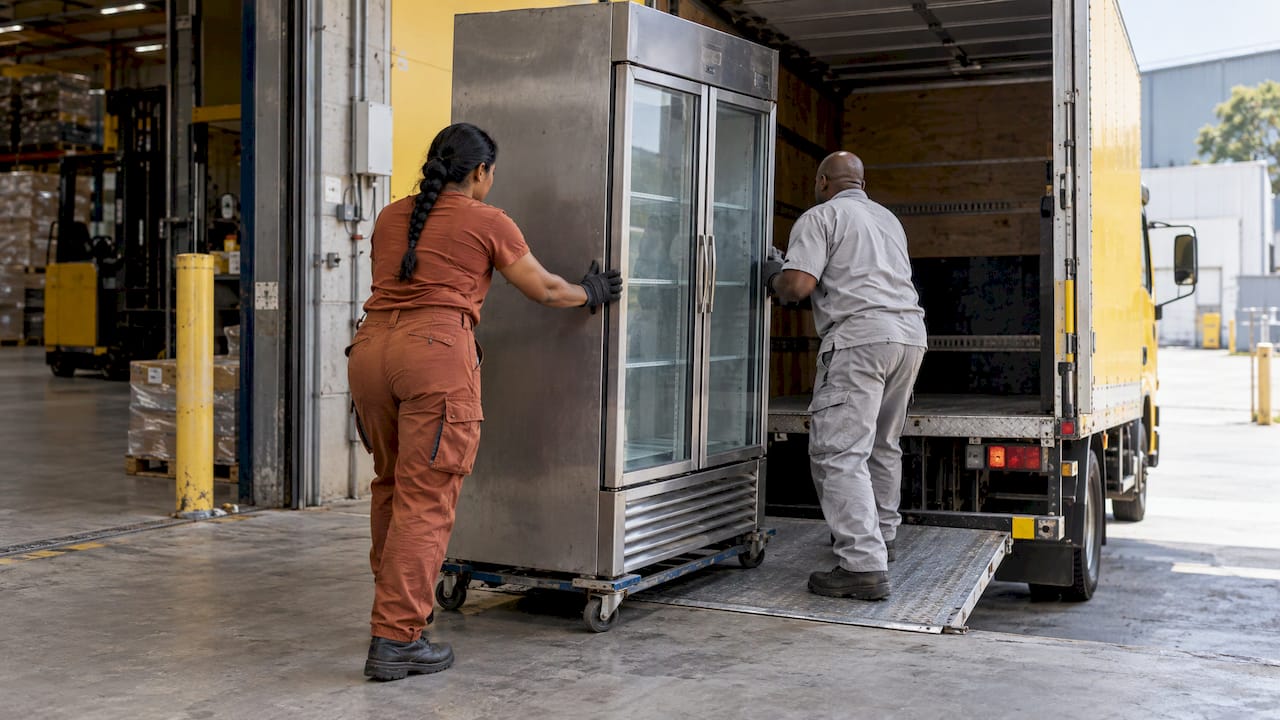
A commercial fridge can’t go out with general rubbish. Before it is recycled or scrapped, its refrigerant has to be recovered by appropriately licensed personnel, and the cabinet then needs to go to a facility that can legally accept it. For a Sydney business, the practical route is to book a commercial removal service that moves the unit out of your premises and sends it into a licensed recovery and recycling chain, then keep the paperwork that proves it happened.
This guide explains what the rules require, who is allowed to handle refrigerant, what to check before you book, and how removal works in an occupied office, retail tenancy, café kitchen or strata building.
TL;DR
- Refrigerant must be recovered before a commercial fridge is recycled or disposed of. Releasing it into the air is illegal.
- Only people holding the right Australian Refrigeration Council (ARC) licence may recover refrigerant from equipment being decommissioned.
- Both the owner of the waste and the transporter can be liable if waste goes to a place that can’t lawfully accept it, so keep records of every collection.
- Remove locks and doors, or make the cabinet safe, if a unit is left anywhere children could reach it.
- We remove commercial fridges across Sydney and send them to registered recycling partners. Request a free quote to book.
Table of Contents
- Why a commercial fridge is not ordinary waste
- Who is allowed to recover refrigerant
- What happens to the refrigerant afterwards
- Rules that apply to your business in Sydney
- Making a retired fridge safe while it waits
- How to choose a removal provider
- Common commercial fridge disposal scenarios
- How we handle commercial fridge removal
- A simple process to follow
- FAQ
- Sources
Why a commercial fridge is not ordinary waste
A fridge looks like scrap metal, but the sealed system inside holds refrigerant gas, along with compressor oil and insulation foam. Old and faulty units can still contain refrigerant even when they no longer run. If that gas escapes it can damage the ozone layer, contribute to global warming, or both, which is why a unit set out for council collection still needs its refrigerant recovered by a licensed technician.
The law is direct on this point. Under the Ozone Protection and Synthetic Greenhouse Gas Management Act 1989, releasing controlled refrigerant into the air is illegal and can carry penalties of up to $660,000 per offence, and refrigerant must be recovered before the fridge is recycled or disposed of.
For a business, that has a practical consequence. Cutting a cabinet up on site, dumping it in a skip or leaving it in a loading dock for a general scrap collector can all result in refrigerant being lost. The safest approach is to treat every commercial fridge, freezer, cool room panel set and display cabinet as a controlled item from the day it leaves service.
Who is allowed to recover refrigerant
Anyone who decommissions equipment that may contain scheduled refrigerant must hold an ARC refrigerant handling licence. The same applies to employees and contractors who recycle, dismantle or destroy such equipment at waste transfer stations, scrap metal and e-waste depots, and demolition sites. Where a person only needs to recover refrigerant, a Restricted Refrigerant Recoverer Licence exists for that purpose.
Two points matter for business owners:
- The ARC licence is the national licence for this work. It is qualifications-based and not approved on experience alone, and states don’t have a substitute for it.
- Only fluorocarbon-based refrigerants fall under the ARC scheme. Hydrocarbon refrigerants don’t need an ARC licence, but other licence requirements under work health and safety and dangerous goods rules may still apply.
That second point is relevant to modern equipment. Many newer display fridges and bottle coolers use hydrocarbon gas, which is flammable. Where the refrigerant is unknown or flammability is suspected, recovery equipment and procedures must be the same as those used for a flammable refrigerant. The ARC Refrigerant Handling Code of Practice 2025 adds that flammable refrigerants must be recovered with equipment rated for the right flammability grade, and in cylinders designed for that refrigerant. In plain terms, this is a job for trained people with the right gear, not for a maintenance team with a spanner.
If you want to check a business or technician yourself, the ARC “Look for the Tick” search can help you find an authorised business or licensed individual.
What happens to the refrigerant afterwards
Recovered refrigerant isn’t vented or reused casually. Unwanted scheduled refrigerant must be returned to a supplier or collection agent for safe disposal. The industry-funded stewardship scheme run by Refrigerant Reclaim Australia takes back and destroys these gases. According to ARC, more than 4,900 tonnes of used and unwanted refrigerant had been recovered, returned and destroyed through the scheme since 1993, a figure published in 2015, so the total today is higher.
For scrap metal operators and recyclers, there is also a financial incentive. A $3/kg rebate is available for scheduled refrigerant returned to wholesalers. That rebate sits with the licensed party doing the recovery, not with the business that owned the fridge, but it shows why a properly run recycler has a reason to do the job correctly.
Rules that apply to your business in Sydney
Your duty as the waste owner
In NSW, the owner of the waste and the transporter may both be guilty of an offence if waste is taken to a place that can’t lawfully be used as a waste facility. Penalties depend on the offence and can include large fines and jail sentences of several years. Handing a fridge to an unvetted “cash for scrap” operator, or to a one-person van with no recycling destination, shifts risk back onto you.
The NSW EPA’s waste regulation framework points the same way. Its tracking provisions place a duty on the consignor to ensure the transporter is licensed and the receiving facility is legally able to accept the waste, and they require copies of transport certificates and consignment authorisations to be kept for four years where they apply. Not every fridge job falls under formal tracking, but a four-year file is a sensible benchmark for your own records.
City of Sydney and illegal dumping
If your premises are in the City of Sydney area, businesses must arrange their own commercial waste collections and show the collection contract if asked. Waste left outside a bin is treated as illegal dumping. A retired fridge sitting on the footpath or in a laneway behind a shopfront is exactly that, and it also creates a safety problem, covered below. Business council rates in the City of Sydney don’t include waste and recycling services, so removal is something you contract directly.
Differences between states
If you run sites in more than one state, don’t assume the Sydney process travels. The refrigerant rules are national, but waste tracking, record-keeping periods and hydrocarbon licensing differ. Queensland, for instance, requires a licence under the Petroleum and Gas (Production and Safety) Act 2004 for work with hydrocarbon refrigerant, and South Australian producers not using an approved online system must keep transport certificates for at least 12 months. For each interstate site, check with the relevant state or territory agency.
Making a retired fridge safe while it waits
Commercial units often sit in a back dock, car park or storeroom for days or weeks between decommissioning and pickup. The ARC code states that all domestic and commercial refrigerator and freezer cabinets should have locks removed or rendered inoperative when taken out of service. Doors, drawers or lids should be removed or otherwise made safe where the unit is stored or left in any public place or anywhere children could have access.
For a retail centre, strata common area or shared loading dock, this is worth building into your process. Tape a door shut only as a short-term measure. A better approach is to move the unit inside a locked area and arrange removal quickly.
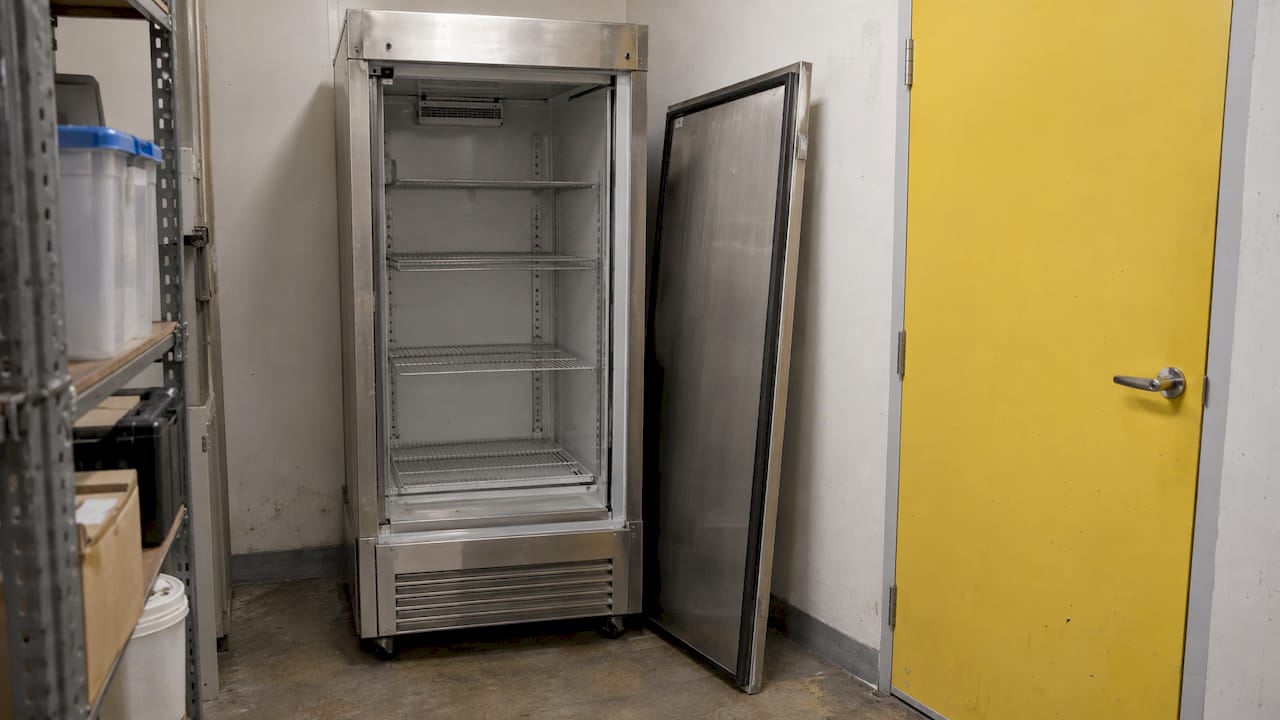
Before pickup, also empty the cabinet fully. Leftover food contaminates the unit, and recycling facilities typically refuse fridges that still contain food. Defrost and drain it, wipe it down, and leave the door propped or removed so it doesn’t smell by collection day.
How to choose a removal provider
A good provider answers these questions without hesitation, and you should be able to see the answers in writing on your quote or job confirmation.
Where does the fridge go? The provider should name the type of facility, such as a registered recycler or licensed scrap metal operator that handles refrigerant recovery by ARC-licensed personnel. A vague “we take it to the tip” is a warning sign given your own liability as the waste owner.
Who recovers the gas? Either the provider holds the licence or its recycling partner does. Either way, someone in the chain must hold the ARC licence, and you should be able to ask who.
How is access managed? Commercial fridges are rarely on the ground floor next to a driveway. They sit in basement kitchens, level 12 pantries and shopfront cool rooms. A provider who can coordinate with building management on lift bookings, loading dock times and induction requirements saves you a lot of back and forth.
What paperwork will you get? Ask for a job record or receipt showing the date, address, items removed and where they were taken.
How are environmental claims made? Be wary of vague green promises. Australian regulators treat unsubstantiated environmental claims seriously, and Australia’s greenwashing law and enforcement is worth understanding before you repeat a supplier’s claim in your own sustainability reporting. A provider should be able to say exactly what an offset or recycling claim covers.
Common commercial fridge disposal scenarios
Office kitchens and pantries
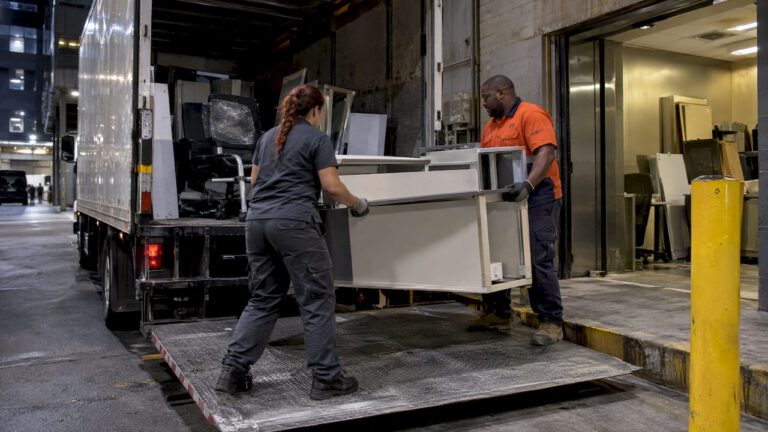
Office refrigerators are usually domestic-style units, but when a floor is refitted or a tenant leaves, a dozen can be removed in one go. These jobs tend to be combined with desks, workstations and e-waste, so a single truck and a single access booking is the efficient approach. Our office cleanout and junk removal service is designed for exactly this kind of mixed load.
Cafés, restaurants and retail
Upright display fridges, under-bench units, bar fridges and chest freezers are heavy, often built into joinery, and usually located behind narrow doors. Removal can require disconnecting from power or plumbing, dismantling joinery, and a two-person carry. Plan the pickup for a quiet trading period and confirm the loading zone arrangements for your street.
End-of-lease and makegood
Many leases require you to hand back the premises empty and reinstated. Any refrigeration you installed, from a kitchenette fridge to a cool room, needs to go before the final inspection. We handle this inside broader makegood and strip-out work, so fridges, fit-out and debris leave in one coordinated job.
Construction and strip-out sites
On demolition and refurbishment sites, fridges and air conditioning units turn up in tenancies that were abandoned or sublet. This is where recyclers and demolition operators need the refrigerant licence most, since the equipment is being dismantled as part of the job. Flag any refrigeration equipment to your contractor before the work begins so it is removed intact and not crushed in a bin.
Strata and property managers
Common-area fridges, abandoned tenant units and lobby cafés all fall to the building manager. Because waste left outside a bin counts as illegal dumping in the City of Sydney, it pays to have a standing arrangement for bulky items. Our bulk refuse collection for Sydney businesses page explains how recurring and one-off bulk pickups work.
How we handle commercial fridge removal
Sydney City Rubbish removes commercial fridges and freezers for offices, retail tenancies, construction sites, strata-managed buildings and end-of-lease cleanouts across Sydney, including the CBD, Parramatta, Ryde, North Sydney, Macquarie Park and Greater Western Sydney. Our approach is to send equipment to registered recycling partners so it is disposed of responsibly, and we coordinate directly with building management for access.
Our quoting is electronic and fast, and we guarantee punctuality, with compensation if we are late. For clients who want it, carbon-neutral removal is available as an opt-in. Fridge jobs are quoted per truckload or per project, and we don’t publish a fixed price because it depends on the number of units, floor level, access and what else is leaving the site.
If you are ready to book, see our commercial waste removal service and request a free quote. For a smaller job, the fridge removal page covers single units.
A simple process to follow
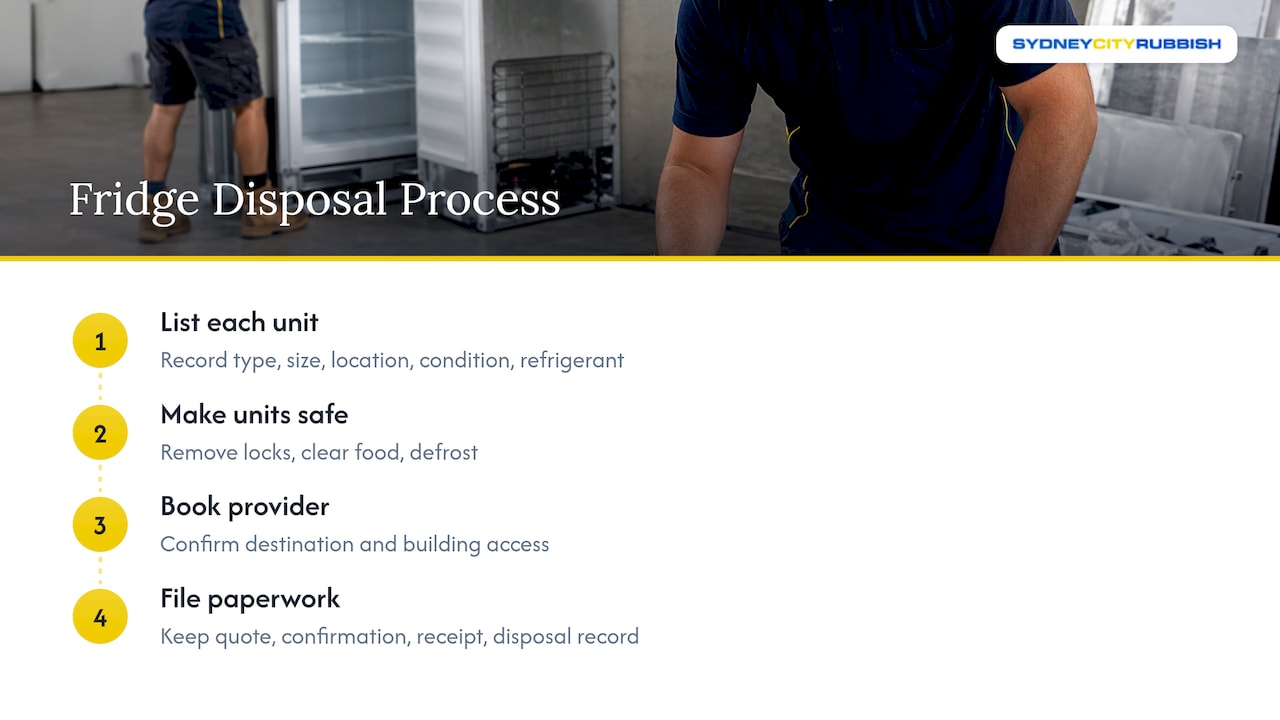
Start by listing every unit: type, size, location in the building and whether it is working. Note the refrigerant type if it is on the compliance plate, because that tells the recovery team whether the gas is flammable.
Next, make each unit safe and empty. Remove locks, clear food, defrost and, if the unit is going to wait, secure it indoors.
Then book a provider with a clear destination. Confirm access details with your building manager, including lift bookings, loading dock windows and any insurance certificates the building requires.
Finally, file the paperwork. Keep the quote, job confirmation and any receipt or disposal record together with your lease or asset register. If a regulator or landlord ever asks where the fridge went, you will have the answer in one folder.
FAQ
Can I put a commercial fridge in a skip bin?
Not safely. A fridge in a skip can have its refrigerant released when it is crushed or tipped, and releasing controlled refrigerant is illegal under the Ozone Protection and Synthetic Greenhouse Gas Management Act 1989. Many skip providers refuse fridges for this reason. Use a removal service that sends units to a licensed recovery chain.
Do I need a licence to dispose of my own commercial fridge?
You don’t need a licence to hire someone to remove it, but anyone who recovers the refrigerant needs an ARC licence. If you don’t hold one, you should not open or dismantle the refrigeration system yourself. Engage an ARC-licensed technician or a recycler that has one.
What records should I keep after a fridge is removed?
Keep your quote, booking confirmation and any receipt showing the date, address, items and destination. NSW tracking rules, where they apply, require transport certificates to be kept for four years, so holding your records for that long is a practical benchmark. If you operate in another state, check its own period.
Is a hydrocarbon fridge treated differently?
Yes. Hydrocarbon refrigerants are flammable, so recovery uses equipment and procedures rated for flammable gases. An ARC licence isn’t required for hydrocarbons, but work health and safety and dangerous goods requirements may apply. Tell your removal provider what is on the compliance plate.
Sources
- DCCEEW: Local government and recyclers, refrigerant recovery
- DCCEEW: Information for scrap metal operators
- ARC: Refrigerant Handling Code of Practice 2025
- ARC: Alternative Refrigerants FAQs
- ARC CoolChange: Have you got the right licences?
- National Training Register: UEERA0095 Recover refrigerant
- City of Newcastle: Bulk Waste Collection
- City of Sydney: Businesses and waste services
- Service NSW: Waste management for businesses
- NSW EPA: Regulatory Impact Statement, Waste Regulation 2014
- SA EPA: Waste tracking for waste producers
- City of Greater Geraldton: Recycling ABCs
- Elamine Lawyers: What is greenwashing