Avoid the Waste Levy: 2 Immediate Steps for Parramatta Business Waste
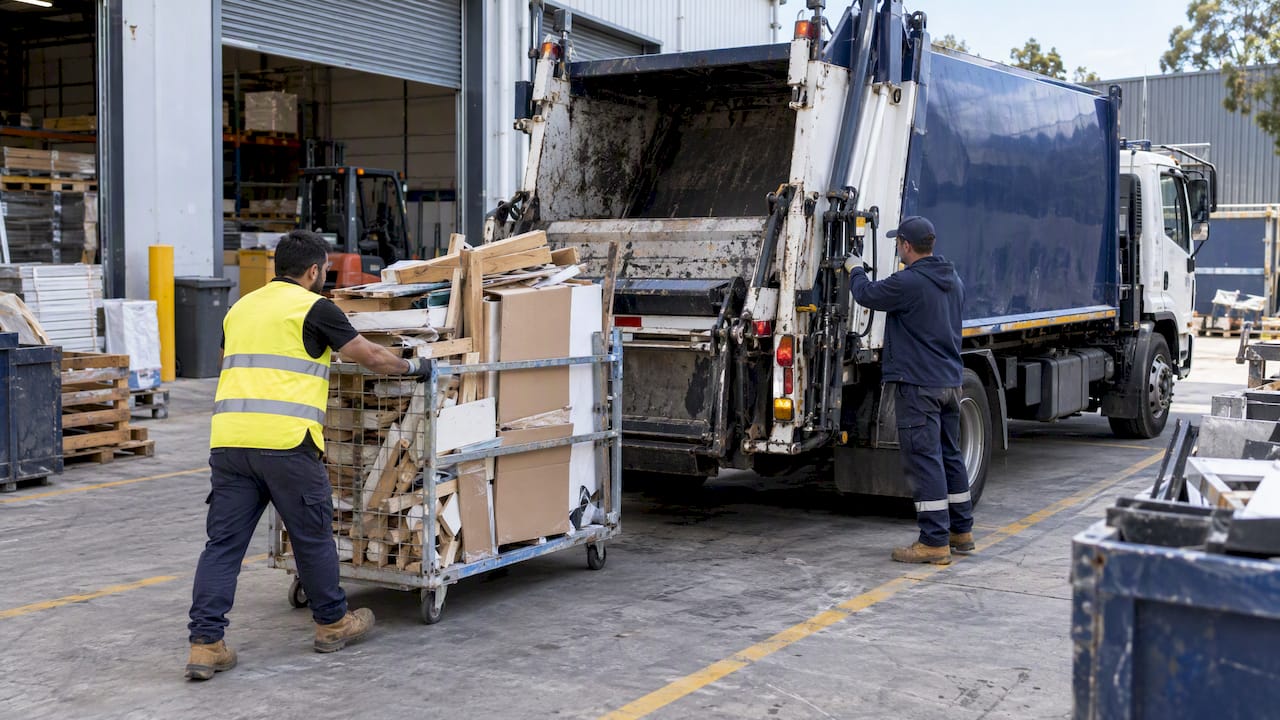
Parramatta businesses need to do two things now: register for commercial waste collection through City of Parramatta or contract a licensed private hauler, and separate food organics if your bin volumes fall within the staged FOGO mandate. Keep every disposal docket and weighbridge receipt. These two moves keep you compliant and cut your waste levy exposure from day one.
TL;DR:
- Businesses must track their waste volumes against FOGO thresholds and confirm their service options before making arrangements with council or private haulers.
- Separating food organics can significantly reduce landfill volumes and lower waste levies, often paying for the switch within a few months if properly implemented.
- Construction or demolition projects require a Waste Management Plan, including evidence like weighbridge receipts and environment protection licences, to ensure compliance.
- Reducing landfill waste volume through proper segregation and recycling is the most effective way to cut overall waste costs and avoid penalties.
- Choosing a reputable waste contractor involves verifying licenses, asking for proof of lawful disposal, and tying payments to receival docket submission.
Table of Contents
- Quick checklist: the practical steps to take this week
- City of Parramatta commercial waste services: forms, bin options and collection days
- FOGO and food-waste mandates: who’s in and when
- Construction and demolition waste: WMP basics for Parramatta projects
- Waste levy and cost control: five tactics to cut your bill
- How to vet and contract a private waste contractor
- Penalties and enforcement for non-compliance in Parramatta
- Support programs and grants for Parramatta waste reduction
- How Sydney City Rubbish helps Parramatta businesses manage waste
- FAQ
- Sources
Quick checklist: the practical steps to take this week
Before you touch a bin schedule or sign a contractor, work through these steps in order.
- Check your weekly bin volumes against the FOGO capture thresholds and note which staged deadline applies to your premises.
- If staying with council, complete the commercial waste service form and confirm your bin sizes and collection days.
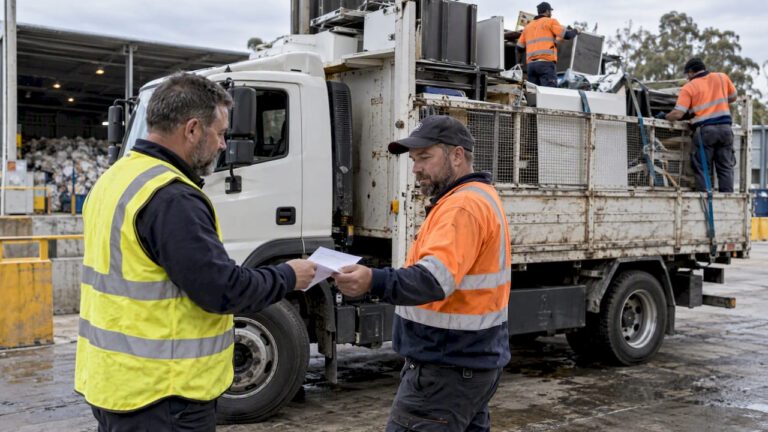
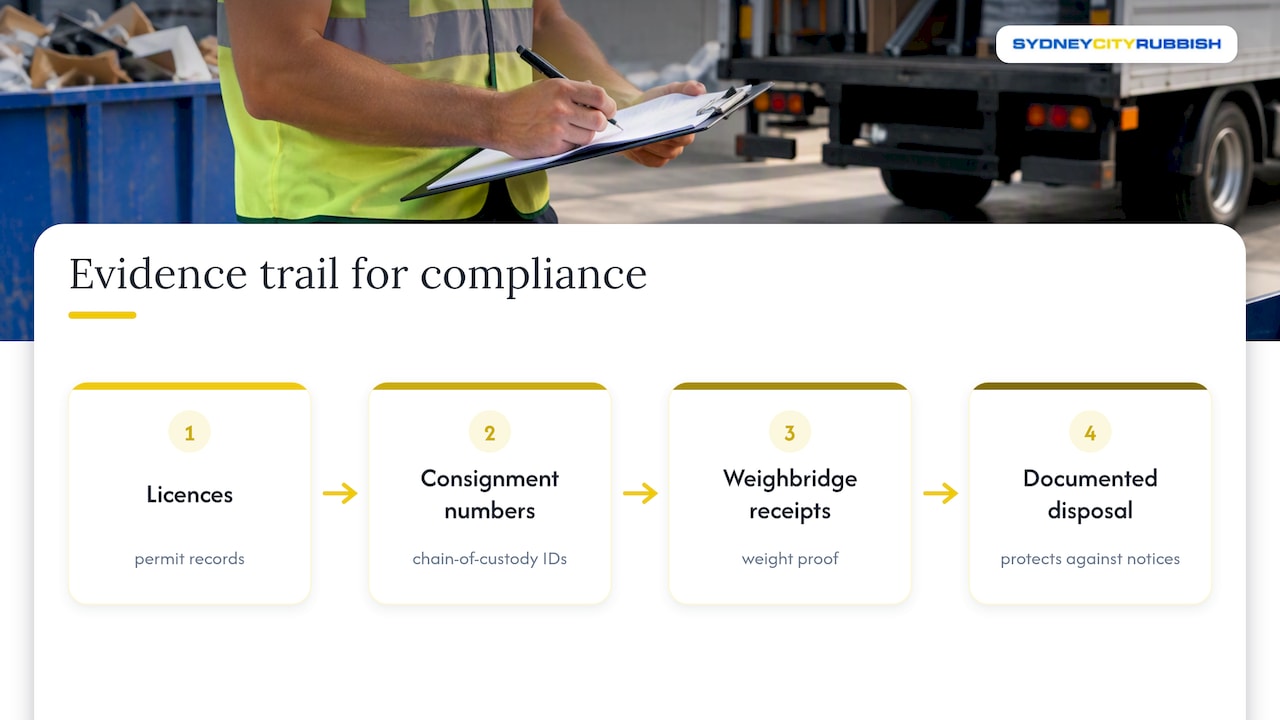
- If engaging a private contractor, request their ABN or ACN, the receival facility’s environment protection licence, consignment numbers and weighbridge receipts before any truck arrives.
- On site, set up labelled bins, kitchen caddies where food waste applies, clear signage and a collection cadence that matches your actual waste volumes.
Pro Tip: Photograph your bin area and docket folder each month. A simple paper trail is the fastest way to answer a council or EPA compliance query without scrambling.
City of Parramatta commercial waste services: forms, bin options and collection days
Most Parramatta businesses start with council collection because it is predictable and simple to budget for. City of Parramatta runs a dedicated commercial waste and recycling service, and businesses use the council’s commercial waste service form to request a new service, change bin sizes or cancel altogether, with current fees published alongside the form.
- The form covers general waste, recycling and, where applicable, food organics bins, with sizes typically ranging from small wheelie bins to larger bulk bins depending on premises type.
- Collection frequency is usually weekly, though busier sites such as cafes and restaurants can often arrange more frequent pickups.
- Council collection suits businesses with steady, predictable waste streams and a preference for one invoice and one point of contact.
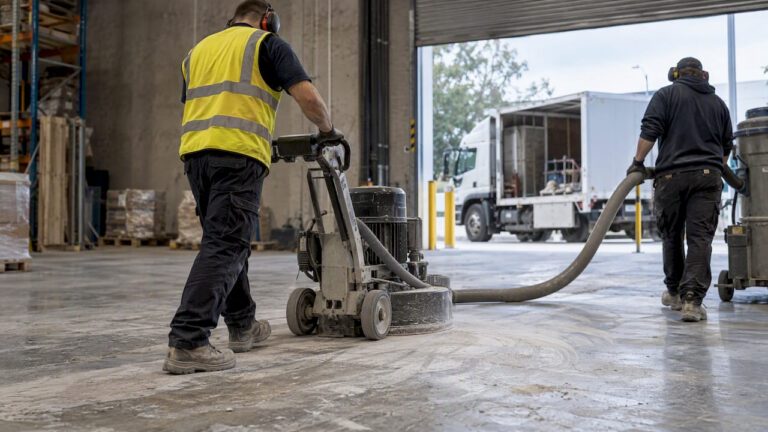
Construction sites, businesses generating irregular bulky waste, or sites needing same-day turnaround for a fit-out or stripout usually do better with a private contractor who can scale trucks to the job rather than wait on a fixed council schedule.
FOGO and food-waste mandates: who’s in and when
If your business sells or handles food, food organics separation is no longer optional. The NSW EPA’s business food waste mandate rolls out in stages from 1 July 2026, starting with the largest generators and based on weekly residual bin volumes.
- Supermarkets, restaurants, cafes, food courts and institutional kitchens are the clearest examples of premises captured early in the rollout.
- Your applicable start date depends on how much general waste your bins hold each week, so checking your current bin volume against the EPA’s thresholds is the first practical step.
- Internal caddies in food prep areas, clearly signed outdoor FOGO bins and a weekly or twice-weekly collection are the standard setup for a mid-sized food business.
- Staff training matters as much as equipment: a caddy nobody uses correctly just becomes contaminated general waste.
Separating food waste properly can shrink your landfill-bound volume enough to pay for the switch within a few months, because less waste going to landfill means less levy charged on your account, an outcome the EPA’s guidance frames as a direct operational saving. Whether you set this up through council or your existing contractor, confirm the new FOGO stream is reflected in your next invoice so you are not double-paying for general waste capacity you no longer need.
Construction and demolition waste: WMP basics for Parramatta projects
Any new build, major demolition or extensive earthworks in Parramatta will typically trigger a requirement for a Waste Management Plan as part of the development application. Council’s planning portal provides downloadable WMP templates that set out the expected format.
A compliant WMP generally needs to classify the waste types expected, estimate quantities, describe on-site storage and segregation, and name the receival sites the waste will go to. The NSW EPA’s construction and demolition waste toolkit sets out these components and recommends collecting evidence throughout the project, not just at planning stage.
- Request a copy of the receival facility’s environment protection licence before the first load leaves site.
- Keep weighbridge receipts for every load, matched against the trucking manifest.
- Record WasteLocate consignment numbers for any tracked waste streams.
- File transport logs showing the route from site to receival facility.
Pro Tip: Build these four documents into your contractor’s payment milestones. If a contractor cannot produce a receival docket, that payment waits.
This matters beyond paperwork tidiness. Under the Protection of the Environment Operations Act, liability for unlawfully dumped waste can attach to the waste owner, not just the transporter, which is exactly why procurement clauses tying payment to proof of lawful disposal are worth writing into every contract.
Waste levy and cost control: five tactics to cut your bill
The NSW waste levy is a per-tonne charge applied at licensed waste facilities within the metropolitan levy area, which includes Parramatta. The waste levy rate applies as a per-tonne charge and appears as a line item on your disposal dockets whether you deal with council or a private contractor.
Because the levy is charged on tonnes sent to landfill, reducing that tonnage is the single biggest lever on your waste budget.
- Segregate waste streams properly so recyclables and organics never ride along in the general waste bin by mistake.
- Reuse or recycle on site where practical, particularly timber, metal and cardboard from fit-outs.
- Where you use a private contractor, ask whether paying the receival facility directly on larger jobs reduces margin stacking.
- Divert food organics as soon as you are eligible, since organics processing is typically cheaper than landfill once the levy is factored in.
- Track every load against its docket so you can spot unexplained volume creep before it hits your invoice.
Once segregation and diversion are routine, many businesses find their levy-inclusive disposal costs drop noticeably simply because less material is landfill-bound in the first place.
How to vet and contract a private waste contractor
Choosing a contractor on price alone is how businesses end up exposed to unlawful dumping liability. Run through this before you sign anything.
- Request the transporter’s ABN or ACN and confirm it matches their invoicing details.
- Ask for the receival facility’s environment protection licence or relevant development consent.
- Confirm they will supply weighbridge receipts and, for tracked waste, WasteLocate consignment numbers.
- Check their insurance covers the work type, particularly for demolition or hazardous materials.
- Build a contract clause that ties final payment to proof of lawful disposal, with audit rights if you need to verify a claim later.
Pro Tip: A contractor who hesitates to provide a receival docket on request is telling you something important before you have paid them a cent.
Red flags worth taking seriously include cash-only pricing, no fixed business address, reluctance to name the receival site, or quotes that sit well below everyone else’s for the same volume and waste type. Reputable operators, including ourselves at Sydney City Rubbish, expect these questions and should answer them without friction.
Penalties and enforcement for non-compliance in Parramatta
Non-compliance with waste regulations in Parramatta carries real financial and legal exposure, not just a warning letter. The NSW EPA can issue penalty infringement notices, clean-up notices and prevention notices to businesses and individuals found dumping waste unlawfully or sending it to unlicensed receival sites, with the Protection of the Environment Operations Act allowing liability to extend to the party who generated or owned the waste, not only the transporter who moved it.
For construction and demolition projects, failing to follow an approved Waste Management Plan can also affect a development’s compliance certification, creating delays that cost far more than the waste disposal itself. Council can similarly act on businesses operating commercial premises without an appropriate waste service in place, since an unregistered or under-serviced site often results in waste accumulating illegally in laneways, loading docks or shared areas, which becomes a public health and amenity issue council is required to address.
The practical takeaway is that the paperwork trail discussed earlier, licences, consignment numbers, weighbridge receipts, is not bureaucratic overhead. It is the evidence that protects your business if a receival site or transporter turns out to be doing the wrong thing without your knowledge. Keeping that trail intact is far cheaper than contesting a notice after the fact.
Support programs and grants for Parramatta waste reduction
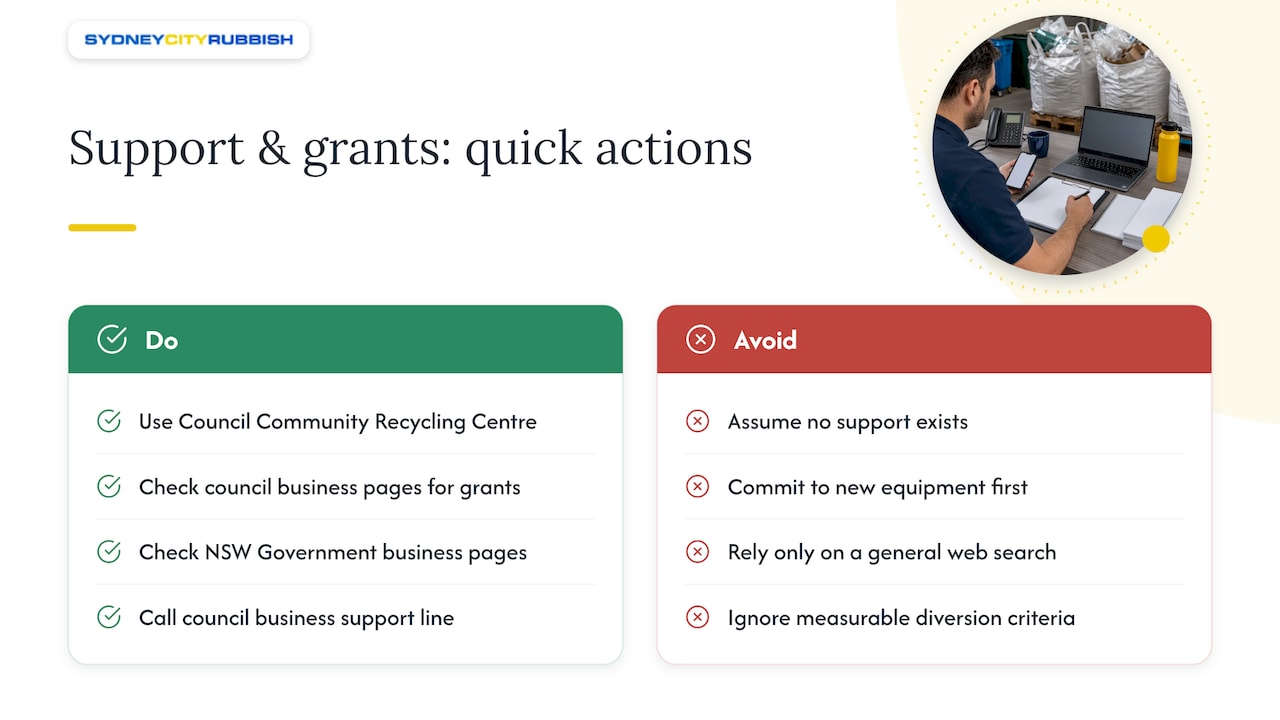
Businesses looking to reduce waste volumes and improve recycling outcomes in Parramatta have a few local resources worth checking before committing to new equipment or services. Council operates a Community Recycling Centre in North Parramatta, which accepts certain problem waste items that businesses can use for drop-offs outside standard commercial collection, including items that would otherwise need a specialised and more expensive disposal pathway.
Beyond council-run services, the broader push toward a circular economy in Australia means resource recovery infrastructure and support continues to expand nationally, with recent figures from the Australian Bureau of Statistics showing headline waste recovery sitting around 66% in 2022-23. That national trajectory shapes the kind of grant and support programs state and local government bodies tend to prioritise, generally favouring businesses that can demonstrate measurable diversion from landfill.
Before assuming no support exists for your business, it is worth checking current council and NSW Government business pages directly, since grant programs and eligibility criteria change from year to year and are usually time-limited. A quick call to council’s business support line alongside your commercial waste enquiry can surface options that are not always obvious from a general search.
How Sydney City Rubbish helps Parramatta businesses manage waste
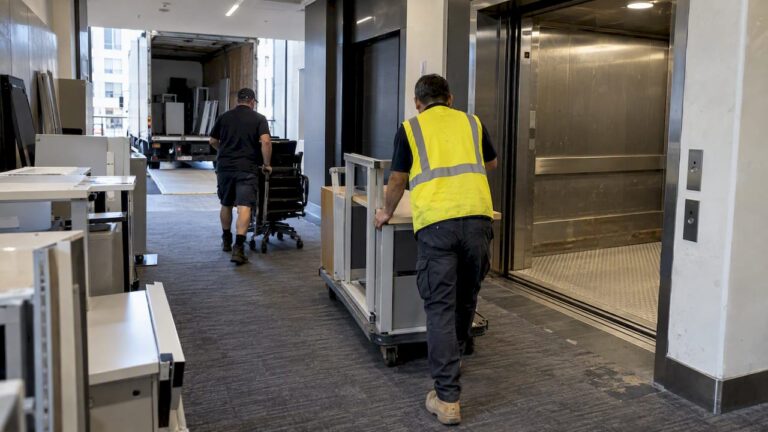
For businesses that need flexibility beyond a fixed council schedule, we provide commercial waste removal across Parramatta and wider Sydney, scaled to the job rather than a set bin size.
- We handle office cleanouts, retail waste, construction and demolition waste, building stripouts and bulky item removal.
- We coordinate directly with building and strata management to help ensure access and timing cause minimal disruption.
- We offer carbon-neutral disposal as an opt-in for clients who want support for sustainability reporting.
- We supply disposal dockets so you have the paperwork trail covered in this guide without chasing it yourself.
Getting a quote takes minutes through our what we do page, and for logistics support moving palletised commercial waste, Get It Picked is a useful partner resource. If your waste volumes are modest and steady, council’s own commercial service may still be the simpler and more cost-effective fit, and we would rather you choose what actually works for your site. When your needs are irregular, large-volume or time-pressured, book a quote with us and we will handle the rest.
FAQ
Who is the biggest waste management company in Australia?
Australia’s waste management sector includes several large national operators handling municipal and commercial contracts across multiple states. For Parramatta businesses, the more relevant question is usually which local or licensed provider can meet your specific site, volume and compliance needs rather than which company is largest nationally.
What is the biggest problem with waste management?
The most persistent challenge in waste management is diverting material away from landfill and into genuine reuse or recycling streams, rather than it ending up contaminated or unlawfully dumped. In Australia, this is reflected in ongoing national efforts to lift resource recovery rates, with the ABS reporting headline recovery around 66% in 2022-23.
How can I schedule rubbish collection from Parramatta City Council?
You schedule or amend commercial waste collection by completing the commercial waste service form on the City of Parramatta website, which covers new service requests, bin size changes and cancellations. The same page lists current fees so you can confirm costs before submitting your request.
Can Parramatta Council clean up a mattress?
City of Parramatta offers specific disposal pathways for bulky items like mattresses, generally through booked collections or drop-off at facilities such as the Community Recycling Centre in North Parramatta. Businesses with regular bulky item disposal needs, such as furniture replacement cycles, often find a private removalist more practical than booking individual council collections.