Audit Ready Fluorescent Tube Disposal for Sydney Businesses
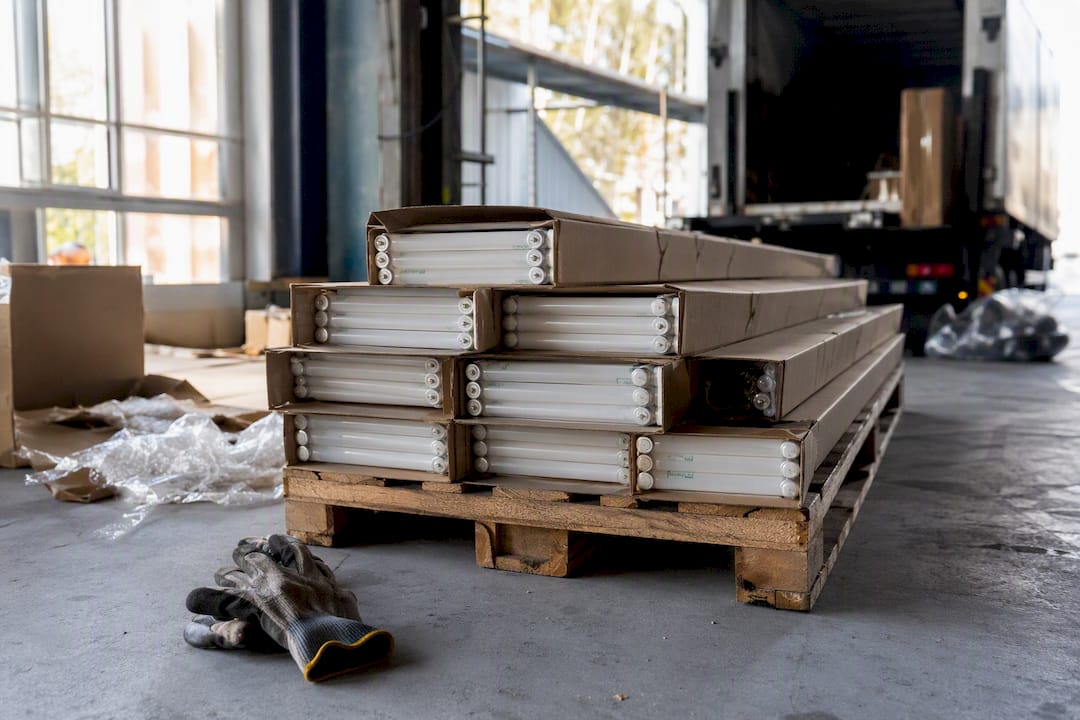
Hire a licensed hazardous-waste collector, such as Sydney City Rubbish, to remove and recycle your spent fluorescent tubes rather than binning them with general waste. Insist on three things from any contractor: proper licensing to handle mercury-containing lamps, secure transport with a consignment note or chain-of-custody record, and a recycling certificate confirming the tubes reached an EPA-approved processor. The detail on regulations, site prep, and choosing a contractor follows below.
TL;DR:
- Proper licensing, chain-of-custody documentation, and recycling certificates are essential to ensure fluorescent tubes are handled legally and safely.
- Segregating tubes from other waste and staging them properly before pickup reduces handling time and minimizes breakage risks.
- Transport must keep tubes intact using purpose-built containers, and waste codes must be referenced correctly on all paperwork for compliance.
- Only trained staff should remove and store tubes, with strict procedures for during and after removal to prevent mercury exposure.
- Cost varies depending on volume, site accessibility, and packaging quality, with faster, staged jobs generally offering lower prices.
Table of Contents
- Why fluorescent tubes count as hazardous waste in NSW
- How to choose a compliant fluorescent-tube disposal contractor in Sydney
- What licensed collection and transport actually involve
- On-site safety: who handles the tubes and how
- Preparing your site for a bulk fluorescent tube pickup
- What does fluorescent tube disposal cost in Sydney?
- How long does the process take, from booking to recycling?
- How Sydney City Rubbish handles fluorescent tube disposal for Sydney businesses
- Sources
Why fluorescent tubes count as hazardous waste in NSW
Every fluorescent tube contains mercury, a substance that stays hazardous long after the light stops working. Break one in an enclosed office or plant room and you release mercury vapour into a space people breathe in every day. Mercury is a persistent neurotoxin, and even a small release in a confined area carries real inhalation risk, which is why the substance is treated so cautiously across the entire chain of custody, from the moment a tube comes down off a ceiling to the point it’s processed at a licensed facility.
Regulatory guidance is unambiguous on this point: spent fluorescent tubes and CFLs must be segregated from general waste and sent to specialist recyclers. For a commercial office relamp or a strip-out generating hundreds of tubes, tipping them into a skip bin isn’t just risky; it’s a breach of the legal duty NSW places on waste generators. The NSW EPA regulates hazardous and liquid wastes and expects generators, transporters, and processors to work within licensing, storage, and transport rules, with some hazardous waste streams tracked through consignment notes.
Sitting alongside that regulatory framework is FluoroCycle, a national product stewardship scheme run through Lighting Council Australia. FluoroCycle approves collectors and gives businesses a formal way to demonstrate their lamp waste gets recycled rather than landfilled. Two commercial signatory tiers matter here:
- Type A signatories commit to recycling all mercury-containing lamps across every site they operate, which suits larger property portfolios and strata groups with ongoing relamping programs.
- Type B signatories commit to a more limited or staged recycling arrangement, often used by smaller operators building toward full coverage.
Knowing which tier your building falls under, or which tier your contractor services, gives you a clean answer when an auditor or head lessee asks how your fluorescent waste is managed.
How to choose a compliant fluorescent-tube disposal contractor in Sydney
Quotes for fluorescent tube disposal in Sydney can look similar on paper. The difference between a compliant job and a liability shows up in the paperwork, not the price. Before signing off on a supplier, run their offer against this checklist.
Credentials to verify:
- EPA licensing for hazardous waste, specifically covering mercury-containing lamp waste codes
- A named, licensed recycling partner they transport tubes to, not a vague “we handle it responsibly.”
- Evidence of WHS training for staff who physically remove and pack tubes
- Current public liability and transport insurance covering hazardous materials
Operational assurances to demand:
- A consignment note or equivalent chain-of-custody record for every collection
- A recycling certificate issued after processing, not just a collection receipt
- Confirmation that tubes are never crushed or broken on-site to save truck space
- Secure, upright transport in purpose-built lamp containers, not loose in the back of a ute
Commercial terms worth pinning down:
- A clear per-tube or per-truckload price, not a hidden call-out fee
- Flexibility to work after hours or on weekends, which matters for strata buildings and occupied offices
- A sample consignment note and recycling certificate you can review before the job is booked
Pro Tip: Ask to see a redacted consignment note from a previous job before you book. A contractor with nothing to show usually has nothing to show because the paperwork doesn’t exist.
Treat vague answers as a red flag. If a contractor can’t name their recycling partner, hesitates on WHS training records, or suggests general waste is fine for “just a few tubes,” walk away. Commercial volumes attract commercial scrutiny, and one non-compliant collection can land the liability back on the property manager who signed the job off.
What licensed collection and transport actually involve
A compliant job starts with the waste code, not the truck. Hazardous waste in NSW is tracked by classification, and mercury-containing lamps fall under specific waste codes that determine how they must be stored, transported, and reported. A licensed contractor references these codes on their paperwork automatically. If a quote makes no mention of waste classification at all, that’s usually a sign the operator isn’t set up to handle hazardous streams properly.
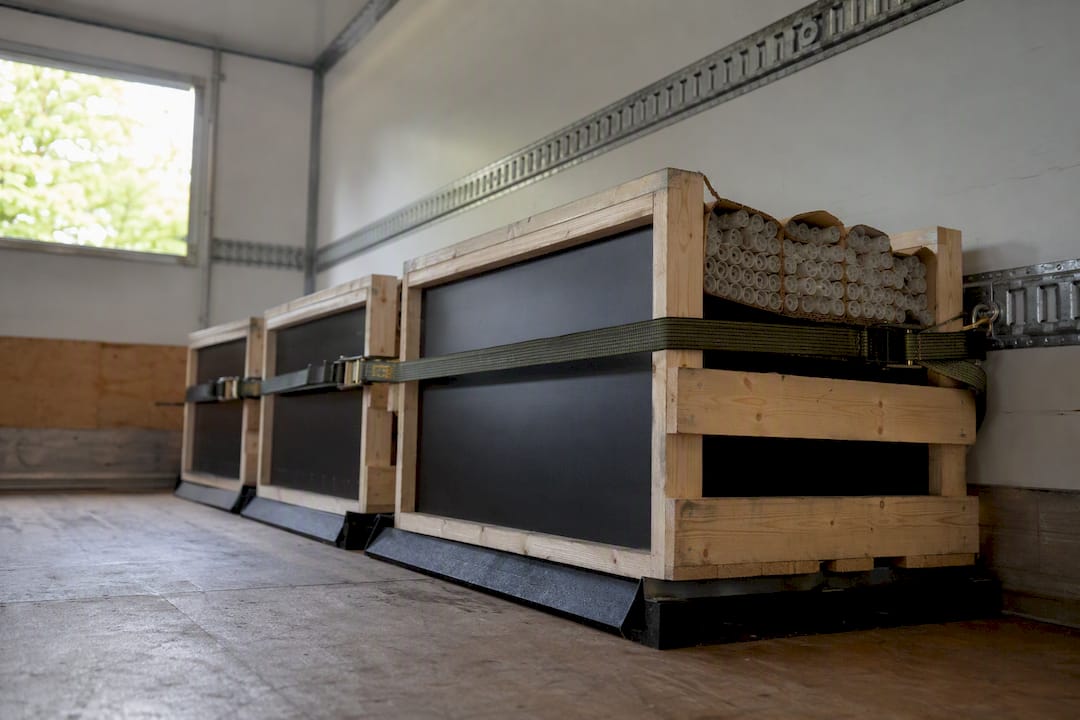
Transport itself has to keep the tubes intact from pickup to processing. Purpose-built crates or the original manufacturer packaging prevent breakage in transit, and vehicles carrying bulk lamp loads need to be secured against shifting, particularly on Sydney’s stop-start traffic corridors between sites like Parramatta, Macquarie Park, and the CBD.
The consignment note is the document that ties the whole job together. It records what left your site, when, who collected it, and where it’s headed. Specialist recyclers such as EcoCycle run controlled collection and negative-pressure processing systems specifically to contain mercury vapour during the breakdown stage, and they issue recycling certificates once the material has actually been recovered. That certificate, not the invoice, is the document your building manager or head contractor should file for audit purposes. Keep it. If NSW EPA or a WHS inspector ever asks how a site handled its lamp waste, that certificate is the answer.
On-site safety: who handles the tubes and how
Removal is not a job for whoever happens to be closest to a ladder. Facility guidance is clear that only trained maintenance staff or licensed contractors should remove fluorescent tubes, and tubes should never be broken deliberately to fit more into a bin or box. Untrained handling is where most preventable mercury exposure incidents happen, usually from a rushed removal rather than a genuine accident.
WHS guidance for hazardous chemicals in the workplace backs this up with specifics: written removal procedures, clear signage during the work, restricted access to the area while tubes are being taken down, and training records kept for every worker involved, as outlined in SafeWork NSW’s model code of practice. For a strata building or busy office, that usually means scheduling removal outside peak occupancy hours and taping off the immediate work zone.
Storage between removal and pickup matters just as much as the removal itself. Tubes need to go straight into dedicated lamp boxes or their original packaging, never loose in an open skip where a stray impact can shatter dozens at once. If a breakage does happen, the site needs a documented response procedure, not an improvised sweep and dustpan job, since disturbed mercury dust behaves differently to a solid, intact tube. Store the boxed tubes somewhere secure and out of general traffic until the contractor arrives, ideally a lockable plant room or loading dock area rather than a public corridor.
Preparing your site for a bulk fluorescent tube pickup
A well-prepared site turns a slow, expensive job into a fast one. Contractors price partly on how much handling they have to do once they arrive, so the groundwork you do beforehand has a direct effect on both cost and turnaround.
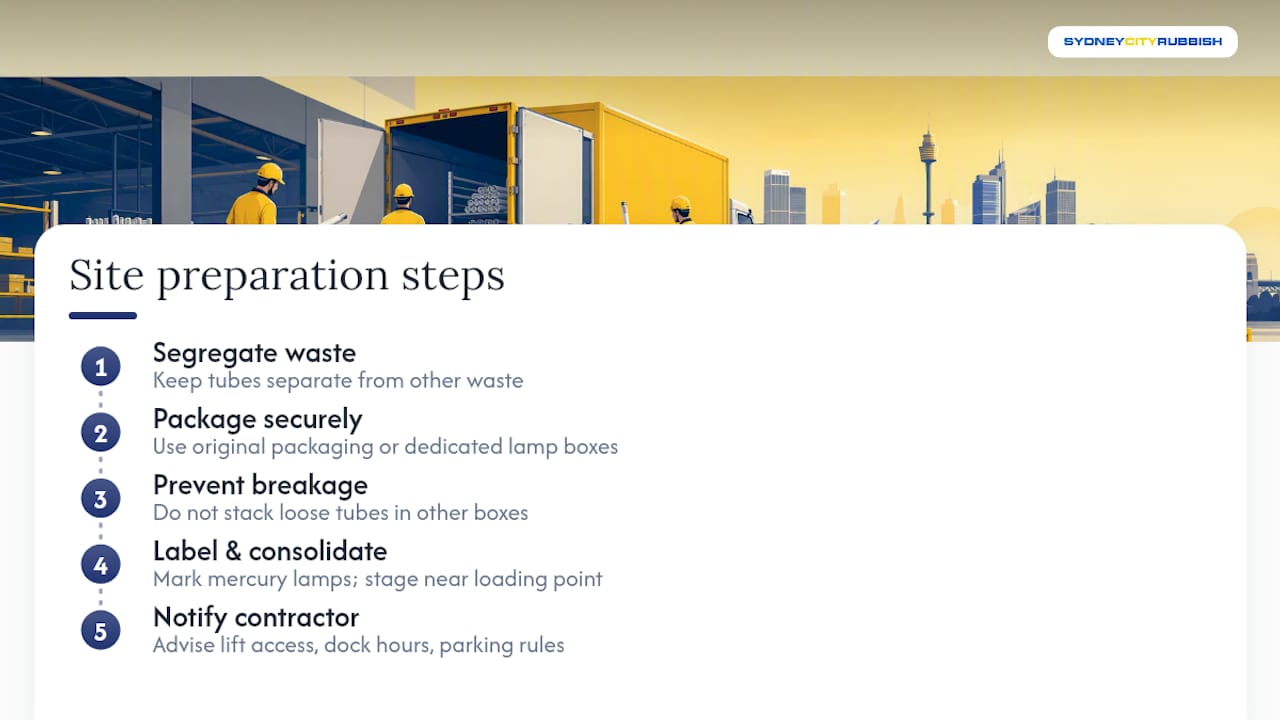
Segregation comes first. Keep fluorescent tubes entirely separate from other electronic waste, general office rubbish, or construction debris. Mixed loads slow down processing and can complicate the waste-code paperwork a licensed transporter needs to complete correctly.
Packaging is next. Standard practice is to keep spent lamps in their original manufacturer packaging where possible, or transfer them into dedicated lamp boxes designed to prevent breakage during handling and transport. Don’t stack loose tubes in a cardboard box meant for something else. It’s the single most common cause of on-site breakage before a contractor even arrives.
Labelling and access round out the preparation. Mark boxes clearly as containing fluorescent tubes or mercury-containing lamps, and consolidate them in one accessible location rather than scattered across multiple floors. For construction sites and larger office fit-outs, tell your contractor in advance about lift access, loading dock hours, and any council parking restrictions nearby, particularly in denser precincts like the Sydney CBD or North Sydney, where a truck sitting kerbside for an extra twenty minutes adds real cost. A contractor arriving to find everything boxed, labelled, and staged near the loading point can usually complete a bulk collection in a fraction of the time an unprepared site takes.
What does fluorescent tube disposal cost in Sydney?
Pricing for fluorescent tube disposal in Sydney is rarely a flat per-tube rate. Most licensed contractors quote based on volume, so a small office relamp of fifty tubes costs proportionally more per unit than a construction strip-out clearing several hundred at once. Economies of scale matter here in the same way they do for any bulk waste job.
Site accessibility changes the number too. A ground-floor retail space with a loading dock is a straightforward job. A high-rise office tower with lift bookings, security sign-in, and a walk from the nearest legal parking spot adds handling time, and handling time is what contractors are actually pricing. Jobs that need traffic control, a road closure permit, or after-hours access for a strata building typically carry a premium over a straightforward daytime pickup.
Whether the tubes arrive already boxed and staged also affects the quote. A site that’s done the packaging and segregation work in advance, as outlined in the site preparation section above, generally gets a faster, cheaper job than one where the contractor’s crew has to sort and box everything themselves before it can even be loaded.
Ask for a written scope alongside the price. A quote that separates collection, transport, and recycling processing costs is easier to compare against a competitor’s bundled figure, and it gives you a paper trail if the final invoice doesn’t match what was agreed.
How long does the process take, from booking to recycling?
Scheduling a licensed collection in Sydney is usually the fastest part of the process. Most commercial contractors can turn around a straightforward site visit within a few business days of a booking, though strata buildings needing after-hours or weekend access sometimes need a slightly longer lead time to coordinate building management sign-off.
The pickup itself, once a crew arrives at a prepared site, is typically a same-day job. Bulk office relamps or construction strip-outs with hundreds of tubes take longer purely because of the physical handling involved, not because of any regulatory delay.
Processing at the recycling facility is where the real timeline sits. Licensed recyclers batch mercury-containing lamps through negative-pressure separation systems before issuing a recycling certificate, and that step can take anywhere from days to a couple of weeks depending on the facility’s throughput and how the load was scheduled against other incoming waste. For audit purposes, what matters is that the certificate eventually lands in your files, not the exact date it was issued. Building that expectation into your contract upfront, rather than chasing paperwork after the fact, saves a lot of follow-up emails.
How Sydney City Rubbish handles fluorescent tube disposal for Sydney businesses
Sydney City Rubbish is the licensed alternative to sorting this out yourself, built specifically for the commercial and strata jobs where getting it wrong carries real regulatory risk. Its crews collect fluorescent tubes from offices, retail fitouts, construction sites, and strata-managed buildings across Sydney, with trained staff handling removal so tubes never get crushed or mishandled in transit. Every job comes with the paperwork that matters: consignment documentation and recycling certificates you can file for compliance, not just an invoice.
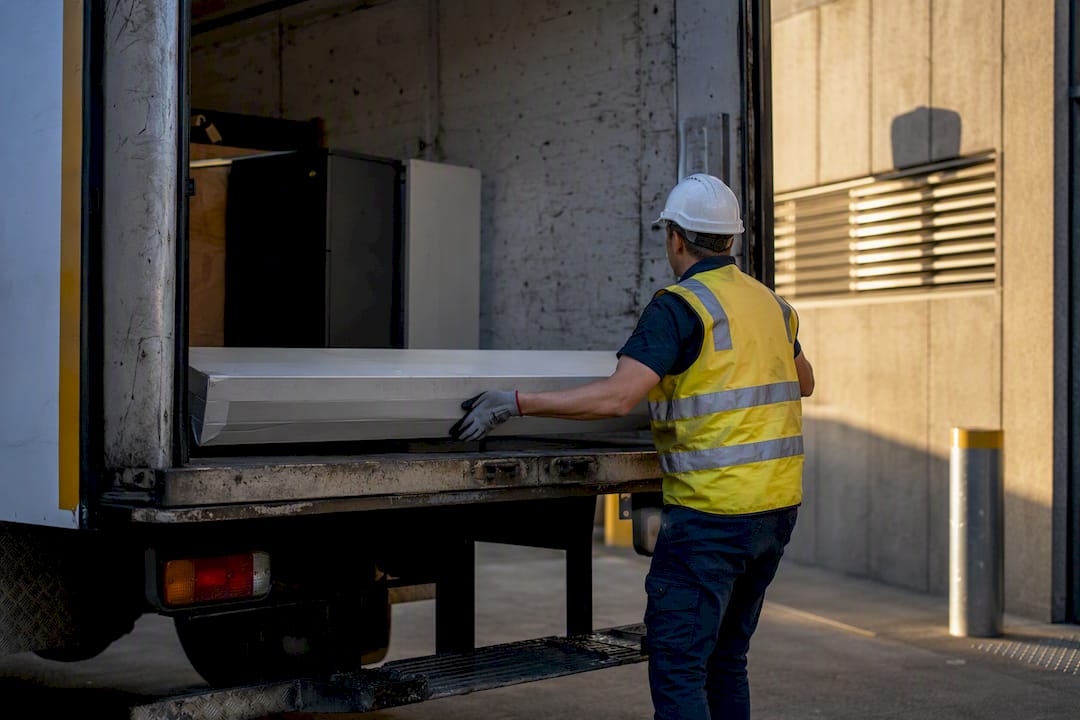
Before booking, have your tubes boxed and staged near a loading point if you can. It speeds the job and keeps the quote tighter. Typical work ranges from a routine bulk office relamp of a few hundred tubes to a full construction strip-out clearing lighting across an entire floor before demolition begins. Clients can also opt into carbon-neutral disposal through the Sydney City Rubbish partnership with Carbon Neutral, adding a sustainability angle to an already compliance-driven job.
Punctuality and a genuine clean-up guarantee back every job, so nothing gets left behind for building management to deal with afterwards. If your site has fluorescent tubes waiting on a compliant exit, get a quote from Sydney City Rubbish and get the job booked in.
This article is general information, not a substitute for advice from a qualified lawyer. Consult a qualified legal professional about your own circumstances before acting on anything here.